Swamp Antechinus and fire mosaics
Otways Landscape Programs > Heathlands > Swamp Antechinus and fire mosaics
Project Overview
The spatial distribution of swamp antechinus populations in the northwestern Otway is undocumented beyond historic records of presence obtained through camera and some isolated trapping surveys that provided coarse species abundance estimates within the Carlisle area of Great Otway National Park.
In addition, the reproductive strategy of the swamp antechinus is characterized by semelparity, synchronised breeding and male “die off, leaving populations vulnerable to environmental changes during this critical time. This vulnerability is pronounced in winter, when post-mating mortality removes all males and the population consists solely of parturient females.
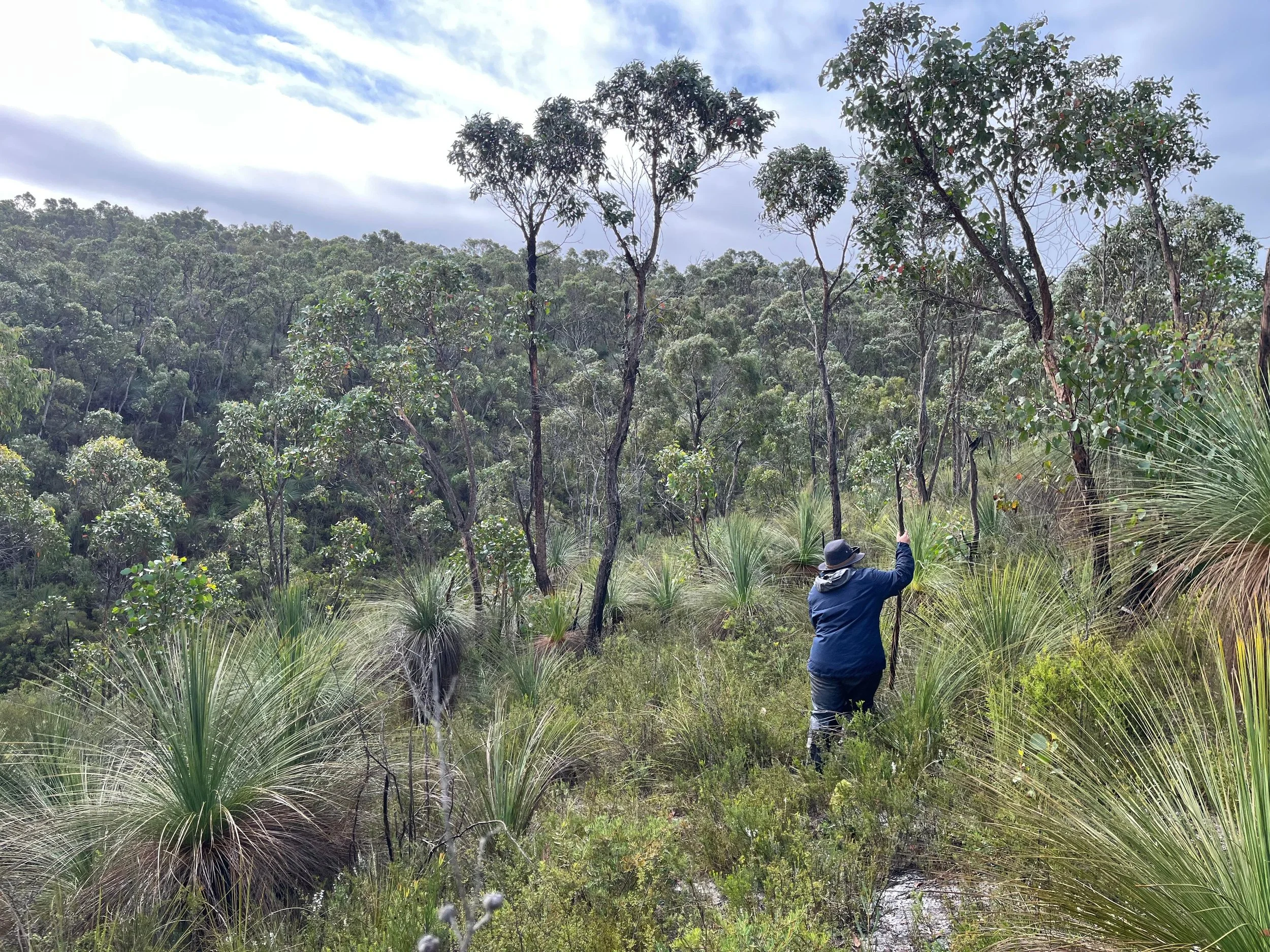
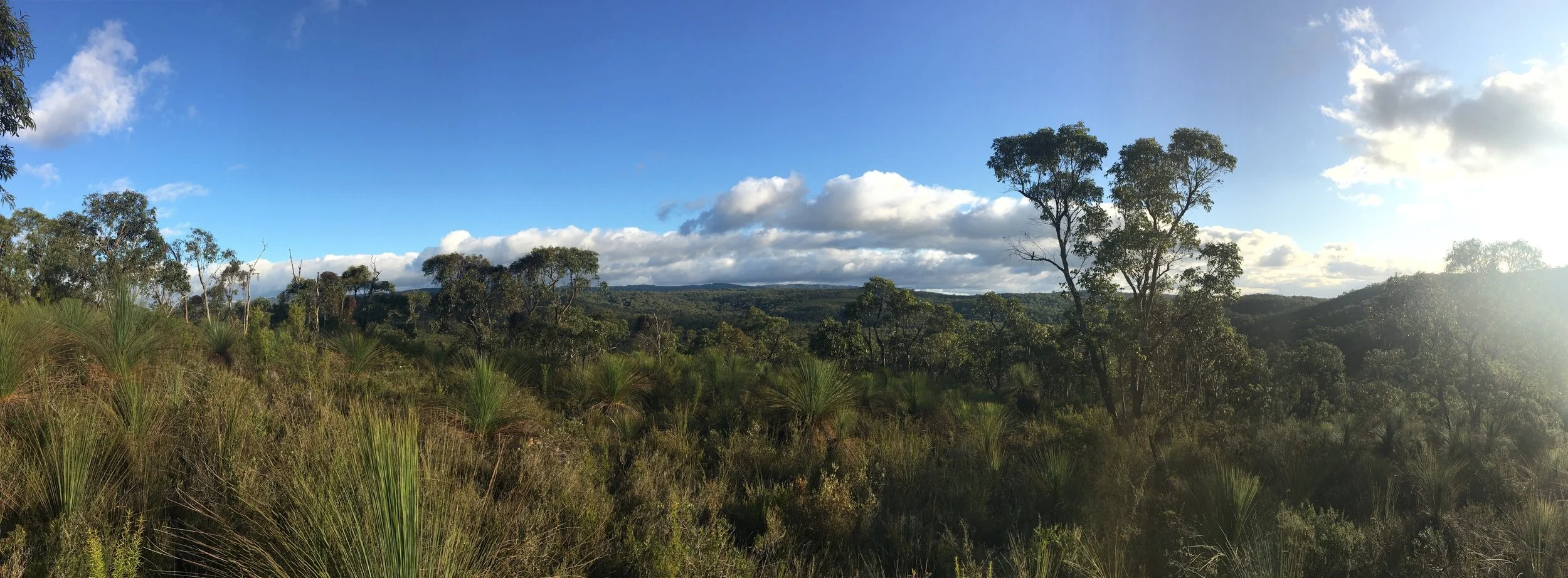
Recent shifts in fire-management practice by the fire management authority (Department of Energy, Environment and Climate Action) on the north-western Otway heathlands, emphasise mosaic, patchy and largely unbounded winter-season burns across the north-western heathlands.
This style of fire treatment may have potential to play a key role in heathland refuge conservation under future climate scenarios, predicted to result in increased frequency of wildfire. However, the consequences of such fire regimes on small mammals, particularly habitat specialists, such as the swamp antechinus, remain poorly understood.
This research is designed to provide the data that will eventually help guide future fire planning, currently focusing on:
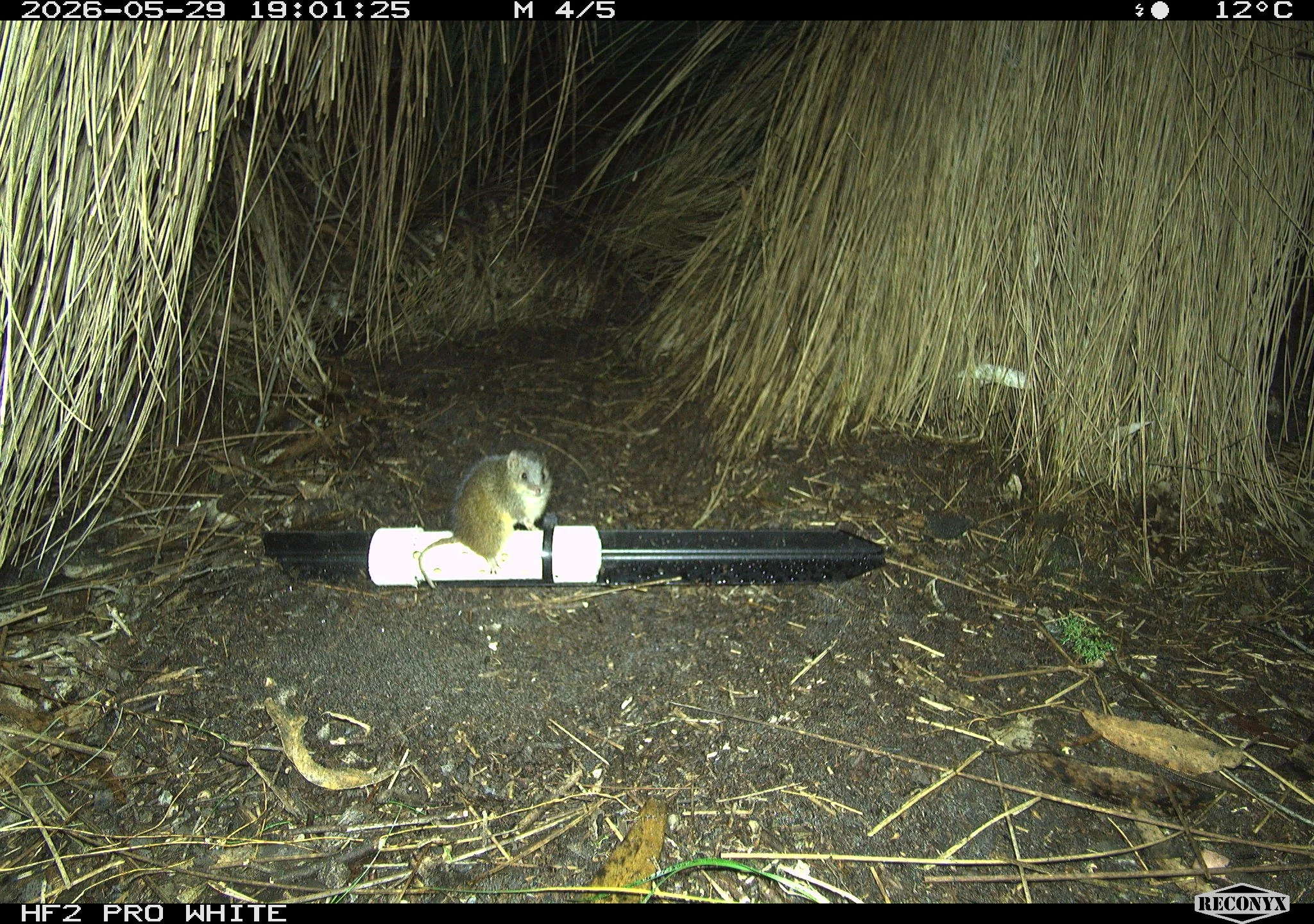
Understanding Current Distribution: Using remote detection cameras to determine where swamp antechinus occur across the north‑western Otway’s in landscapes shaped by different fire histories.
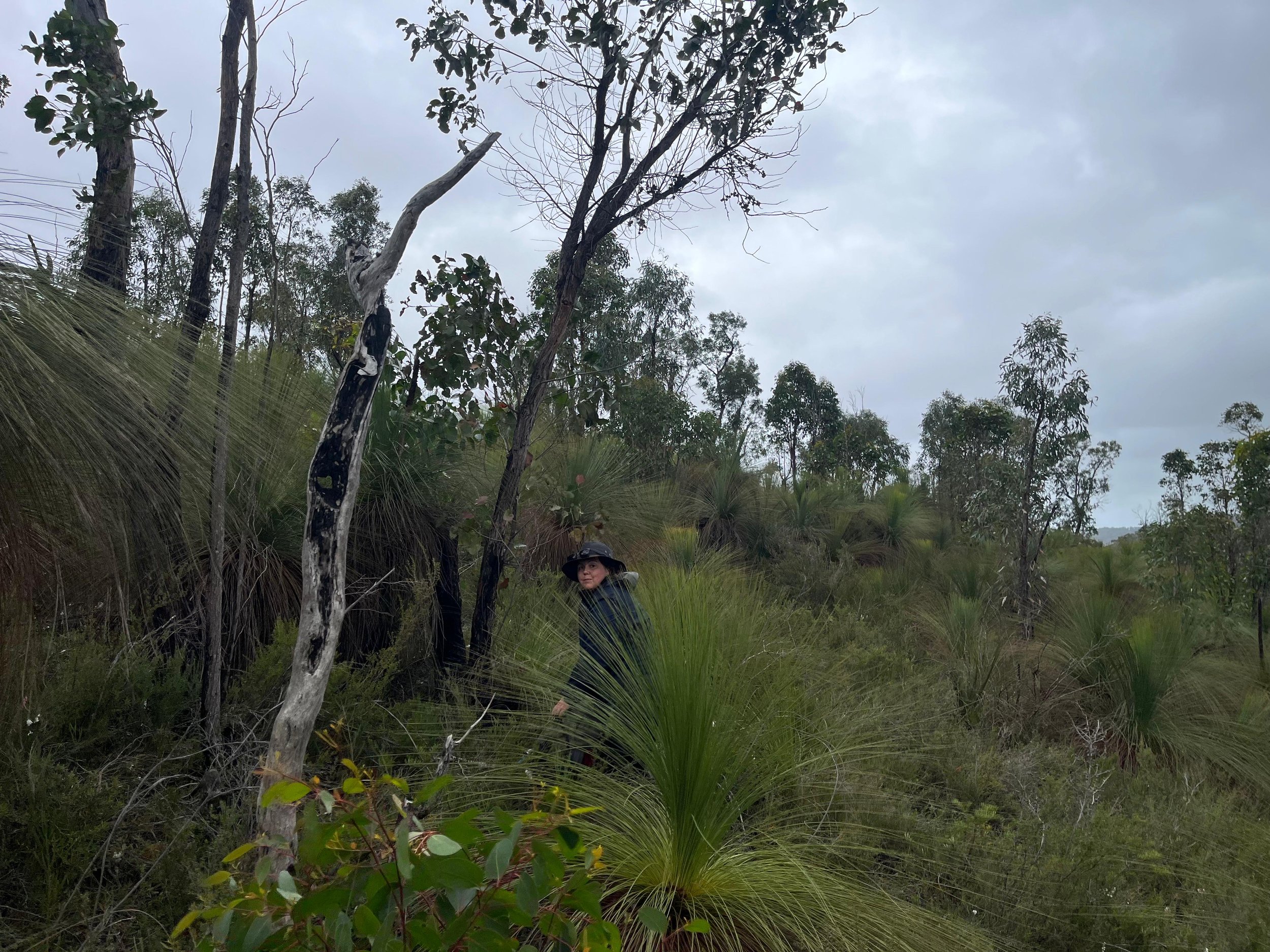
Identifying Habitat Requirements: This work will investigate the environmental variables that best explain swamp antechinus occurrence across the north‑western Otway’s, including gradients in time since fire, vegetation structure, Phytophthora impact, topography, and proximity to wet heath or riparian scrub vegetation- considered micro refuges for the species within the landscape.
Assessing Fire Fragmentation Effects: This work will examine how patchy burning influences swamp antechinus by creating small burnt patches within larger areas of otherwise continuous habitat, creating fragmentation that may alter how the species uses the landscape.
News
Videos
Current Distribution and Occupancy Predictors of the Swamp Antechinus in an Otways Heath and Woodland Complex
Jesse Ellis, Conservation Ecology Centre
Otways Ecological Research Forum 2026
Partners & Supporters
This work is being delivered in partnership with Federation University, the Department of Energy, Environment and Climate Action (DEECA), the Conservation Ecology Centre and Barbara Wilson Pty Ltd.