Mapping the Future for Swamp Antechinus in the Carlisle Heathlands
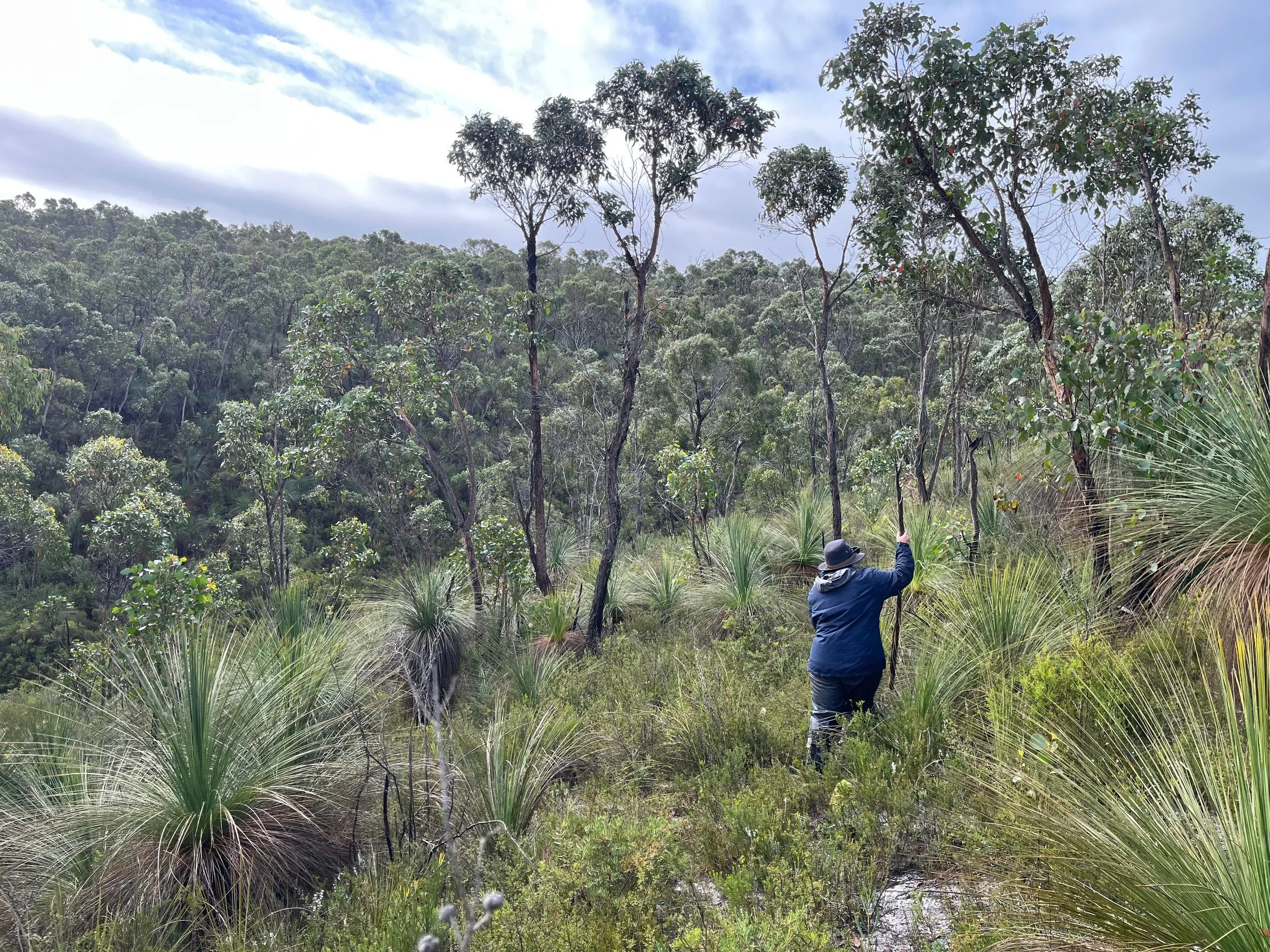
In the heathlands of the Otways, the high-stakes mating strategy of the threatened Swamp Antechinus (Antechinus minimus maritimus) is becoming an important focus for land managers as they look to undertake more "cool" planned burns in the winter.
Swamp Antechinus mating is tightly synchronised, occurring over just three weeks in winter, after which all males die.
From that moment, the fate of the entire population rests with the surviving females, who must carry and raise their litters through the harshest months until the young become independent. This makes the population incredibly vulnerable over winter, where the death of these ‘single mums’ could spell the end of the population.
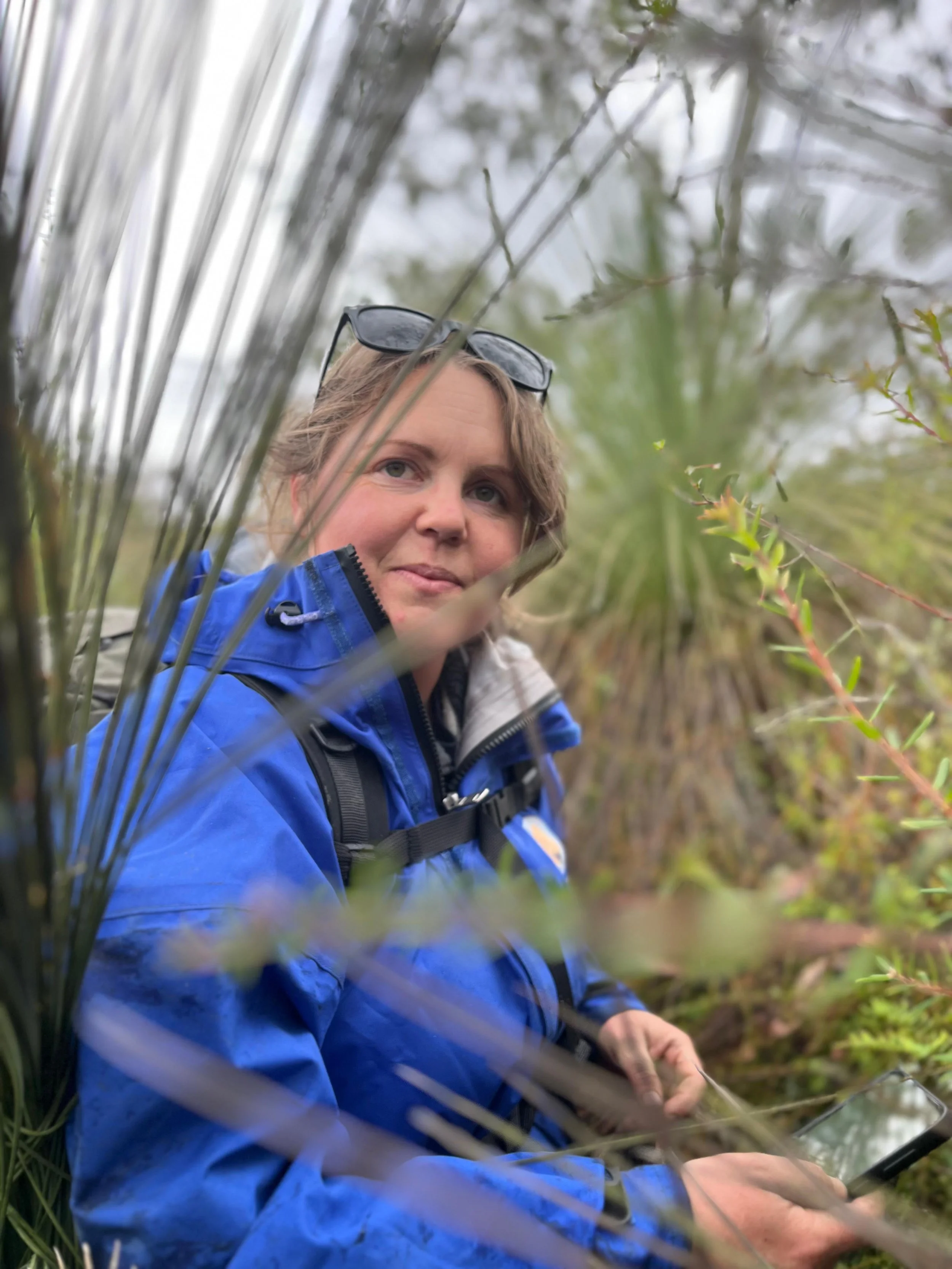
Master’s Student Jesse Ellis is working to fill some of the knowledge gaps between this unique biology and winter fire management, to understand how Swamp Antechinus can survive, and thrive, in a landscape managed by fire.
“While planned winter burns may be an important tool for fuel management and maintaining aspects of heathland structure, we still have much to learn about how these operations affect a species with habitat requirements as specific as the Swamp Antechinus,” says Jesse.
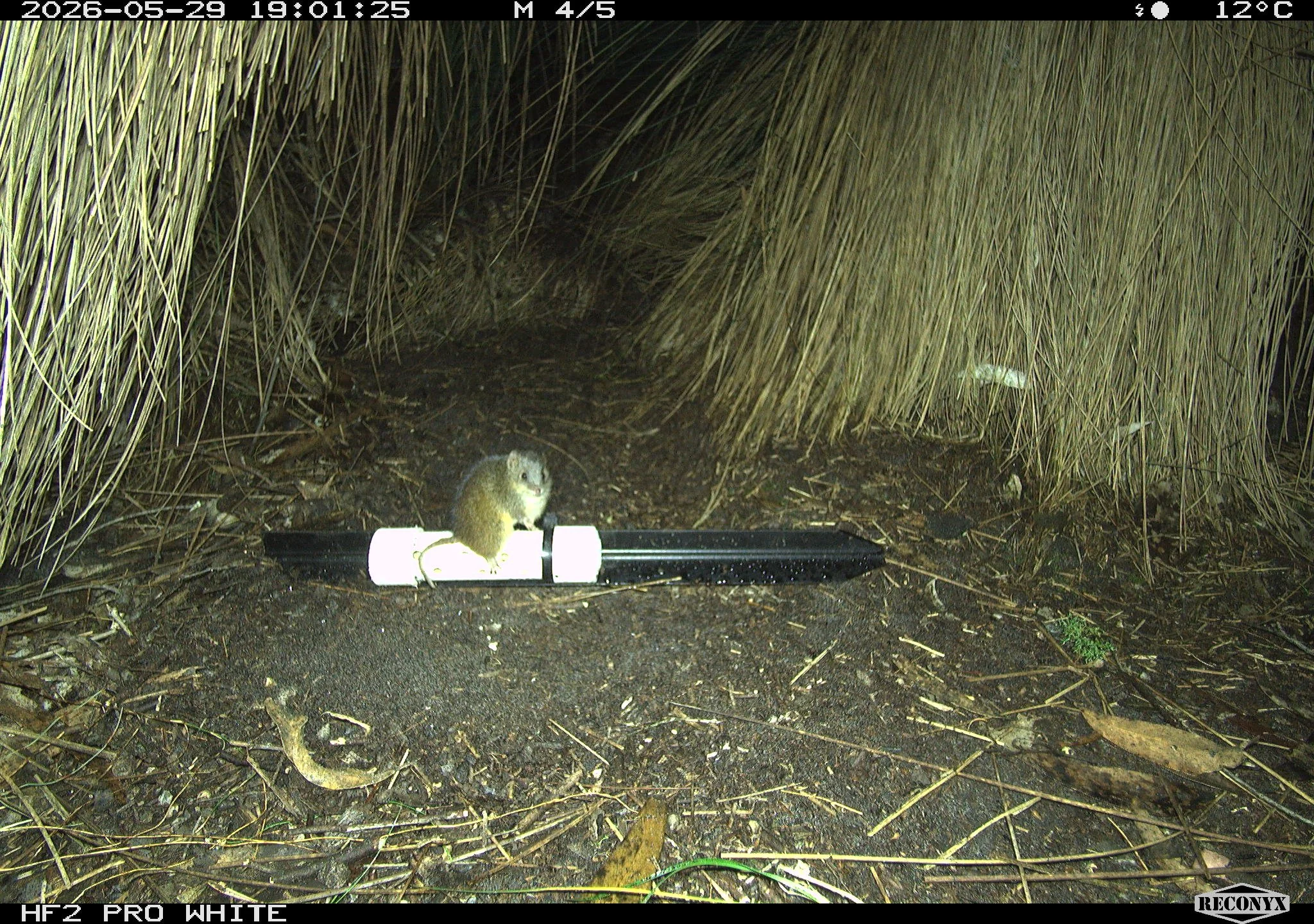
Over autumn, Jesse has been deploying remote detection cameras to determine where Swamp Antechinus occur across the north-western Otways. She’s looking not just at where they are found, but also the locations’ fire history, vegetation condition and topographic variables.
“We know the Swamp Antechinus inhabit the heathy woodlands of the north-western Otways, but we don’t yet have a good understanding of the extent they occur or conditions that best explain their occurrence in this landscape,” says Jesse.
“By finding out what factors make habitat suitable for this species, we’ll be in a better position to tell whether patchy fire might fragment their habitat in a way that is detrimental to their ability to live or breed in that location.”
Jesse’s work will complement other work being undertaken by the Conservation Ecology Centre in the Carlisle Heath: on the Long‑nosed Potoroo (found to depend on patchy, low‑intensity burns to avoid predators); the Ground Parrot (which prefers habitat dominated by button-grass and maintained by the right fire intervals); and now the Swamp Antechinus (which requires structurally complex vegetation and abundant invertebrates, both of which can be reduced by fire.)
These heathlands are habitat for a broad community of species, each responding differently to fire. Effective fire management requires an understanding of what each species needs to persist.
“The challenge is finding that ‘Goldilocks’ zone where fire supports the broader ecosystem,” says Jesse.
“By working to better understand the needs of all these species, we are building the foundation for a healthier, more resilient Otways. Every image we capture on camera brings us one step closer to providing the shared solutions needed to protect our unique wildlife for the long term.”
Jesse’s research is being undertaken in partnership with the Department of Energy, Environment and Climate Action (DEECA) the Conservation Ecology Centre, Barbara Wilson Pty Ltd, and Federation University, ensuring her work is informed by the best current knowledge and directly informs land management.
The work is being presented at the Otways Ecological Research Forum in Colac on Tuesday 25 August 2026.
For interviews or more information contact: Toni Stevens, Conservation Ecology Centre on 0401763130 or toni@conservationeoclogycentre.org.