Will you help the Carlisle Heath recover from the 2026 bushfires?
The CEC is an ACNC-registered charity and all donations over $2 are tax deductible.
The flames have subsided from January’s fires, but the recovery is only just beginning. Your donation today funds the science and stewardship needed to bring the Carlisle Heathlands back to life.
Can you help us heal the heathlands?
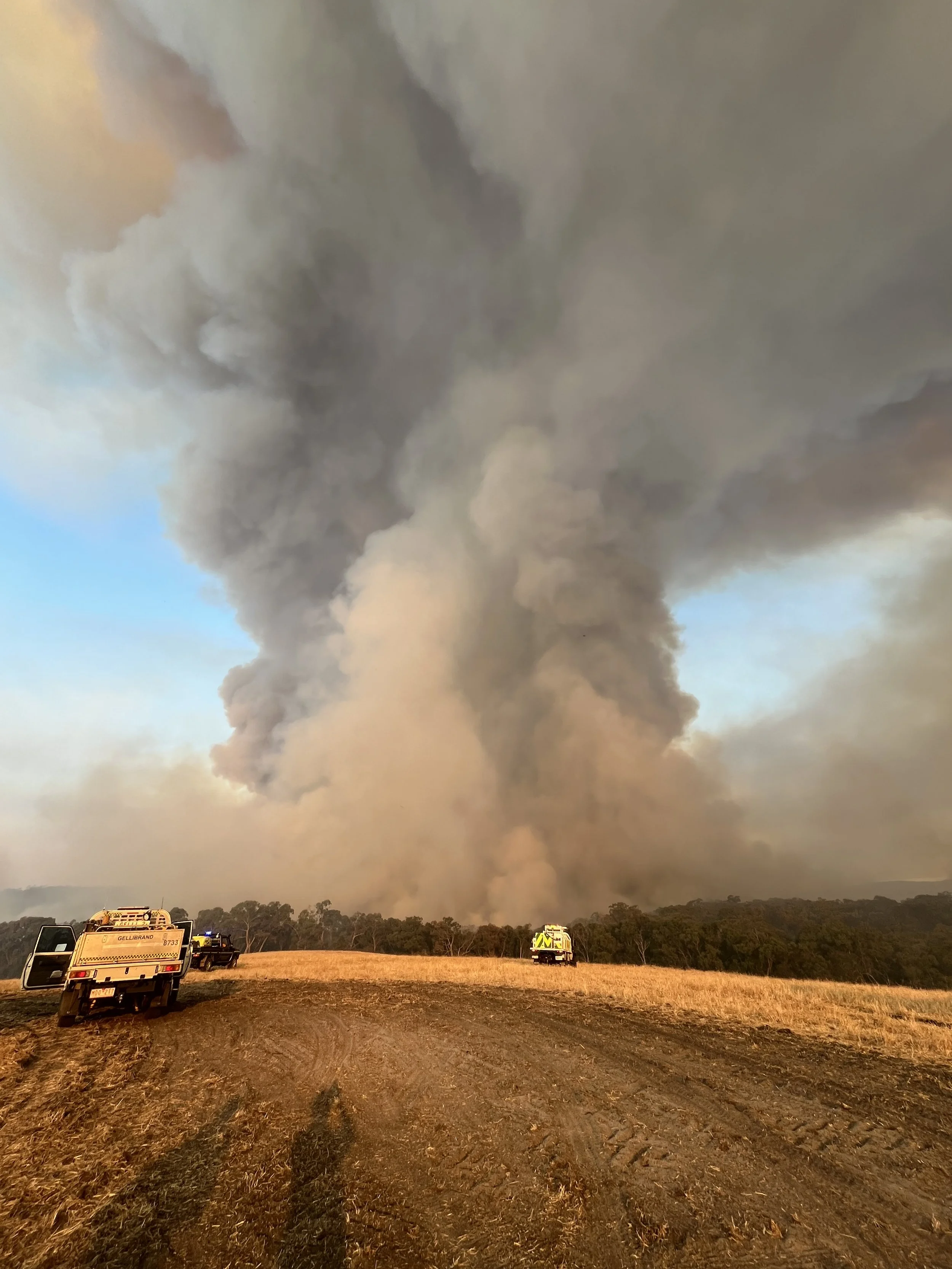
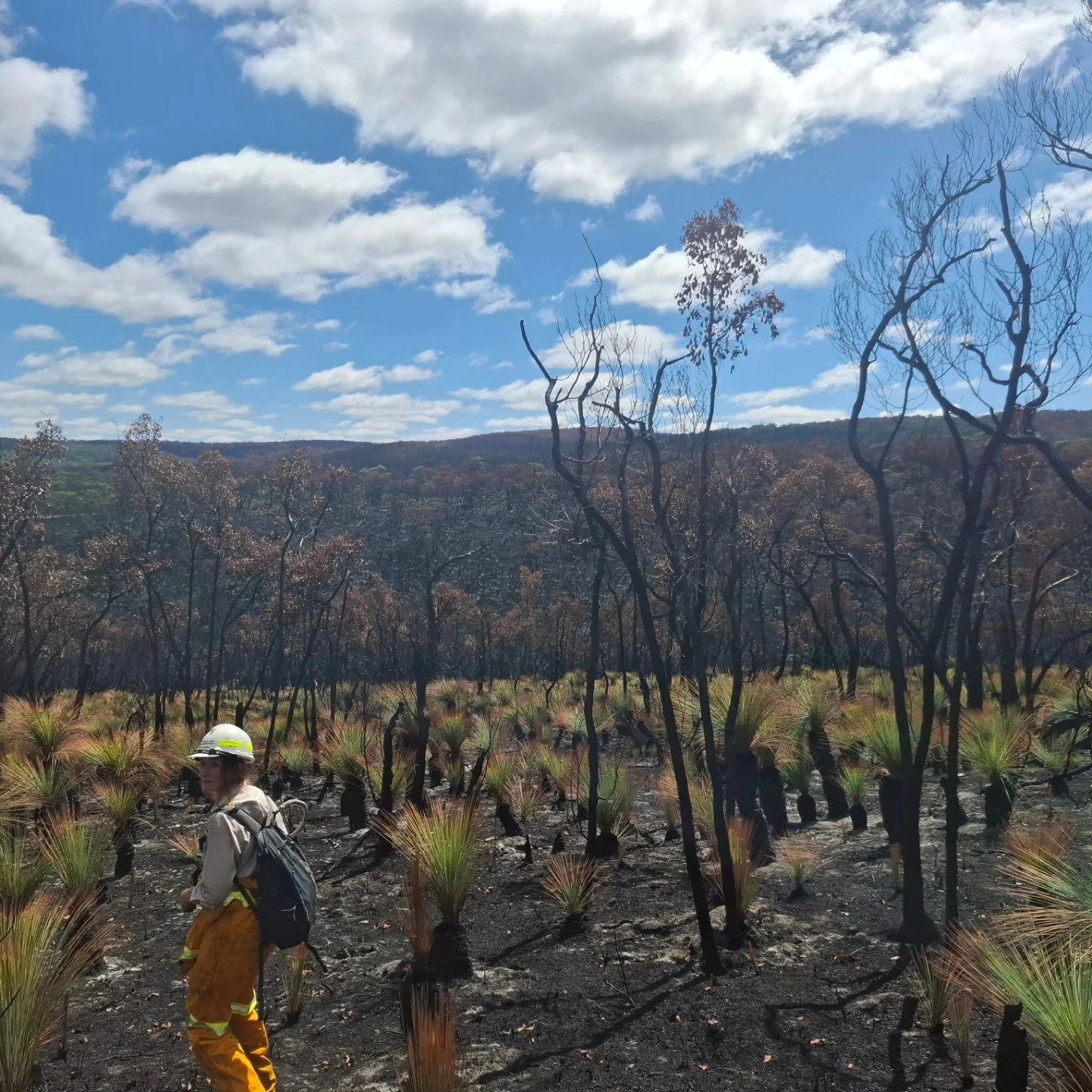
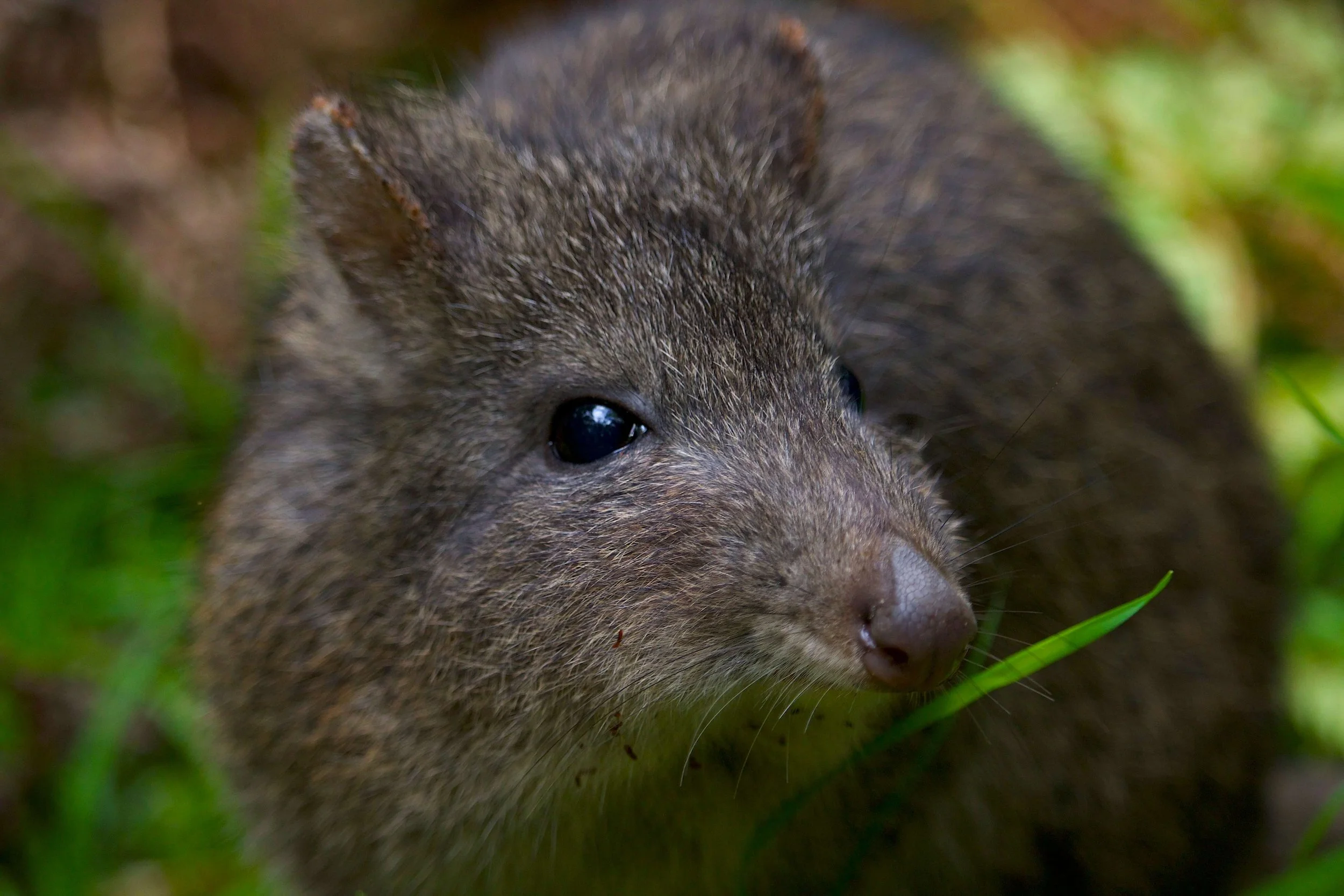
The smoke has now cleared over the Carlisle Heath, but the recovery has only just begun.
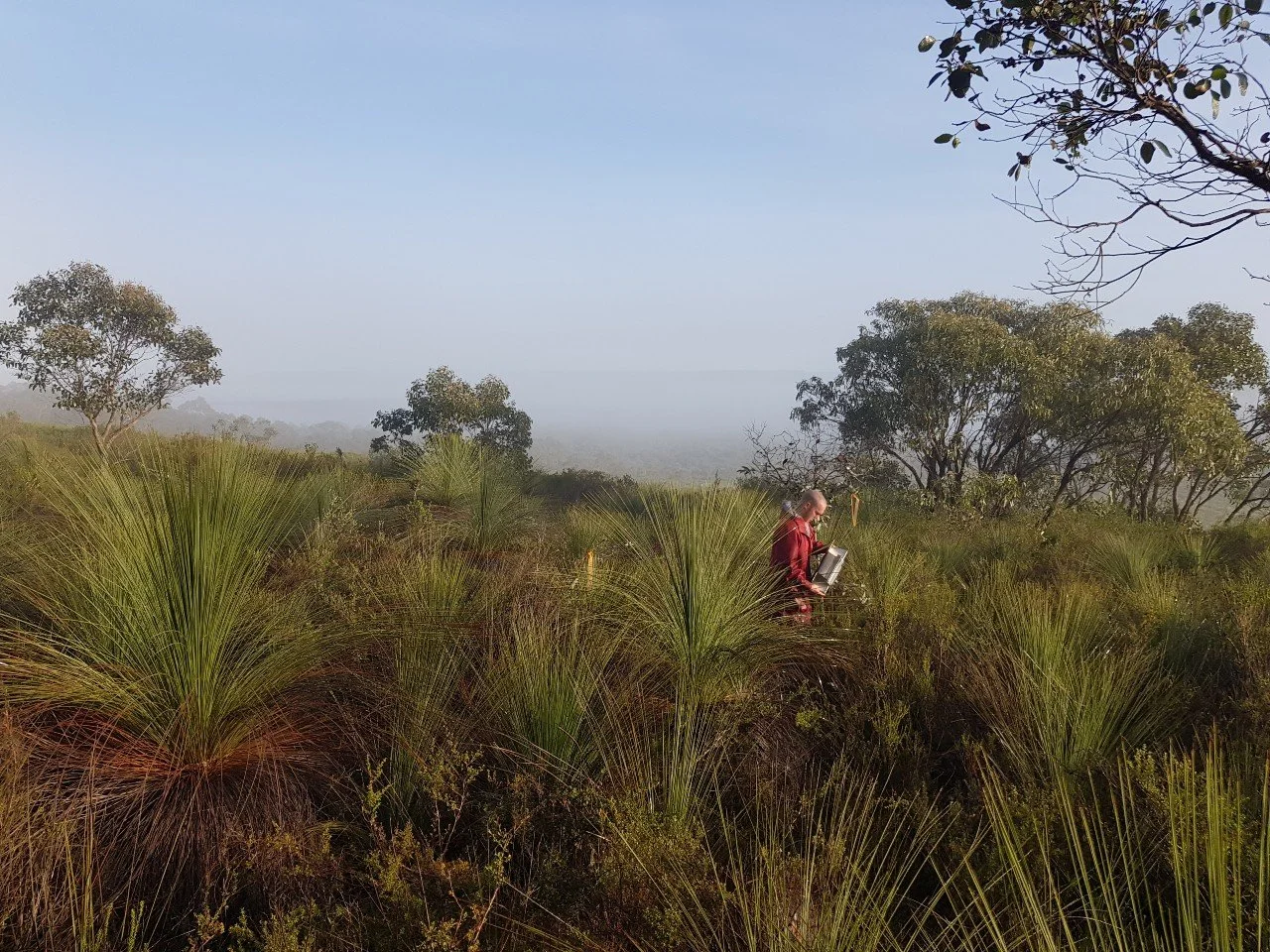
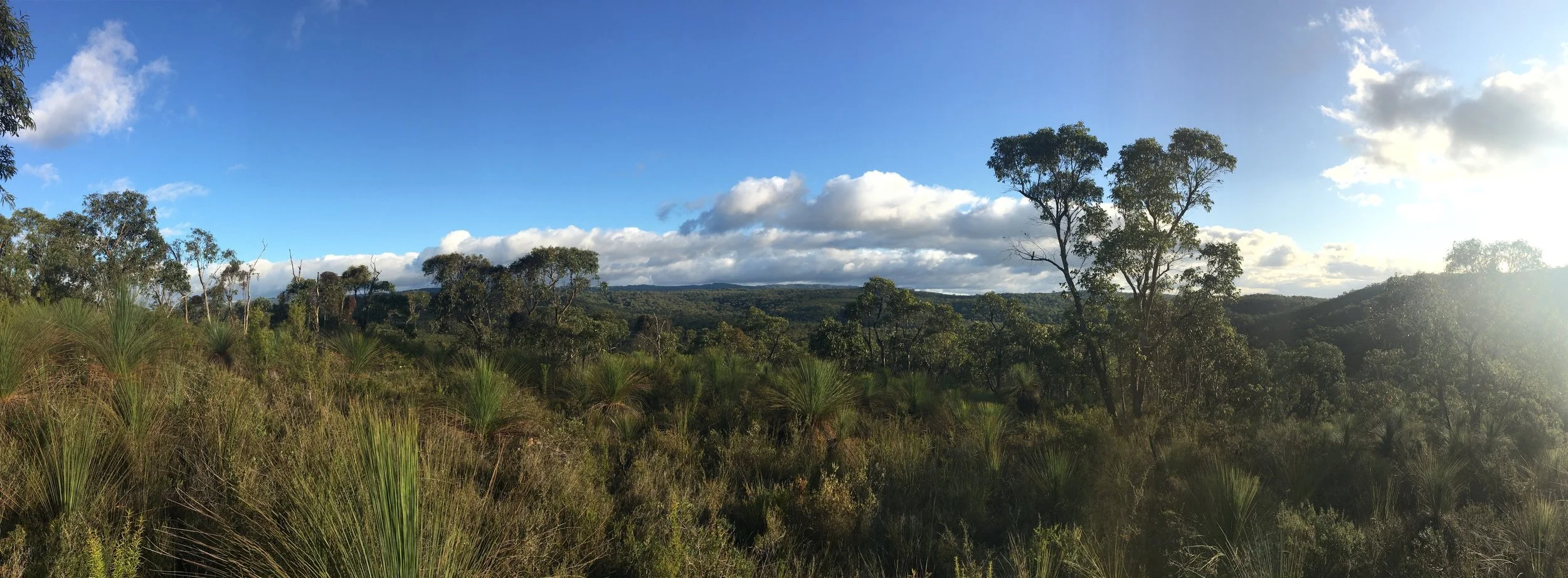
In January 2026, bushfires tore through more than 11,000 hectares of the western Otways - an area 100 times the size of Melbourne’s CBD. This landscape, an ecologically significant heathland known to Traditional Custodians as "Ground Parrot Country", was scorched by intense heat. The impact on wildlife and the ecosystem has been devastating.
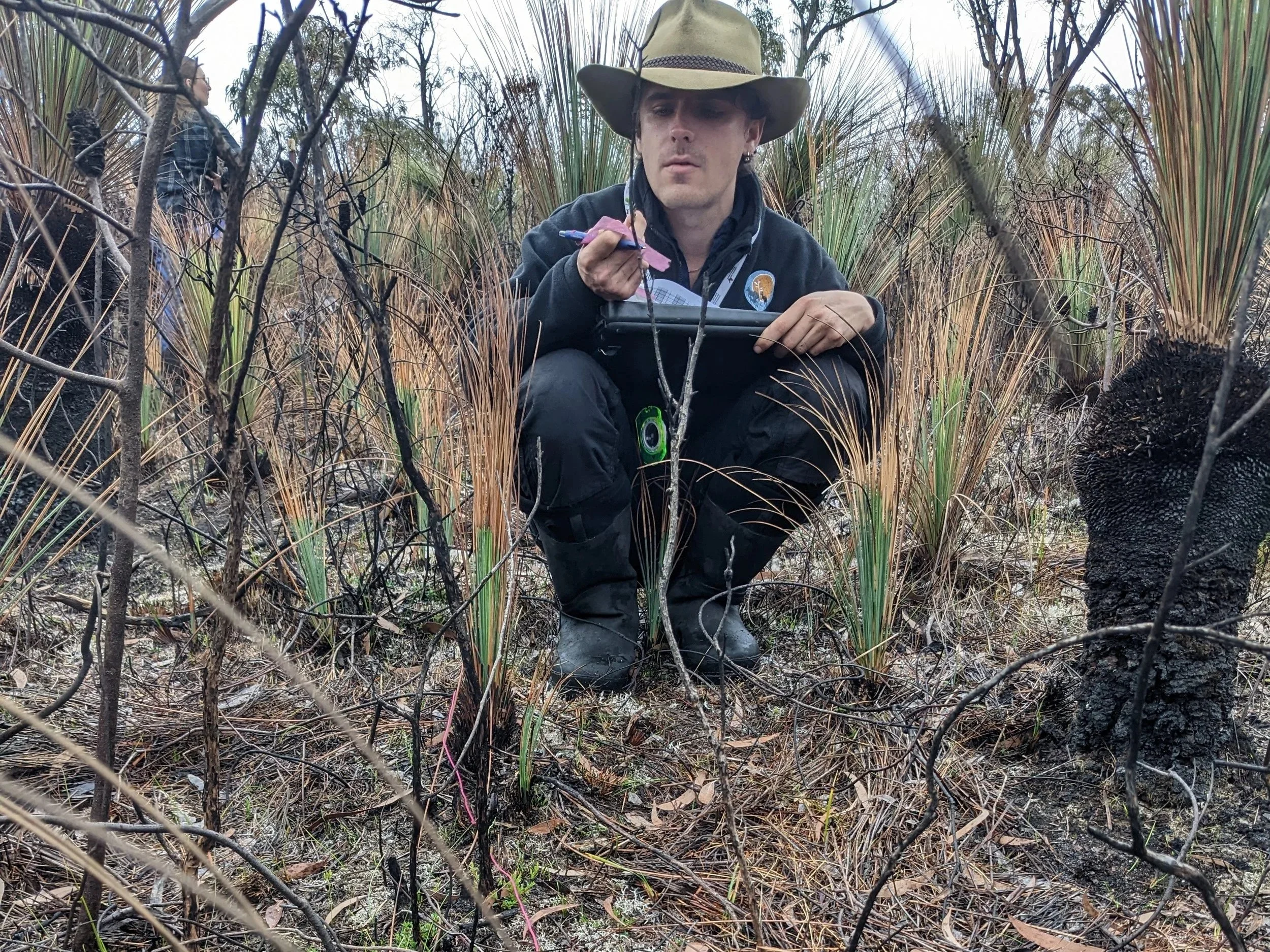
Fortunately, we are not starting from scratch. For over a decade, CEC researchers have lived and worked in this landscape. We have built a powerful baseline of ecological data that now serves as our map for recovery.
We aren't just guessing how to help. We’re are bringing science and stewardship to every hectare.
Your support will enable us to respond to this crisis.
The CEC is an ACNC-registered charity and all donations over $2 are tax deductible.
Recovery progress in the Carlisle so far
The environmental response to the environmental impacts of these fires is being coordinated across many partners, including Forest Fire Management Victoria, Eastern Maar Aboriginal Corporation, University of Melbourne, and Parks Victoria.
Everyone is pitching in with the resources they have right now to ensure this unique landscape has the best chance possible of a full recovery. Including extraordinary generosity from the community.
Thanks to the first $25,000 we’ve raised through the Otways Bushfire Wildlife and Habitat Recovery Fund, our CEC team has already deployed 120 remote wildlife monitoring cameras across the heath.
These cameras have been placed in the locations where we have years of pre-fire data, providing a rare and powerful "before and after" understanding of the impact of major bushfire.
By the end of April, we will have the first wave of data to help us understand how wildlife is responding to the burn.
But there is a critical gap between the emergency and the arrival of grant funding to support this work. We cannot wait months for it to (possibly) arrive when the vital window for monitoring the landscape's first breath of life is now.
Your support today helps us to continue acting now.
Donations to the Otways Bushfire Wildlife and Habitat Recovery Fund support immediate action to protect surviving wildlife and lead the long-term recovery of the Carlisle Heathlands and surrounding habitats.
The CEC is an ACNC-registered charity and all donations over $2 are tax deductible.
The Funding Gap: Why We Need You Now
We have been busy applying for as much grant funding (both government and philanthropic) as we can to support this vital work. But disaster funding moves slowly, and nature does not.
There is a critical "knowledge window" open right now that we cannot afford to miss. Nature doesn’t wait for paperwork.
Your donation today provides the immediate "bridge" funding we need to take these urgent actions right now:
Second Camera-grid Deployment: Strategic placement of another 120 remote cameras in a second location will provide a more complete picture of how small mammals are responding post bush-fire.
Vegetation Recovery Surveys: Monitoring of how the unique flora of the Carlisle Heath is regenerating, and comparing this against our ten-year baseline will reveal what management actions are needed to ensure this landscape can keep providing homes for important and vulnerable species into the future.
Protecting the Green Shoots: As plants begin their recovery with tender new shoots, they attract herbivores like deer and pigs. We’re monitoring these invasive animals right now to ensure they don't graze (or trample) the recovering vegetation into the ground.
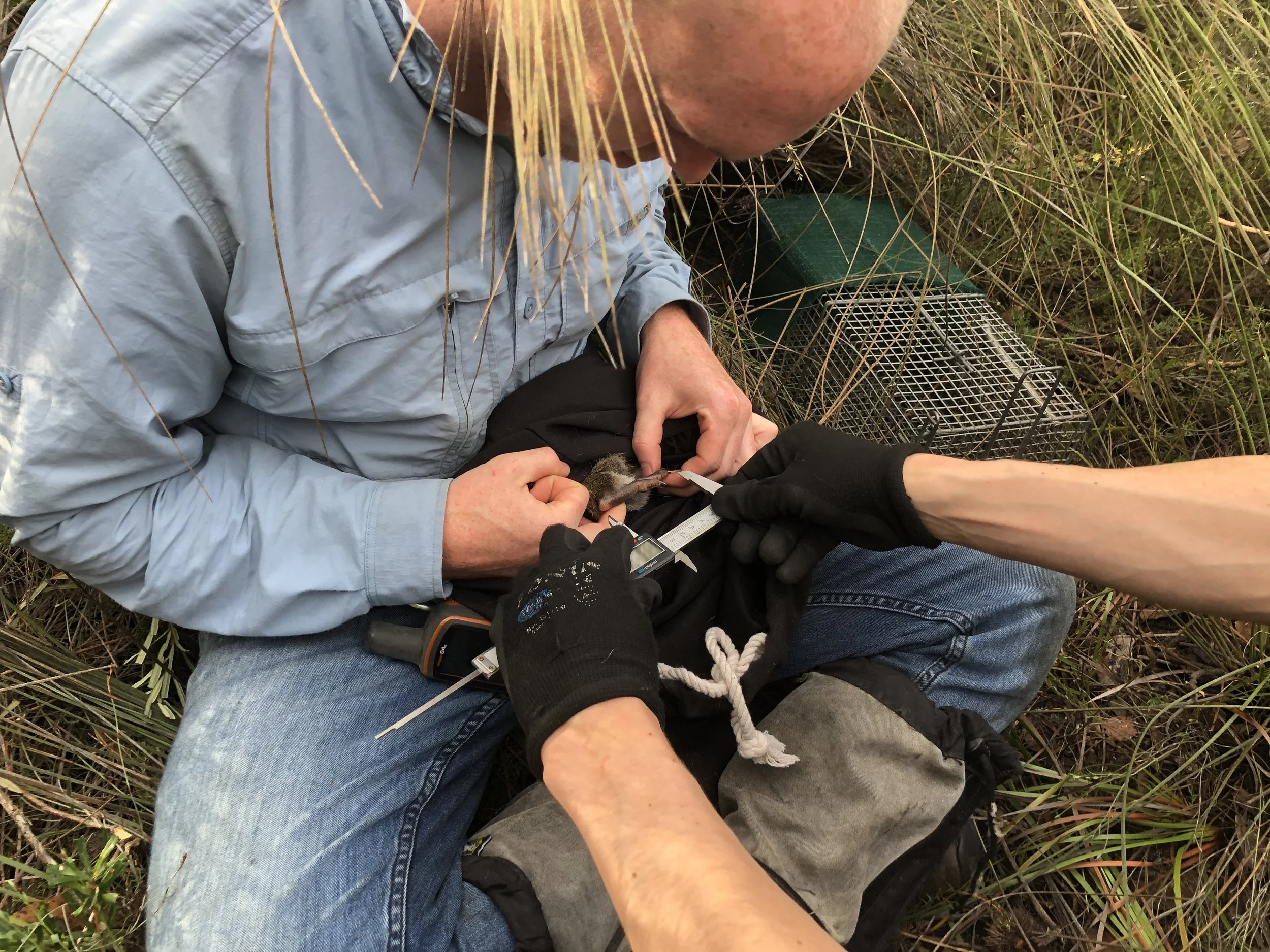
Can you help us with this vital work that ensures science guides the recovery of the Carlisle Heathlands?
The CEC is an ACNC-registered charity and all donations over $2 are tax deductible.