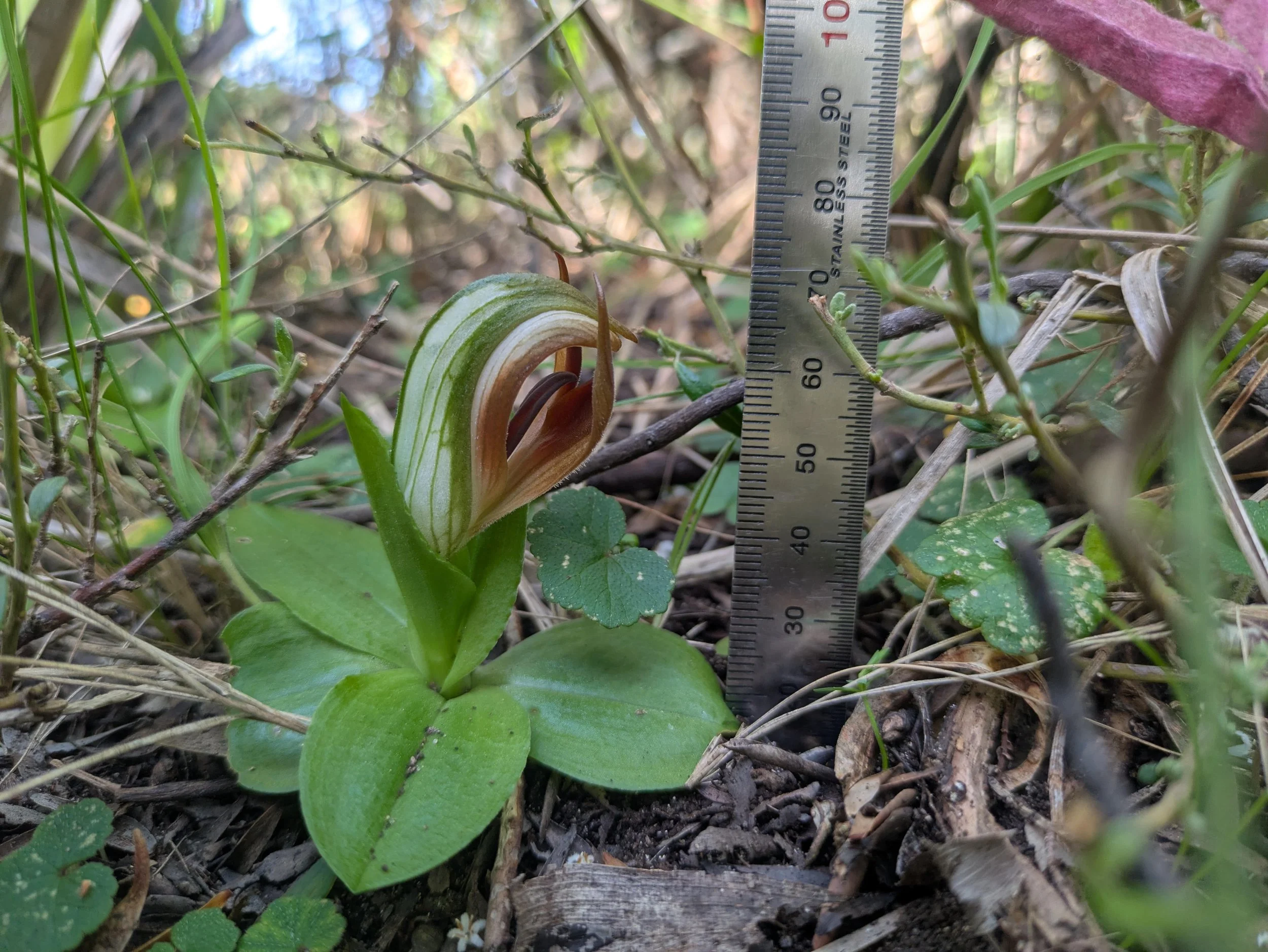
For the past decade, we have been counting leafy greenhoods, recording plants and flowers of this endangered orchid on Cape Otway.
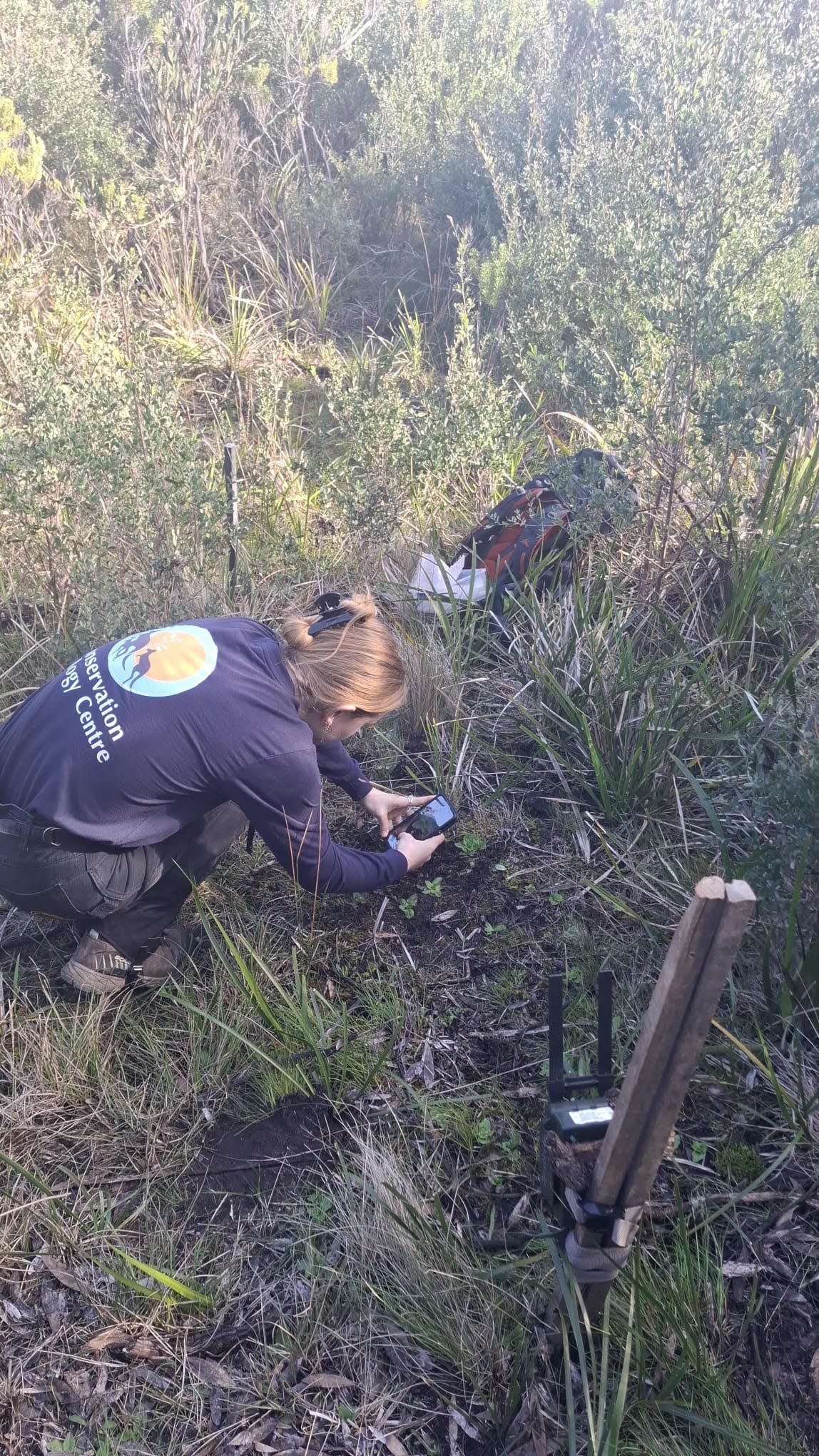
Now, University of Melbourne honours student Cherish Arrowsmith is using those ten years of data to find out whether greenhood colonies are declining, and to look for other trends and patterns that may help conserve this little orchid. Her first field season has already turned up a surprise.
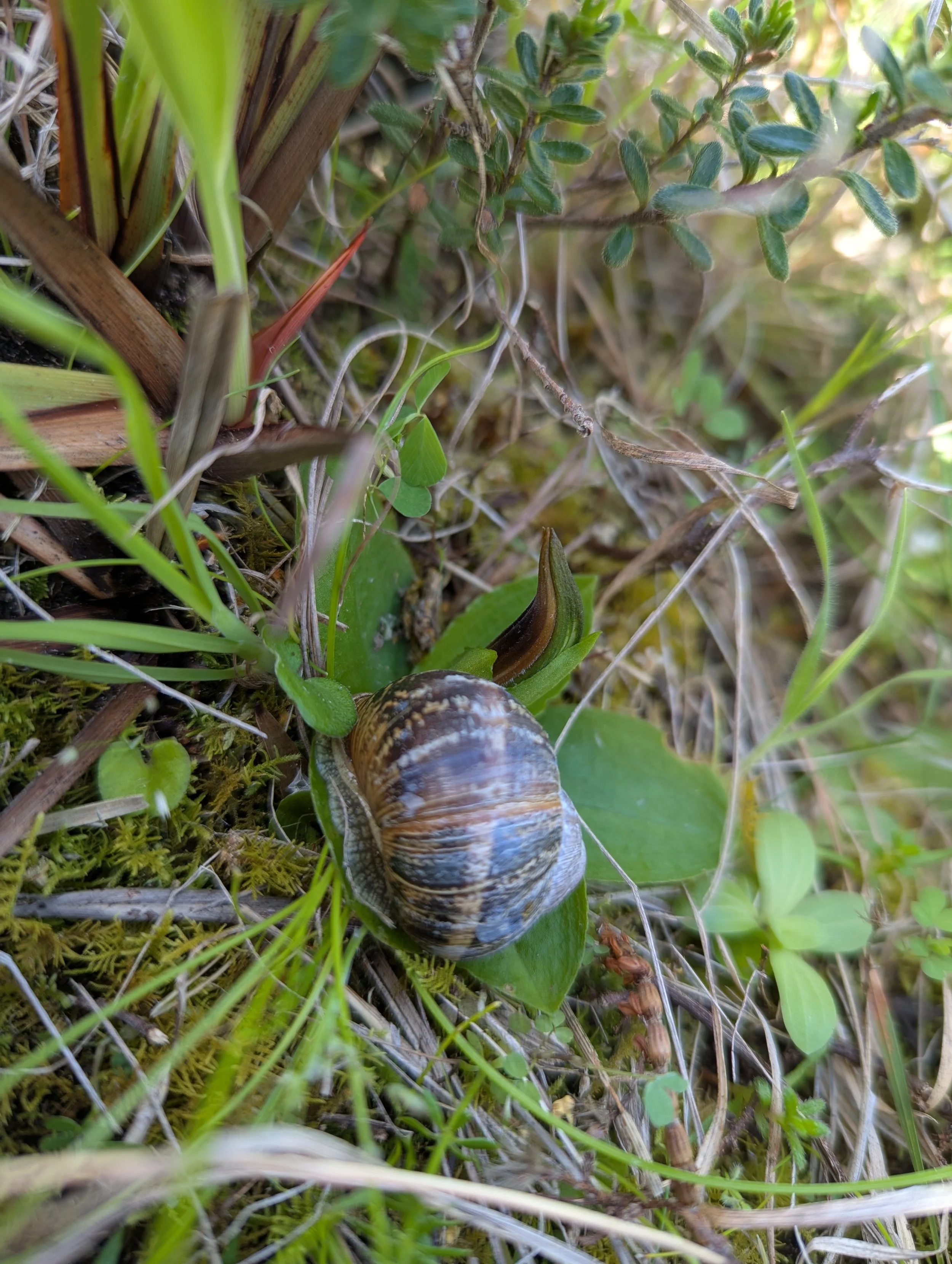
We knew browsing wallabies like to munch on the greenhood flowers. What we didn't expect was the scale of damage from small herbivores like the invasive garden snail and Portuguese millipede. Cherish found that many flowers were failing because of them, making these small herbivores a far bigger threat to the orchids than we had realised.
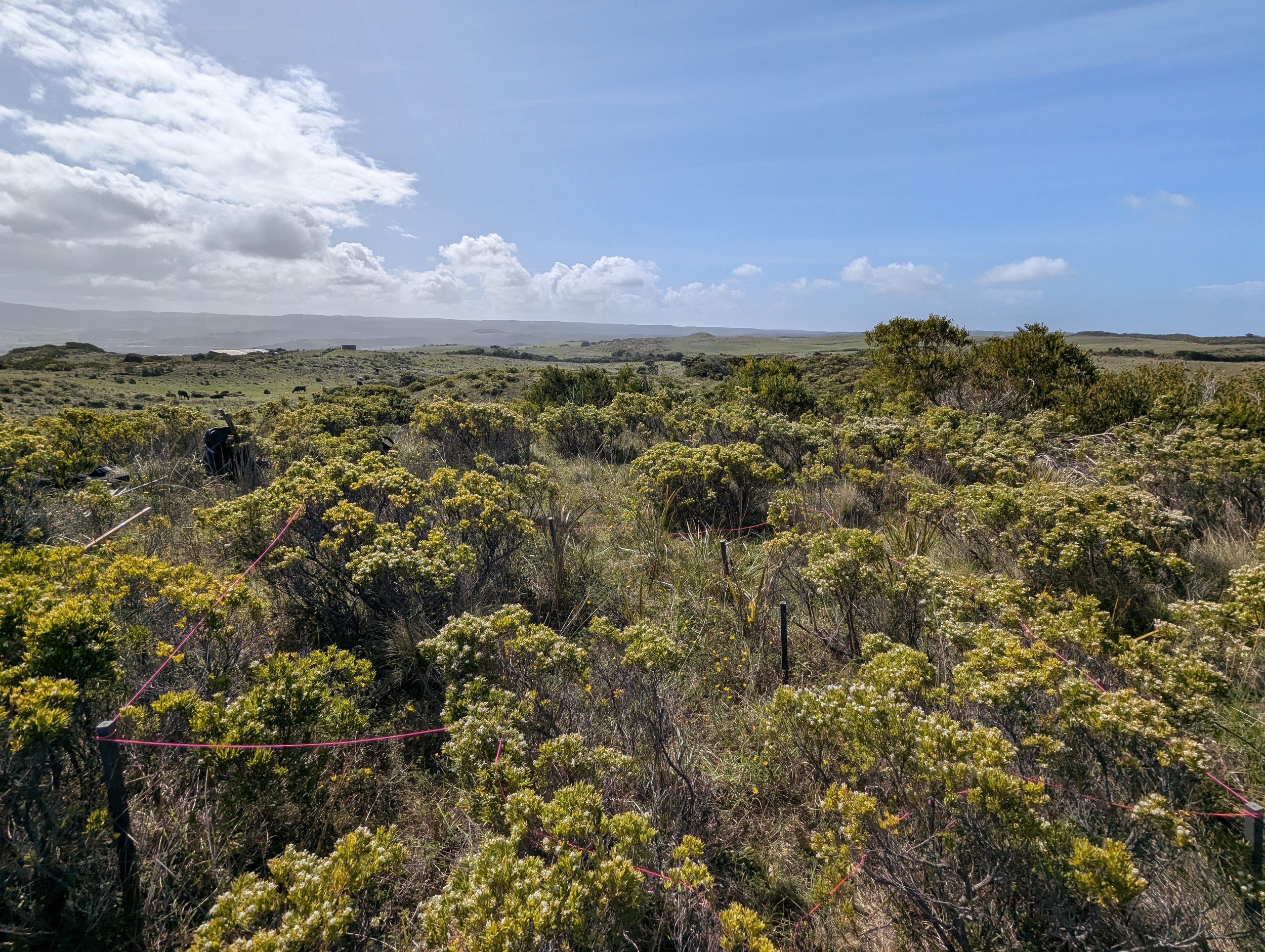
Her work also points to a second pressure. Where greenhoods are sparse or missing, shrub cover appears high, mostly Coastal Beard-heath (Leucopogon parviflorus) and Coastal Tea Tree (Gaudium laevigatum), two native shrubs that compete with the orchids for space and light. Gaining a better understanding of how removing these shrubs affects the orchids, to guide how we manage them in future.
Timing also matters for this kind of management. Greenhoods spend most of the year dormant underground as tubers, and disturbance while they are above ground can kill them. Done while they are dormant, the same work opens up light they can use. Part of Cherish’s fieldwork is pinning down exactly when the Cape’s greenhoods flower, so that management can be timed around them.
These are early results, from a single field season. Over the rest of her honours, Cherish will analyse the full ten years of data to find out whether any colonies are declining, how flowering varies between them, and whether plant numbers track rainfall.
Watch Cherish’s presentation at the 2026 Otways Ecological Research Forum https://youtu.be/zauTCqdCotk