New partnerships for coastal stewardship, building ecological resilience along the Great Ocean Road
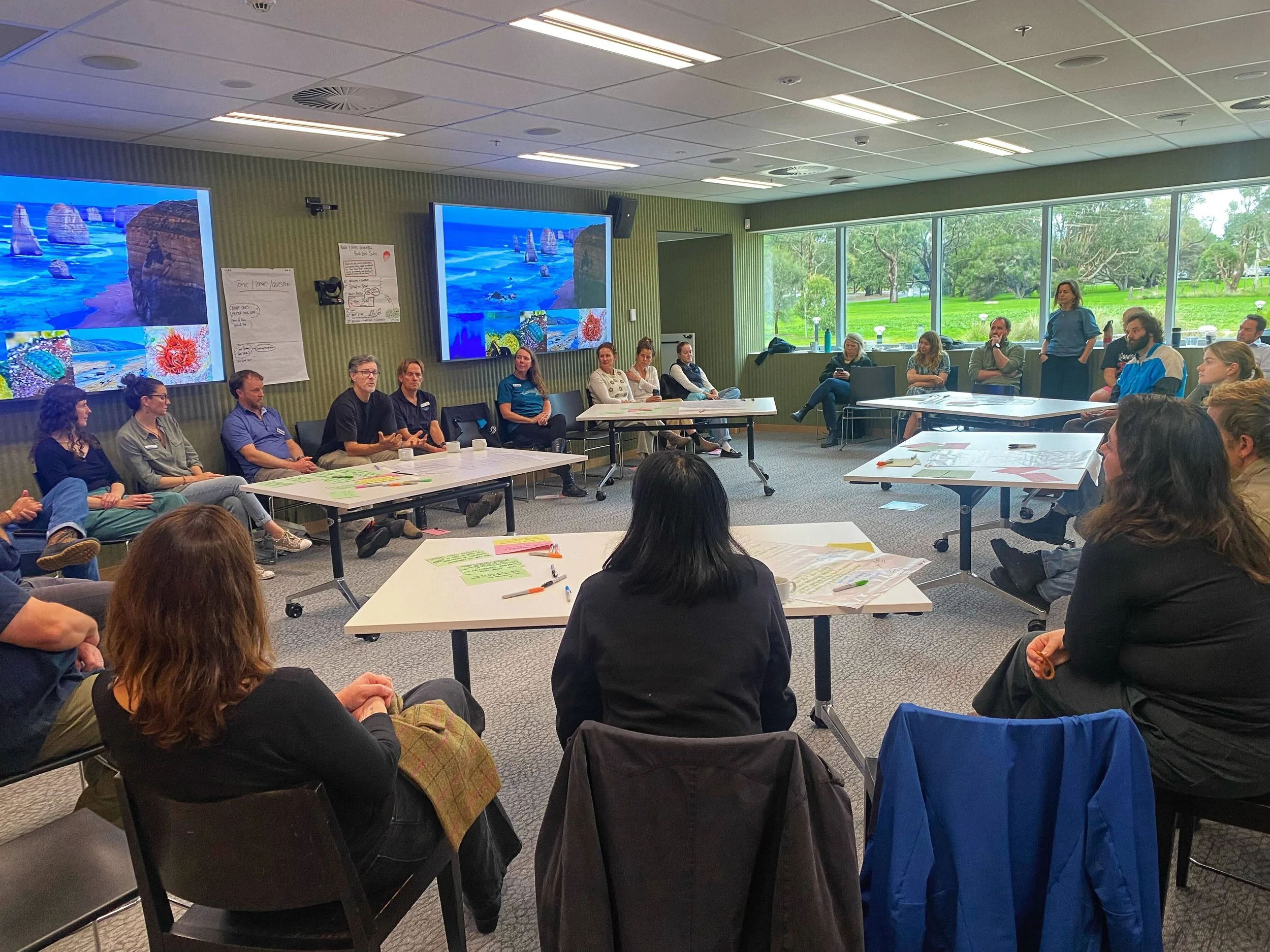
Who cares for this coast? It’s not a question that necessarily springs to mind when you’re driving along the Great Ocean Road, but more than a dozen organisations recently came together to consider exactly that – asking what priority conservation and research actions are needed to safeguard the region’s coastal and marine environments into the future.
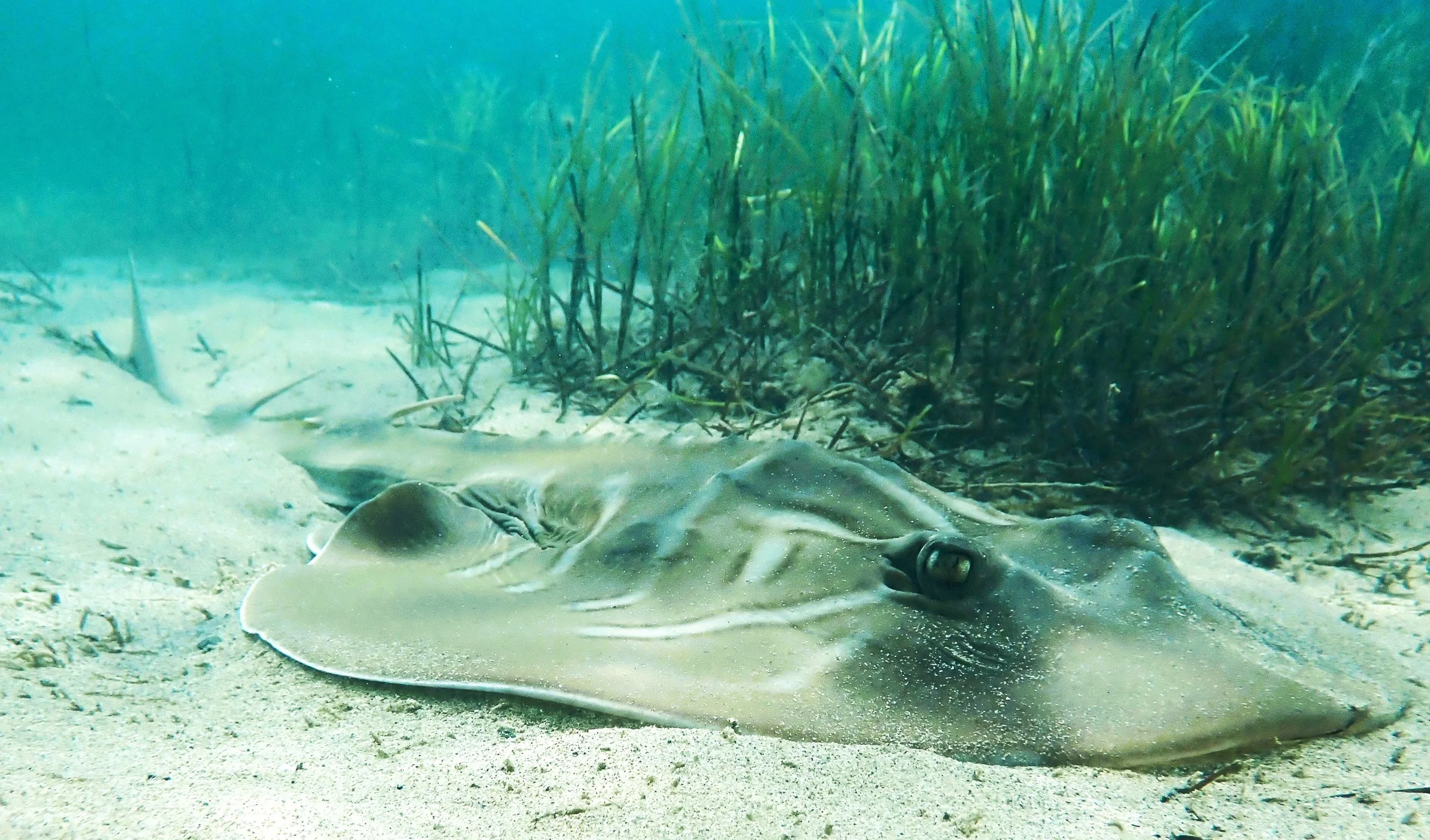
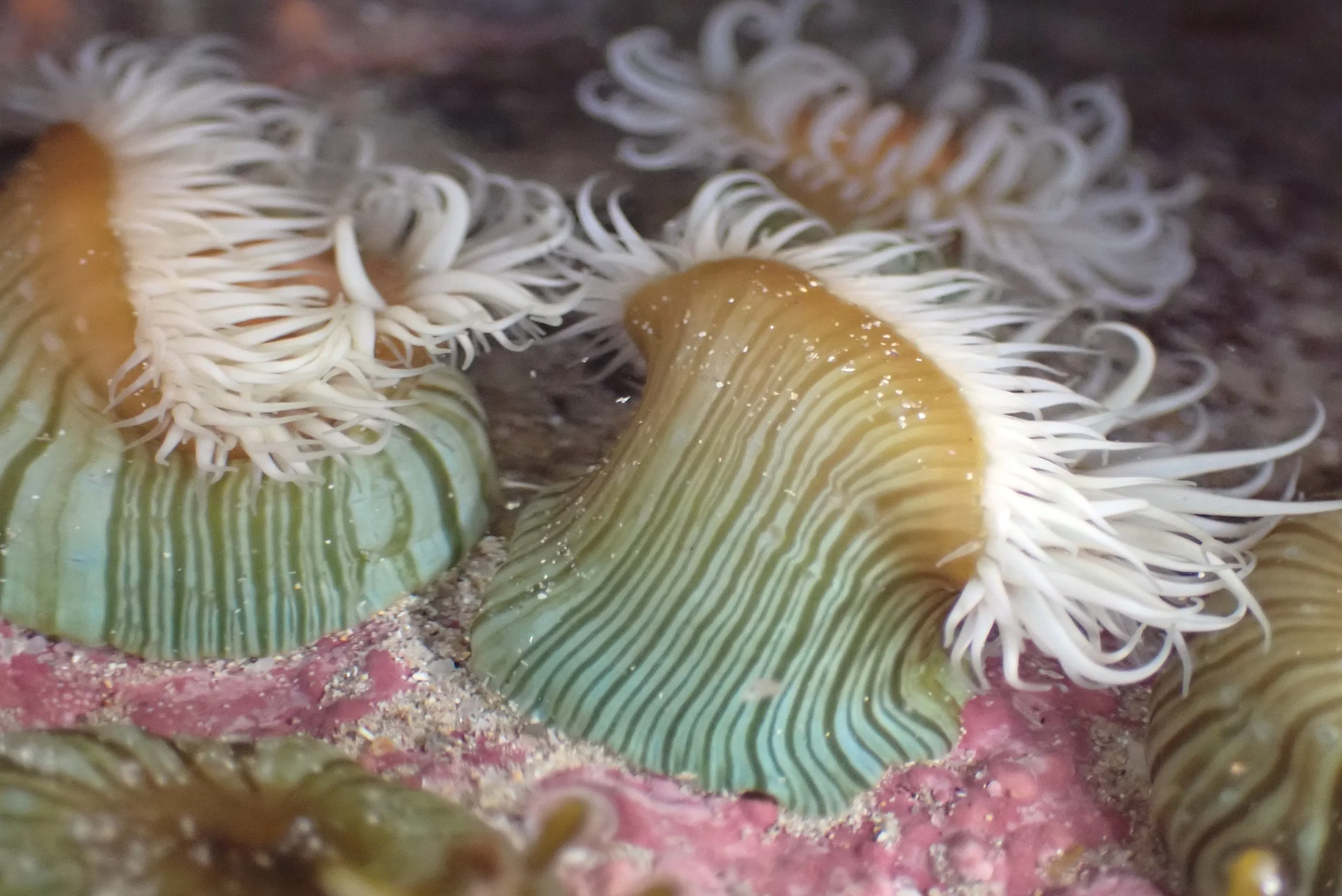
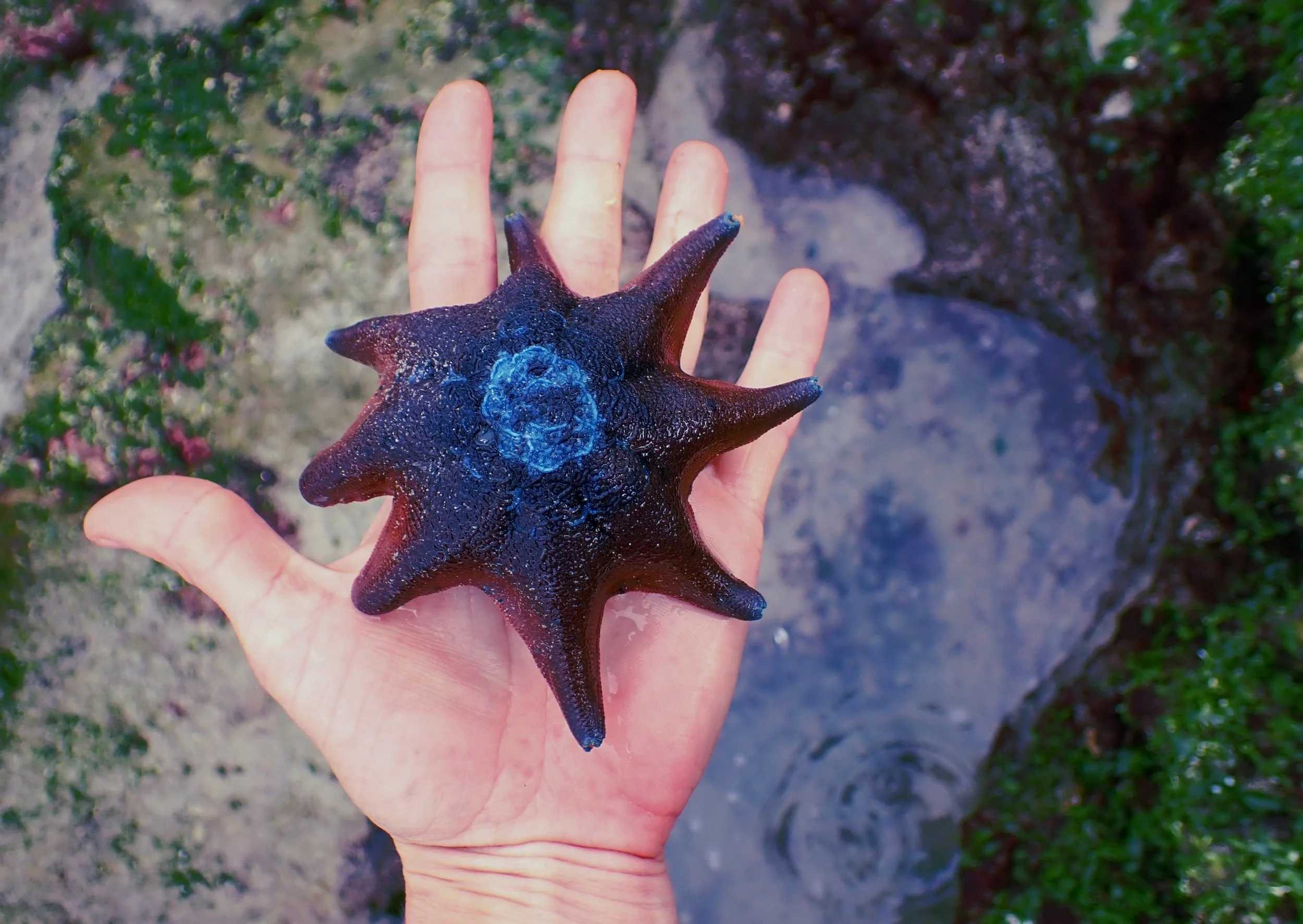
From seagrass meadows and sponge gardens to seal colonies and the vast submerged landscapes of the Great Southern Reef, the ‘Horizon Scan workshop on Marine and Coastal Conservation’ surfaced a wealth of ideas, including expanded marine protected areas, new monitoring programs, and bold questions about how we value, govern and tell the story of this extraordinary coast.
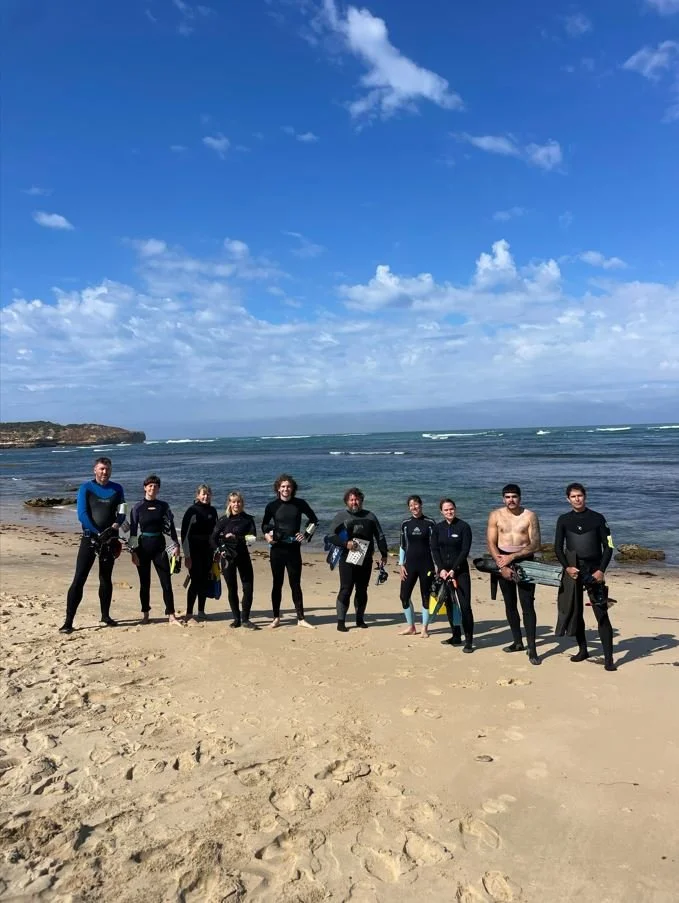
The workshop was facilitated by the Conservation Ecology Centre (CEC) with support from the Great Ocean Road Foundation and Deakin University and brought together a landmark coalition of researchers, Traditional Owners, conservation organisations, and government agencies and community groups and non-government organisations (NGOs) at Deakin University in Warrnambool. It marked a significant step in the expansion of CEC’s Otways Marine Ecosystem Resilience (OMER) initiative.
“OMER integrates ecological science, Indigenous Sea Country leadership, and community citizen science to protect the region’s coastlines and ensure its resilience in the face of climate change and increasing human pressures,” says Dr Kay Weltz, Marine Ecologist and OMER Program Manager. “Data alone won’t save an ecosystem. What changes things is when people come together, with the right knowledge, the right relationships, and the passion to act.”
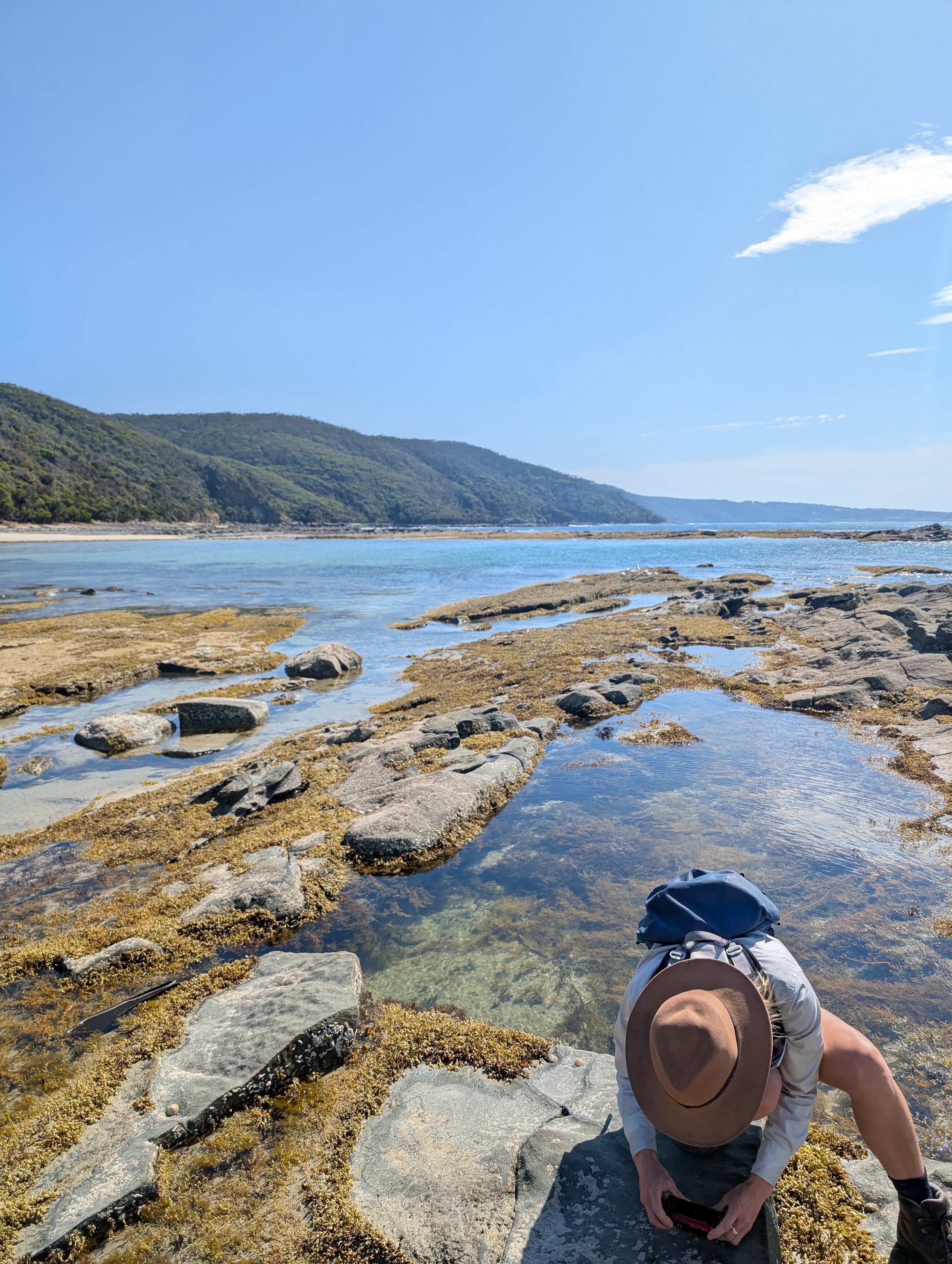
Over the past 2 years, OMER has established ecological monitoring across 14 sites from Wye River to Warrnambool including sites on the Great Ocean Road and Great Ocean Walk, with funding now secured to expand that network to 20 sites, spanning the full breadth of Eastern Maar Sea Country. The next step involves piloting place-based stewardship planning along selected Otways coastal sections, co-designed with EMAC and local communities.
Despite attracting more than six million visitors each year – more than twice the annual visitation to the Great Barrier Reef – the Great Ocean Road has no coordinated long-term marine monitoring program. Climate change, offshore development, fishing pressure and over-tourism are placing increasing strain on ecosystems that, until recently, had never been systematically surveyed.
“We have extraordinary marine environments along this coast,” says Deakin University Marine Ecologist, Professor Daniel Ierodiaconou. “But until now we’ve been making management decisions largely in the dark. What excites me about this alliance is that we finally have the researchers, Traditional Owners, agencies and community groups in the same room, and the collective will to build the kind of long-term, coordinated data that this coastline deserves.”
At the heart of the alliance is the Eastern Maar Aboriginal Corporation (EMAC), whose Sea Country team ensures Traditional Owner values and Indigenous Ecological Knowledge sit at the centre of this work — not the margins. Eastern Maar peoples have maintained deep cultural relationships with this coastline for millennia, and their leadership is integral to shaping what responsible, long-term stewardship looks like here.
Other organisation involved include, Deakin University, the Great Ocean Road Coast and Parks Authority, Parks Victoria, the Victorian National Parks Association, Otway Ocean Care, The Nature Conservancy, the Marine Mammal Foundation, and the Corangamite Catchment Management Authority.
The work is being presented at the Otways Ecological Research Forum in Colac on Tuesday 25 August 2026. For interviews or more information contact: Toni Stevens, Conservation Ecology Cente on 0401763130 or toni@conservationeoclogycentre.org.