OMER Update: Spring Survey Highlights, Project Progress & 2026 Plans
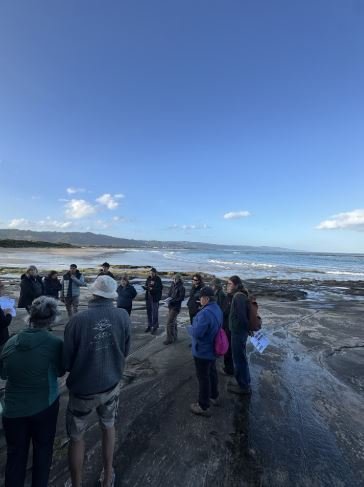
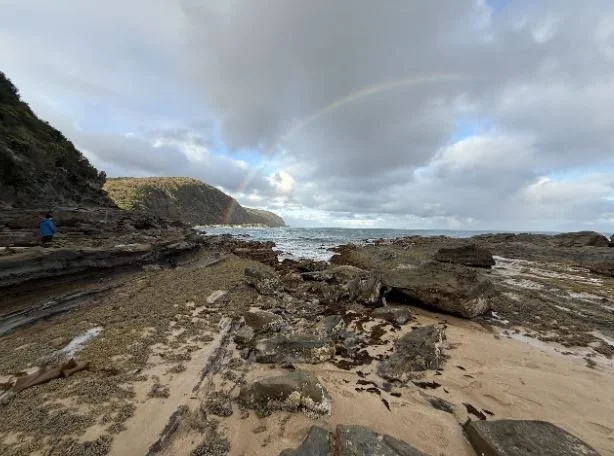
Another successful round of OMER surveys was completed in October and November, with CEC staff and an enthusiastic team of volunteers surveying Marengo, Blanket Bay, Skenes Creek, Parker Inlet, and Crayfish Bay. These seasonal surveys form the backbone of the Otways Marine Ecosystem Resilience (OMER) initiative, which is building up-to-date ecological baselines for intertidal and subtidal ecosystems along the Otway coast.
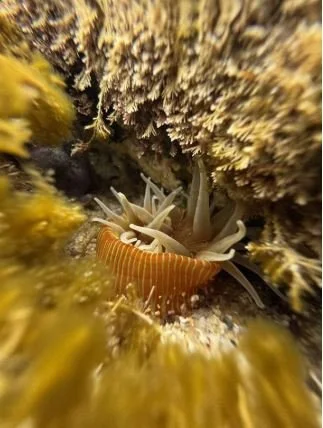
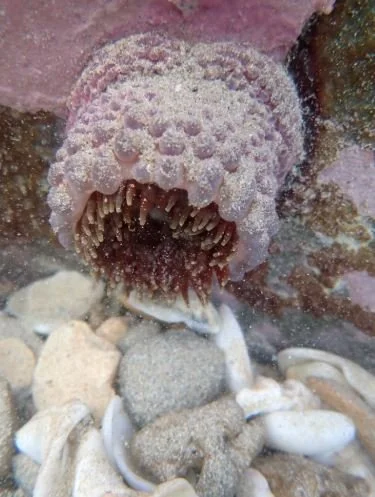
Between 50 and 63 species were recorded at each site, spanning crabs, snails, limpets, anemones, sea stars, worms, algae, and more. Several species were observed for the first time in this project, including the feather star (Antedon loveni) and unique encrusting sponges. Crayfish Bay was a standout, with its rich biodiversity, striking rock formations, and the impressive sight of exposed giant kelp holdfasts at low tide. These surveys not only reveal the incredible diversity of the Otway coast but also provide a unique opportunity for volunteers to connect with these fragile ecosystems up close.
Early-stage analysis shows that threats were fairly minimal across most sites, with the highest pressures observed at Marengo Beach, our busiest study area. Importantly, these surveys have established a baseline of ecological data for the Otway intertidal and subtidal ecosystems. Maintaining annual monitoring at these sites will be vital to track and compare over time the key human and climate-related pressures identified in this baseline pilot. This will help us understand both the short- and long-term impacts of human activities and climate change on these important marine and coastal habitats, and guide how we can best manage, mitigate, and protect them.
OMER continues to grow as a long-term monitoring and resilience program. This year, we strengthened relationships with local stakeholders and expanded partnerships with the Eastern Maar Aboriginal Corporation (EMAC) and Otway Ocean Care (OOC), sharing knowledge through scientific research & monitoring, citizen science, and cultural values. In 2026, OMER will expand to a total of 5 new sites east and west of the pilot area, including culturally significant locations. The program will support an Indigenous Ecological Knowledge Review to inform Eastern Maar Sea Country planning and will work towards developing a stewardship strategy for sections of the Otways coast that reflects both ecological and community values. Additionally, we are exploring new research partnerships with local universities and land managers to enhance monitoring, data analysis, and evidence-based management of these ecosystems across the Otways and the broader Great Southern Reef.
Looking ahead, stay tuned for the 2026 summer surveys (January–April), which will include both intertidal walking and subtidal snorkelling surveys. These surveys will provide more opportunities for community involvement, expand monitoring to new sites, strengthen our understanding of the coast’s resilience, and provide vital information to guide conservation efforts for years to come.
