
How does it feel when the landscape you love is on fire?
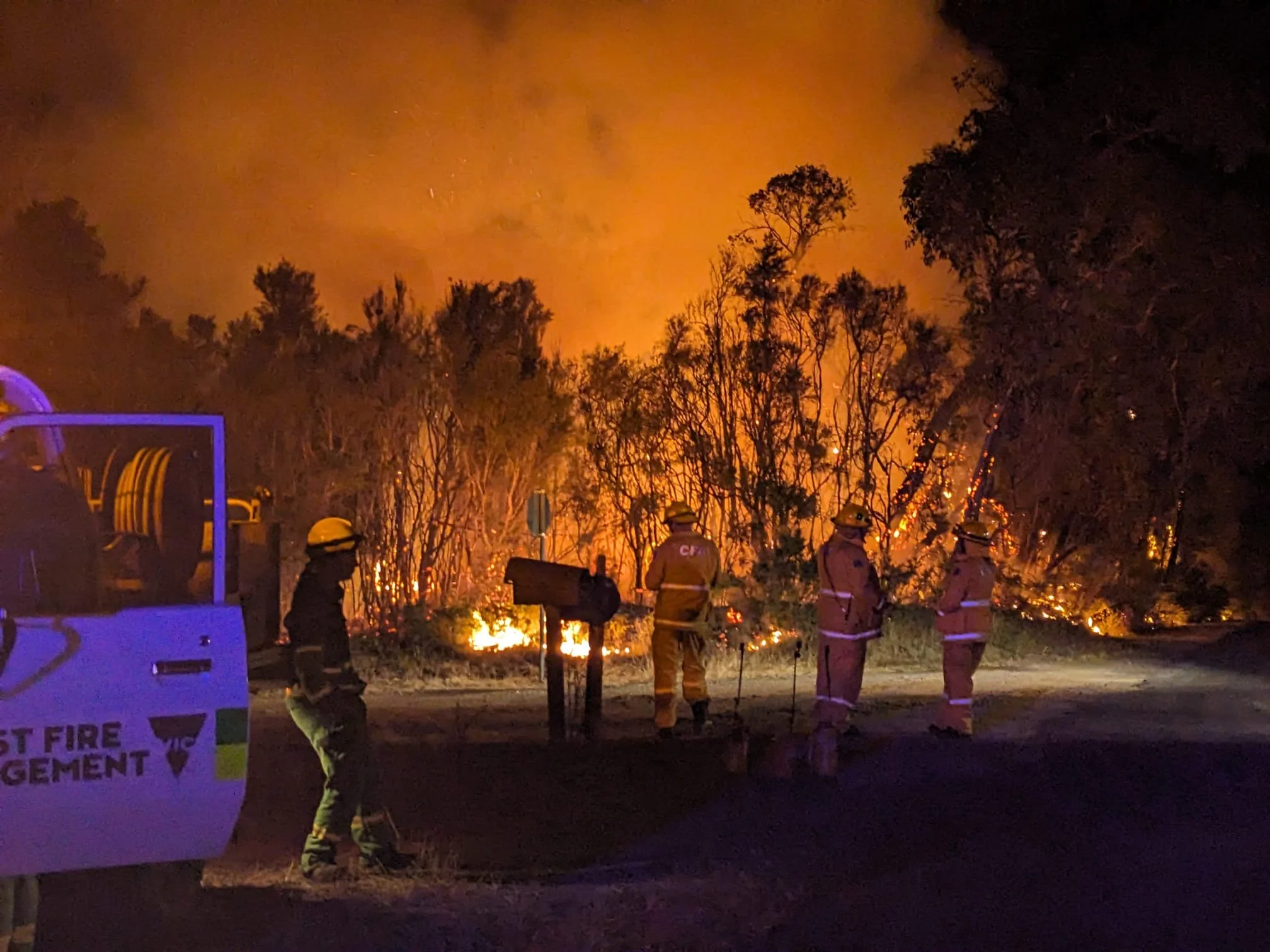
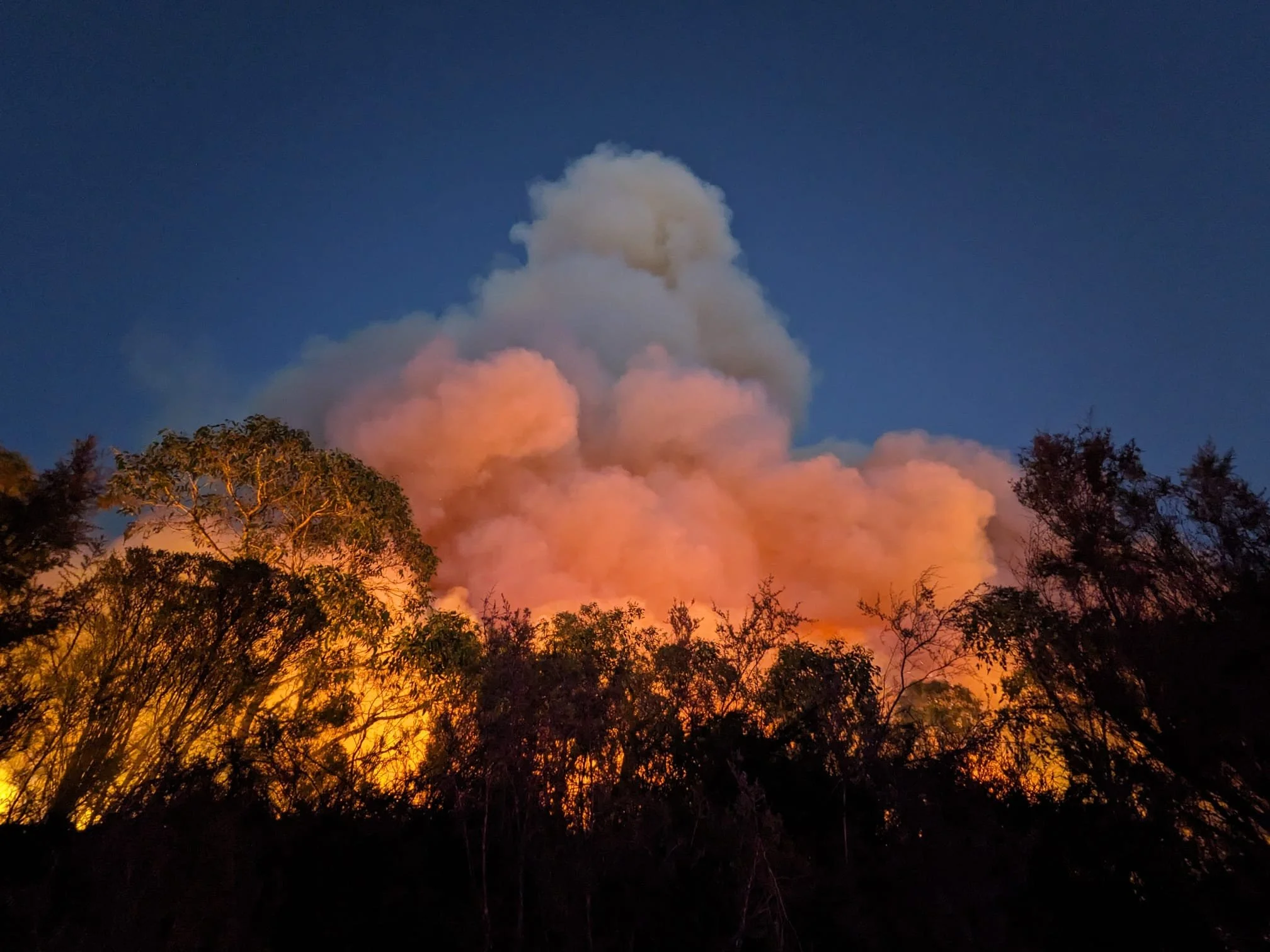
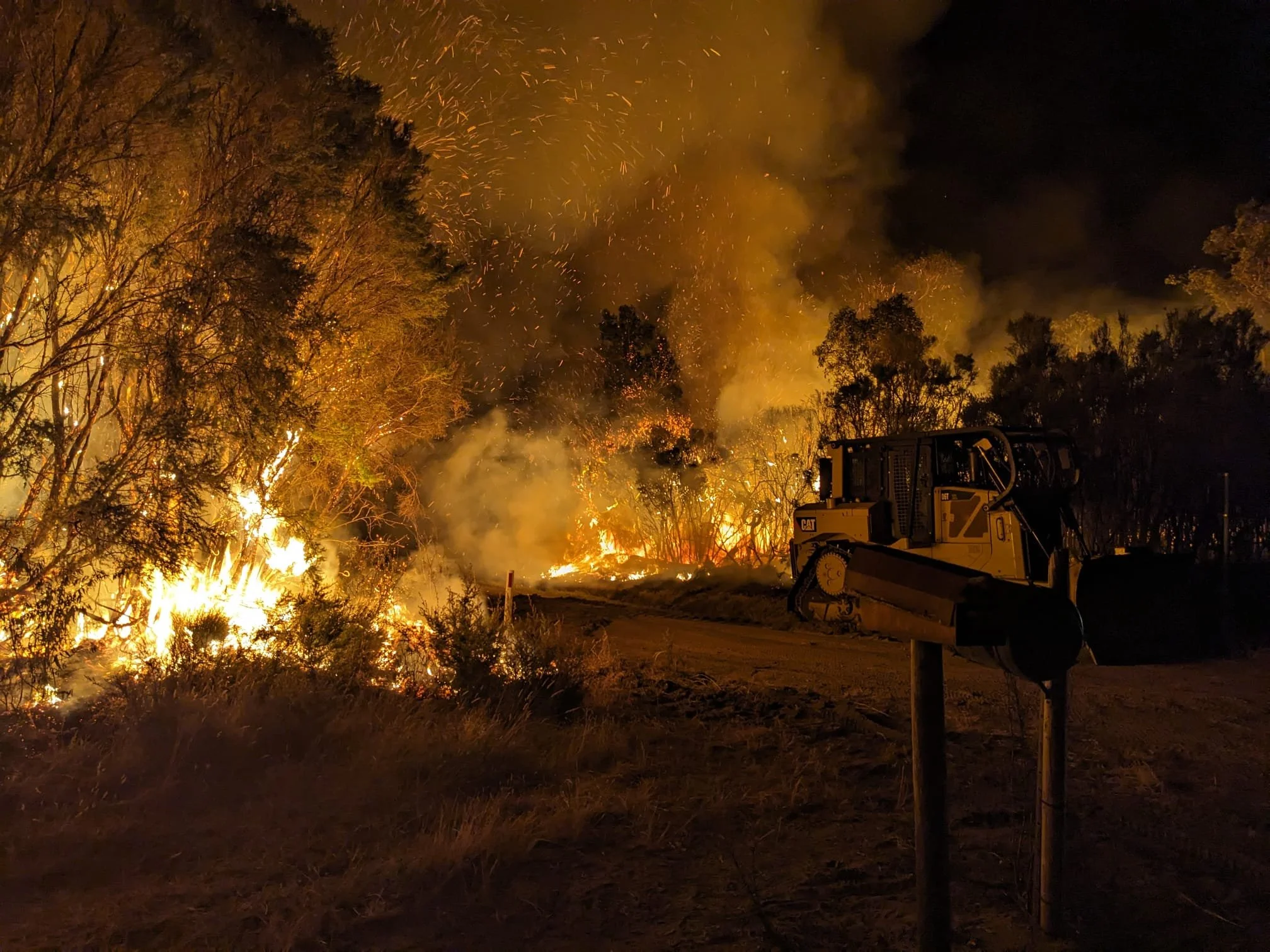
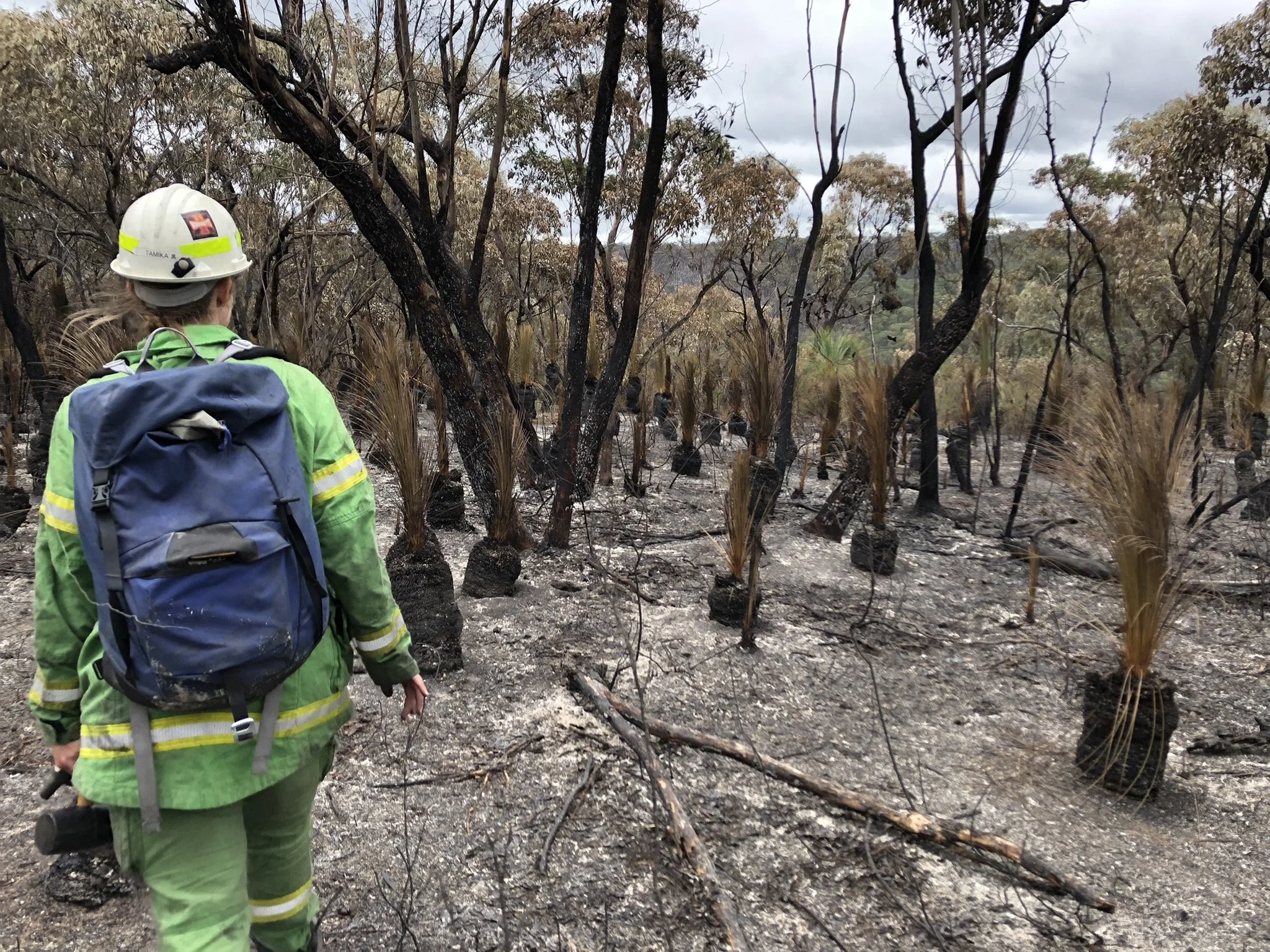
A month since the fires in the Otways started… and the Carlisle fire has now been listed as under control. As we turn our attention to research and our response for wildlife and habitat, we’ve been reflecting on what unfolded over the past month.
So how are we doing down here at the Conservation Ecology Centre?
The words of ecologist Tamika Farley-Lehmer sum up how we’ve been feeling beautifully…
"For five years I've worked to protect and conserve the Carlisle Heath – first with the Conservation Ecology Centre developing burn regimes to strengthen threatened mammal populations, now through my PhD examining how active land management can restore ground parrot country. I know every plant species, every mountain and track. This place is irreplaceable to me.
"When the fires started, on 9 January, things didn't feel so dire. The Carlisle is a flammable heathland; after dry lightning, fire feels inevitable. When the flames approached my research sites, I even tried for optimism.
“I was deployed on a CFA taskforce to the fireground, seeing first-hand the intensity and extent of the bushfire on top of the research sites I know so well. The contrast was stark and I saw a research opportunity: having just completed my PhD project on winter burning and mulching effects, this could reveal how bushfire differs from our prescribed burns on the same sites. A silver lining out of a dark situation.
"We work closely with Forest Fire Management Victoria (FFMV) on our winter burning research program and they often allow us to come out and assist with burns relating to our research. Being on the fire line brought the differences between the two types of fire into stark contrast.
“The bushfire tore through shrub-encroached wet heath, consuming everything and leaving the dried peat soils glowing like lava. Our winter burns, by comparison, meander through the system, leaving unburnt patches and often failing to consume leaf litter due to soil moisture – protecting the fire-sensitive peaty soils beneath.
"My optimism shattered when the fire escaped containment on 25 January. Under northerly winds, it roared back to life, the burn scar expanding toward what I know is prime threatened small mammal habitat. These mammals are rapidly declining across Victoria, but not in the Carlisle, such as Long-nosed Potoroos, Southern Brown Bandicoots, Swamp Antechinus, White-footed Dunnarts and Eastern Pygmy Possums. Our research made me painfully aware of how devastating this scale of fire would be to a system that is of disproportionate conservation value to the state.
"On 27 January, I sat in the CFA station, glued to fireground radios. Through them I heard FFMV's, and the CFA’s valiant effort in 40°C heat to hold the line. Around 4:30pm, the fire spotted over the track into prime habitat. Simultaneously, on another flank, it began spotting onto houses in Gellibrand, forcing crews into asset protection. I went home feeling helpless and devastated, grieving with the knowledge of exactly what this fire would mean.
"In the days that followed, FFMV and CFA contained the fire remarkably well. The scar is significant and summer isn't over, but it could have been catastrophic. Now Traditional Owners, land managers, and researchers are rallying to apply our hard-won knowledge of this system. Our immediate focus: threatened small mammals left homeless and defenceless against feral predators, desperately needing intervention."
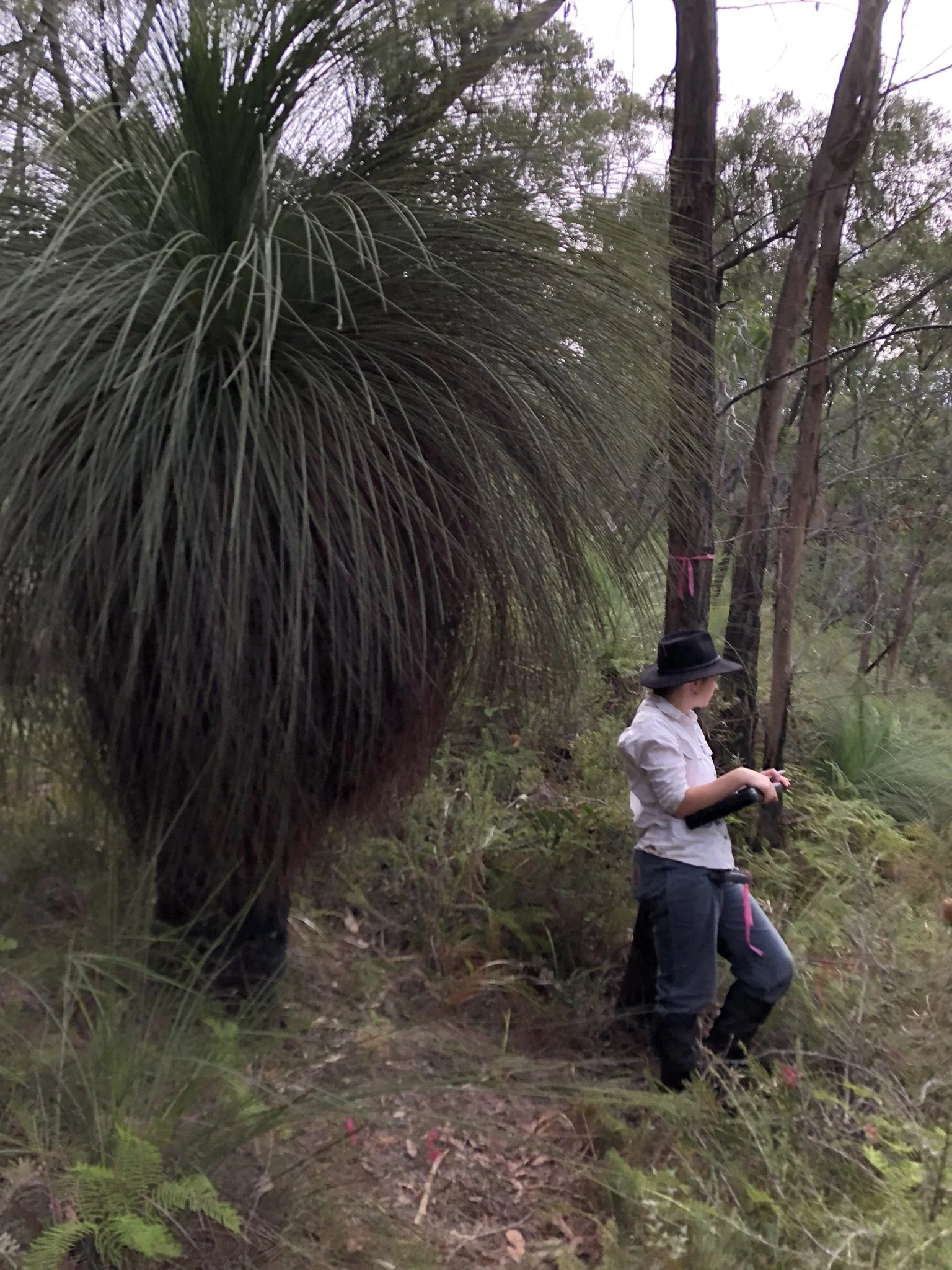

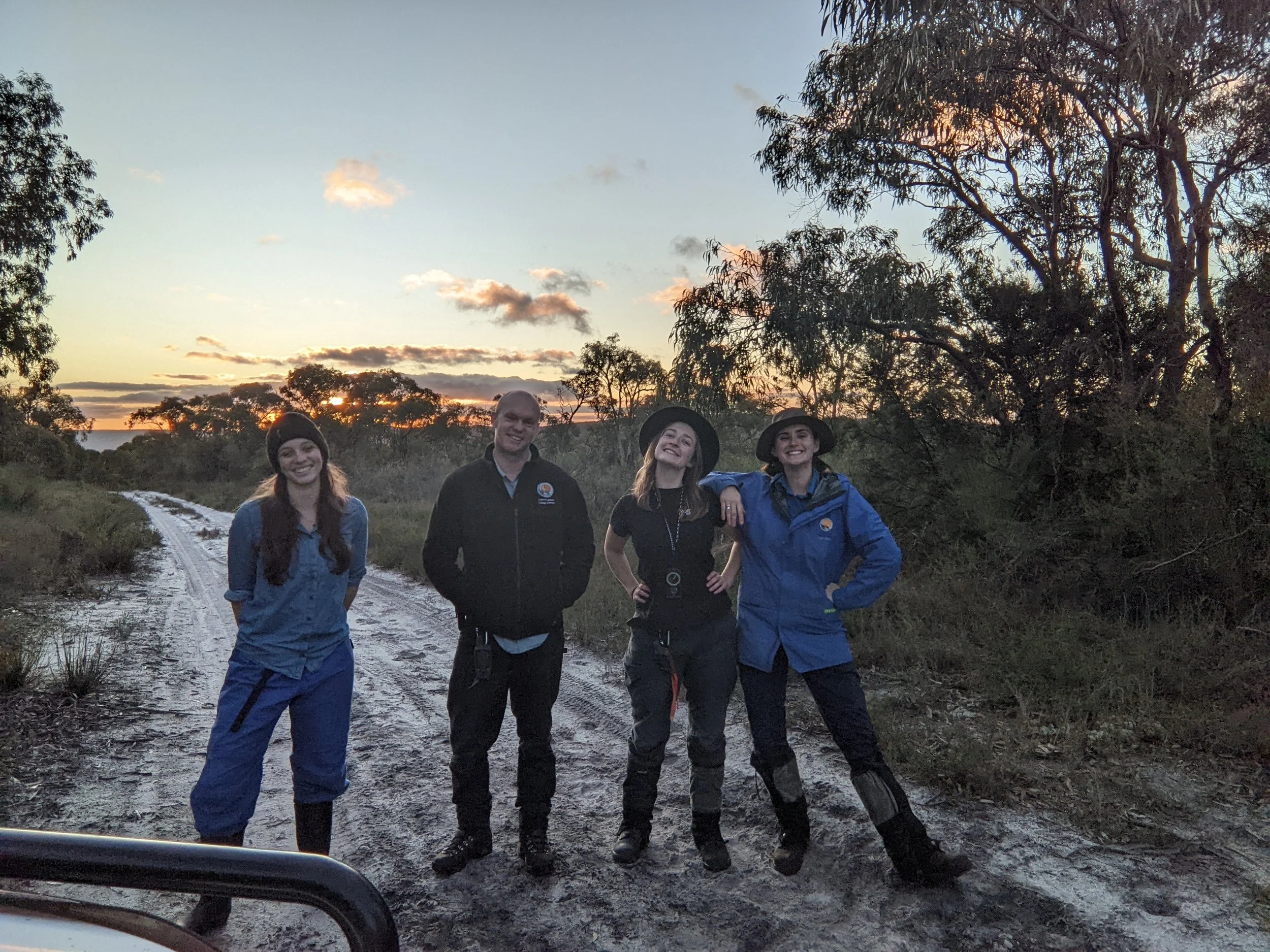
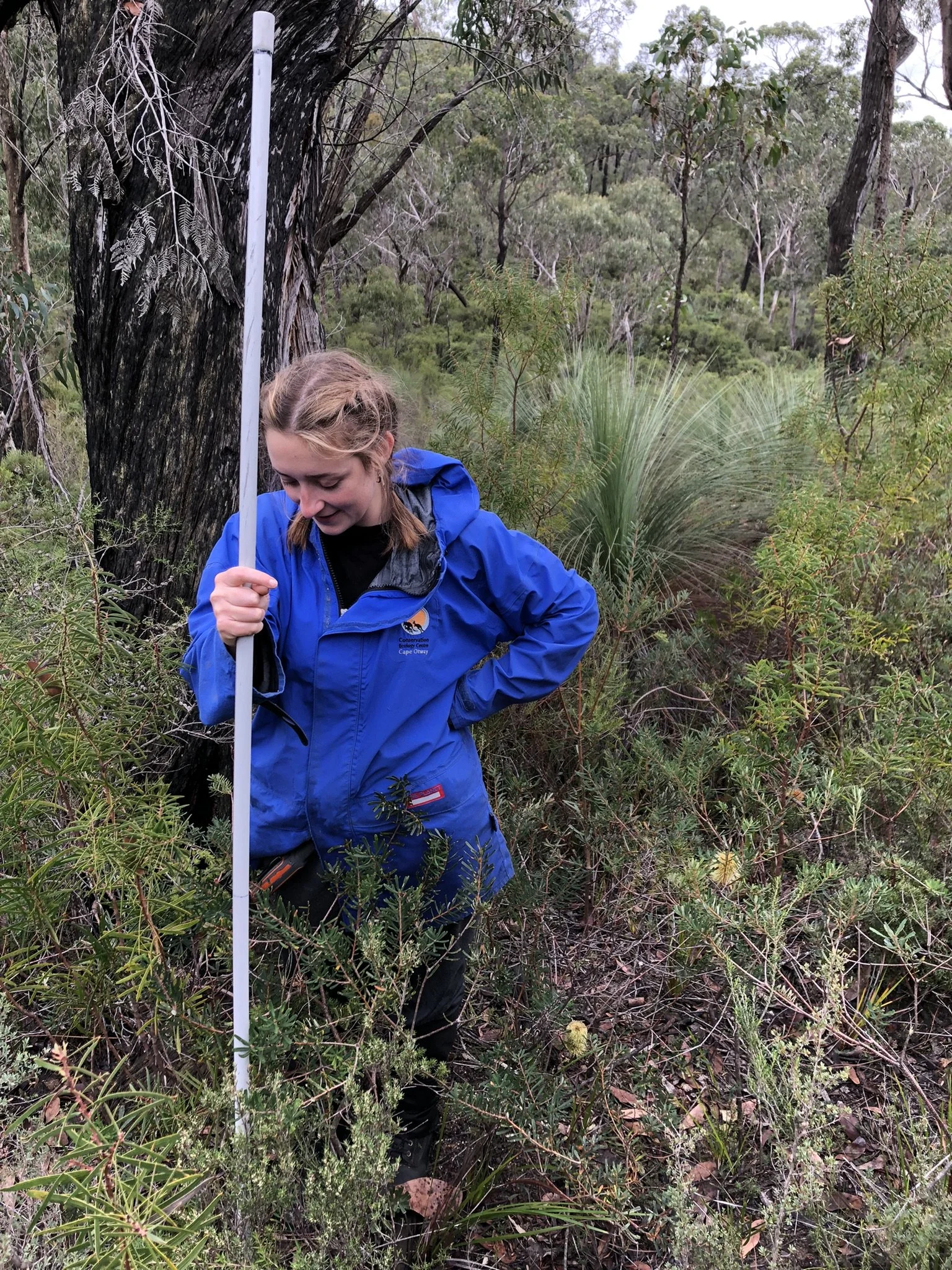
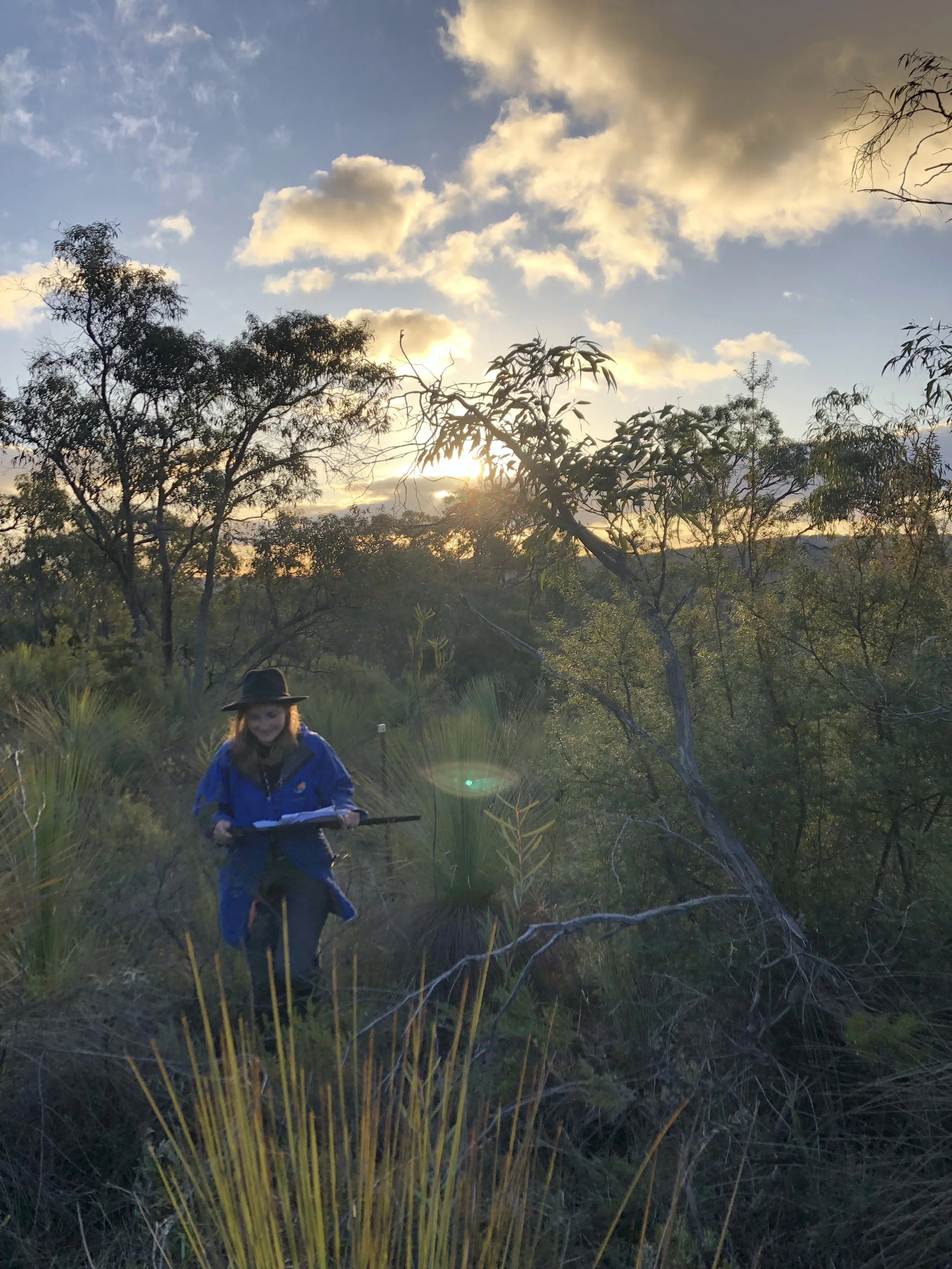
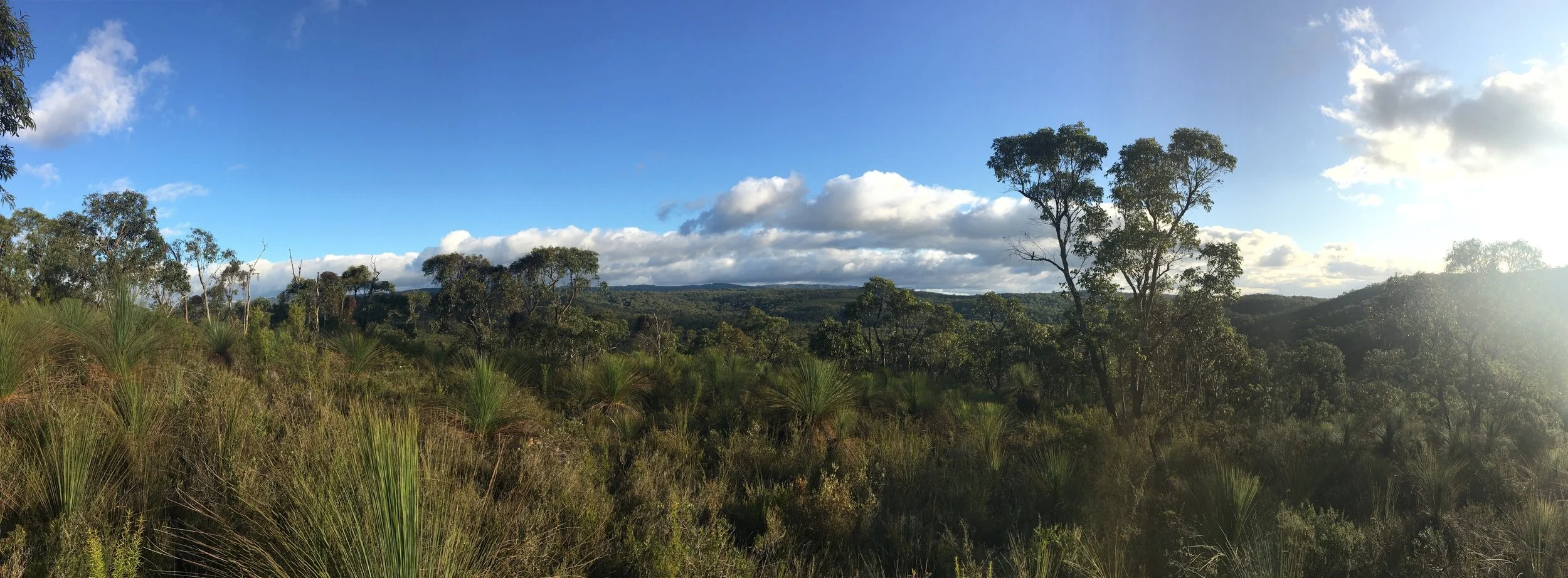
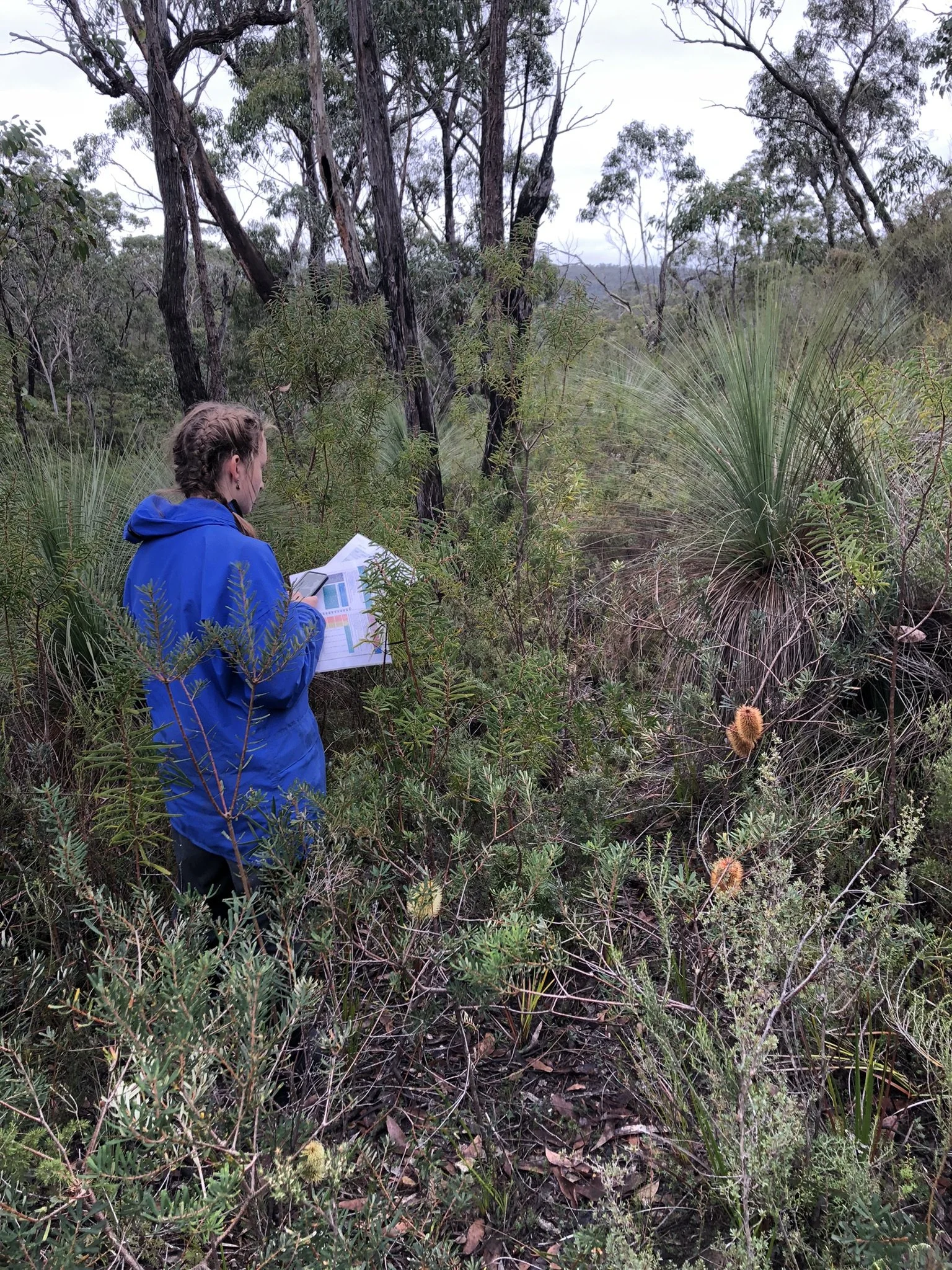
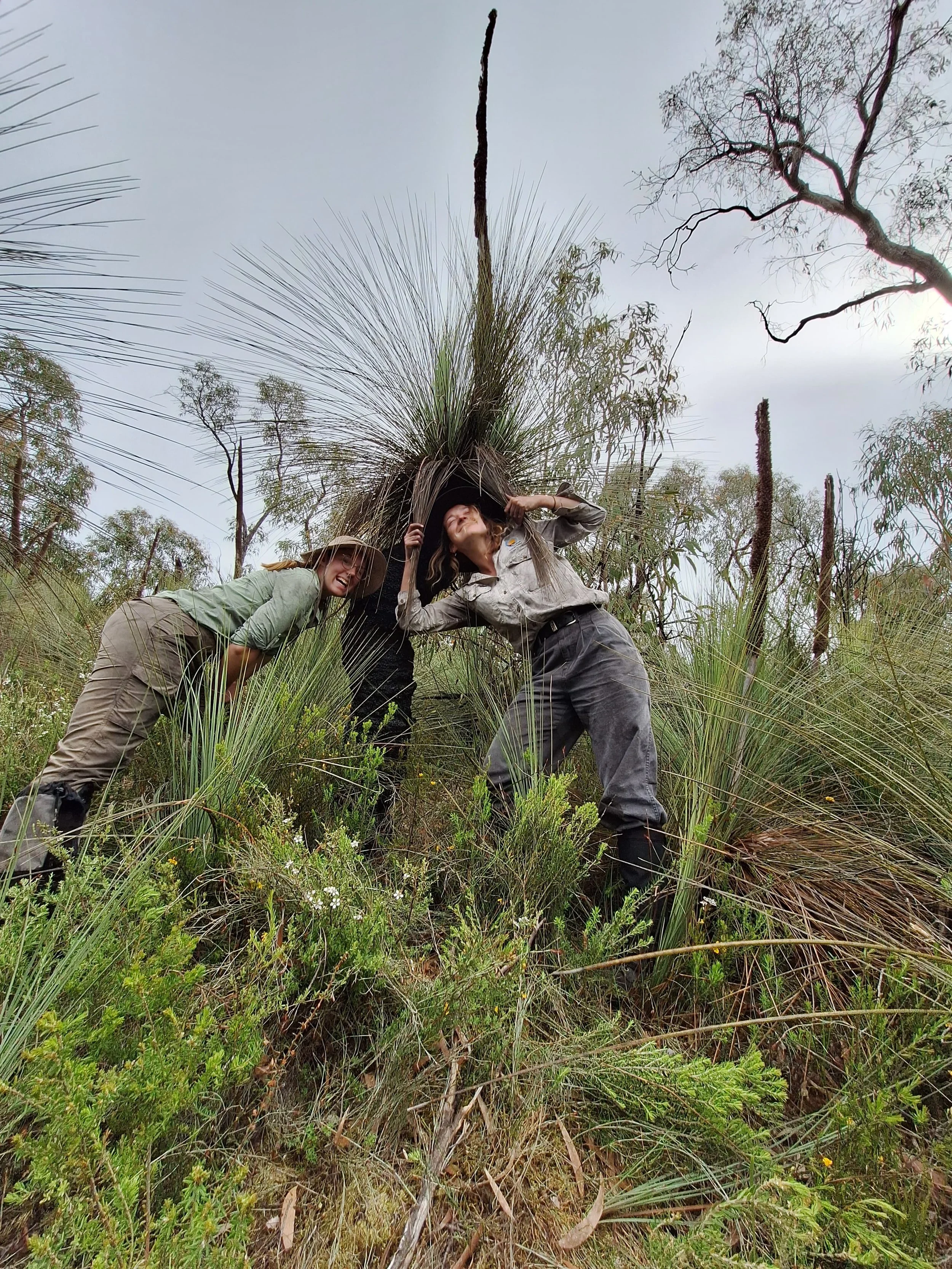
Images of ecologist Tamika Farley-Lehmer working in the Carlisle Heath before the 2026 fires.
