
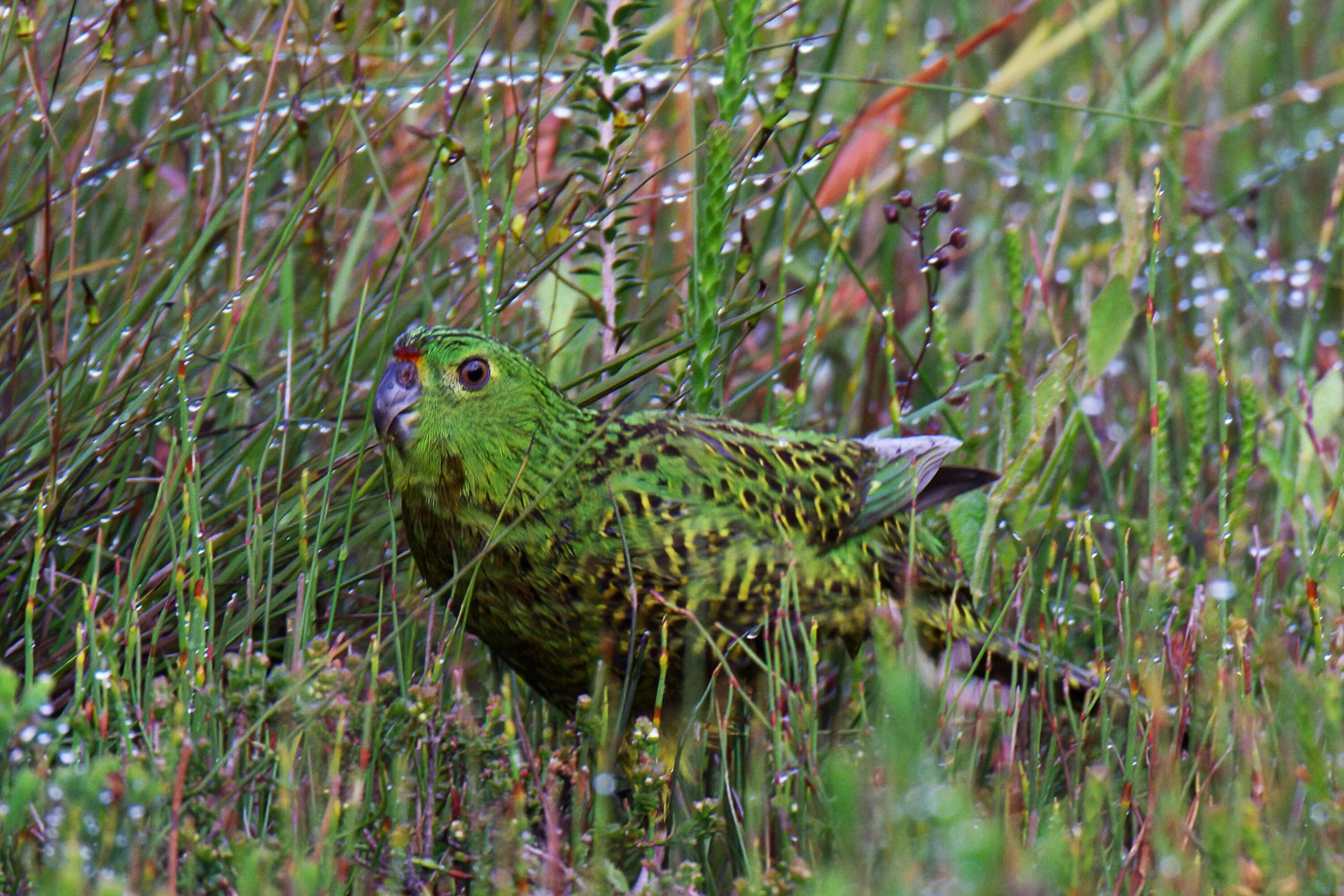
Ground Parrot Country
Otways Landscape Programs > Heathlands > Ground Parrot Country
Project Overview
The Eastern Ground Parrot (Pezoporus wallicus wallicus) has disappeared from wet heathlands in western Victoria, Australia as decades without fire have allowed shrubs to encroach on graminoid-rich habitat. Eastern Maar Aboriginal Corporation hold the vision for restoring Ground Parrot Country.
The Ground Parrot Country project led by Eastern Maar Aboriginal Corporation (EMAC) offers a compelling example of how a biocultural vision can shape long-term ecological and cultural restoration of the parts of the Carlisle Heath identified by ‘Ground Parrot Country’.
The project centres on returning habitat for the critically endangered Ground Parrot to the heathlands of the Otway Plain – and trialling different management techniques, such as mulching, rolling and burning, to achieve this outcome.
How and when the wet heathlands of the Otways burn has changed significantly since European settlement. First with the cessation of indigenous burning practices, and later with the introduction of “prescribed” fire programs, and now with a major bushfire.
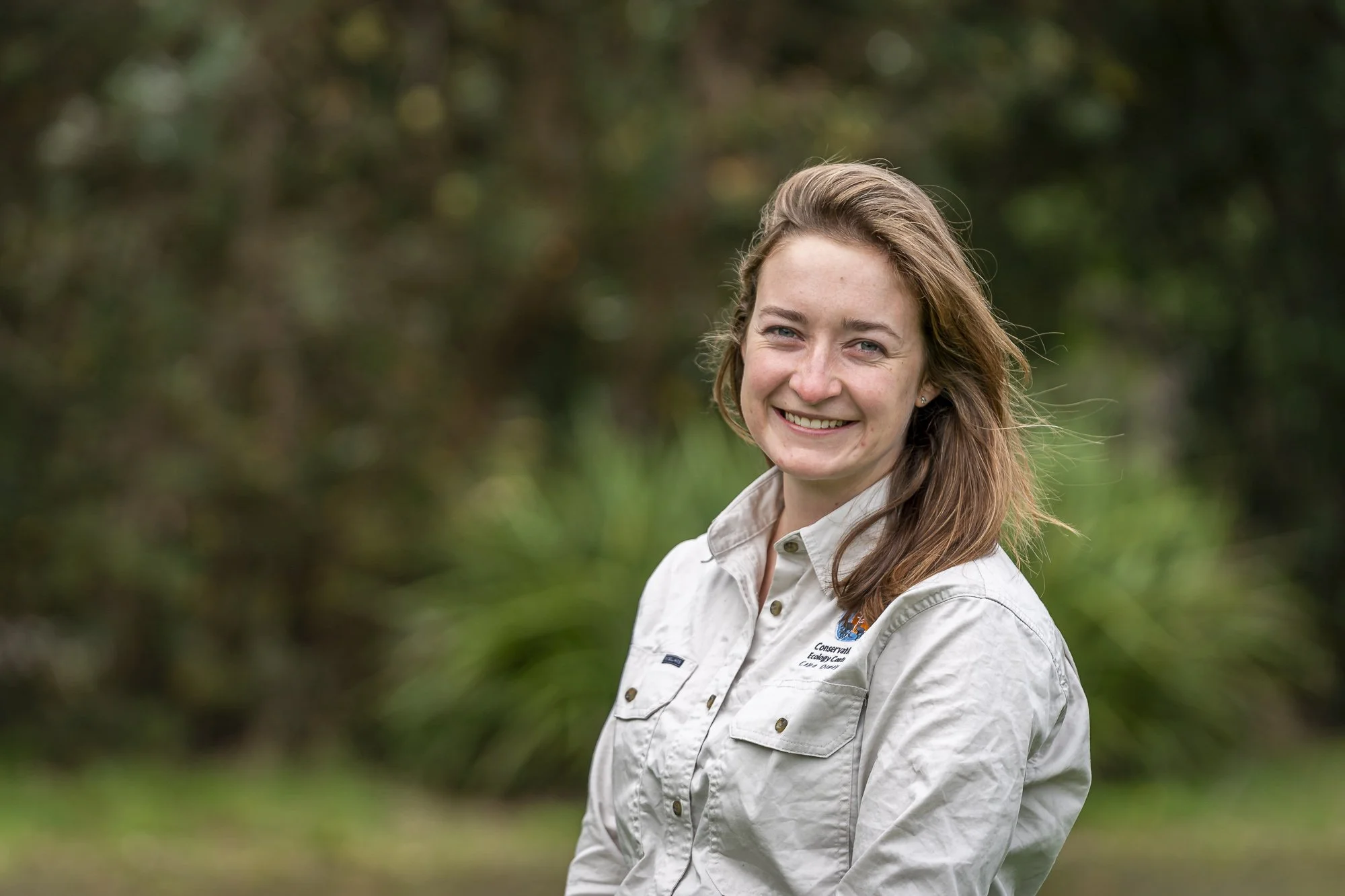
University of Melbourne PhD student, Tamika Farley-Lehmer is studying how these types of fire shape the ecology of the Otways heathlands – and influence what plants and animals live there.
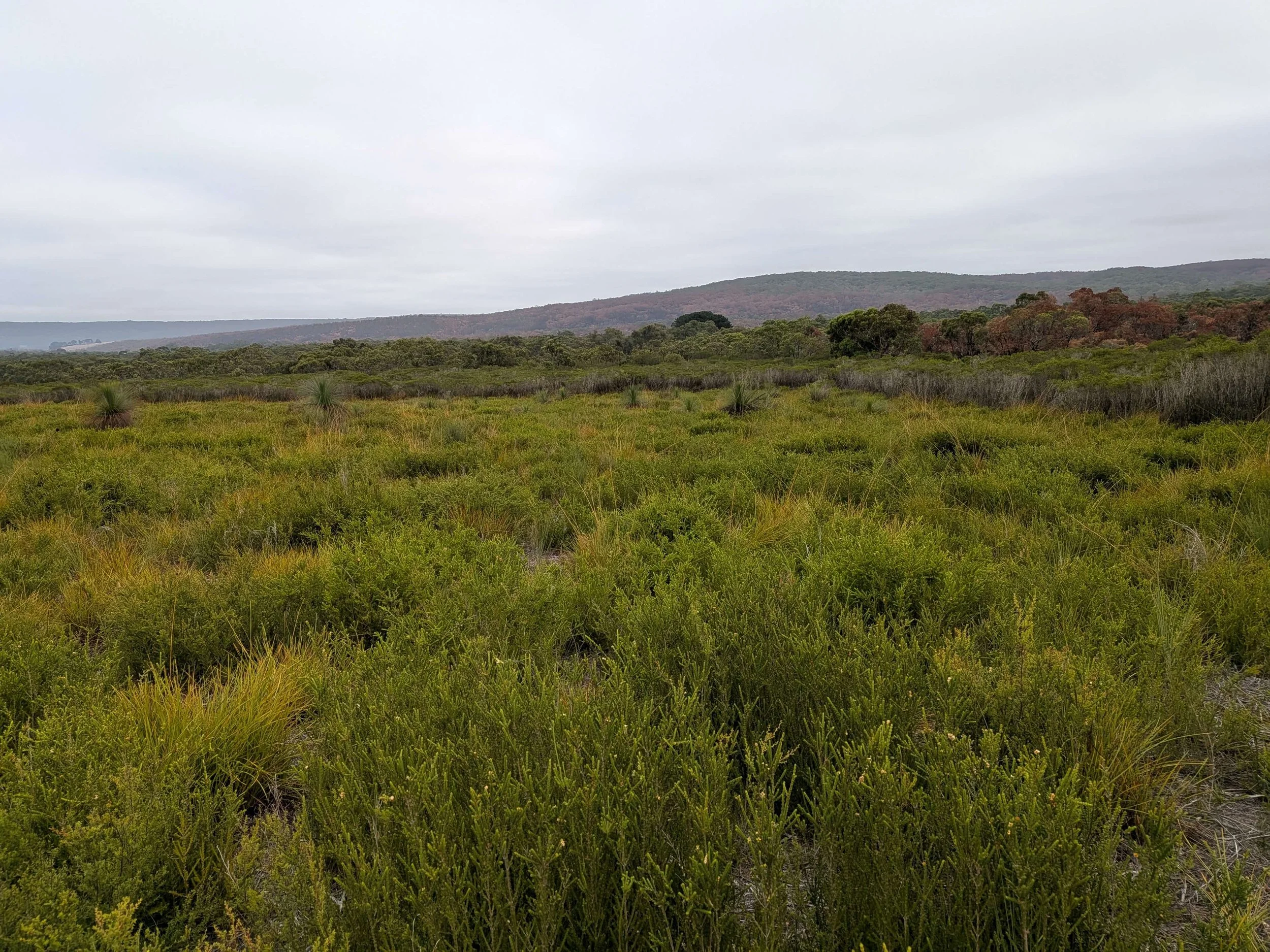
This ecosystem is flammable, and it also recovers well from fire. But there is mounting evidence that the shifted fire cycle from regular fire to extended periods without fire have pushed these heathlands away from open, button-grass-dominated systems and into dense Melaleuca thickets. This change in the bush's architecture has consequences.
While this transition may benefit some species of small mammal, it has also led to the disappearance of the Ground Parrot from this region.
Working in partnership with public land managers, traditional owners, and other scientists, Tamika is using field data and modelling to map how plants and animals respond to fire. Her goal is to provide the data needed to manage fire effectively, while also ensuring the heathlands are healthy.
‘Vision for Ground Parrot Country’ (2025)
“We are on Ground Parrot Country in 2045. We can see over the tops of the plants (most plants are under 1m tall) but a few taller trees and shrubs are scattered around. There are patches of wet heath and patches of dry heath...
“There is a good mix of plants that make seeds the Ground Parrot eats like Button Grass and Grass Trees. The plants are thick enough for Ground Parrots to hide from foxes and other predators.
“All the people who work to care for Ground Parrot Country are connected to each other (no matter what uniform they wear)... Everyone is taking a biocultural approach that recognises the interconnection between ecosystems and human cultures.”
The vision was authored exclusively by EMAC, as an articulation of their cultural obligations to care for this landscape. While deeply rooted in story and relationship, it also provides clear ecological guidance. sets explicit targets for vegetation structure, floristic diversity, predator management, and hygiene protocols (e.g. keeping Phytophthora out of Country).
It shapes the management objectives, defines the desired social context, and prompts development of practical management strategies—including how to use tools like fire to achieve those outcomes over time.
Photo credit: Eastern Ground Parrot, Photographer: PotMart186 (Wikimedia Commons)
collections.museumsvictoria.com.au/species/17514.jpg

News


Videos
Fire to Change an Ecosystem: Can Fire or Mechanical Disturbance Restore Ground Parrot Country?
Otways Ecological Research Forum 2026
Tamika Farley-Lehmer, The University of Melbourne & Conservation Ecology Centre
Developing a Vision for Ground Parrot Country
Otways Ecological Research Forum 2025
Laura Prentice & Leilani Clark, Eastern Maar Aboriginal Corporation (EMAC)
Can Winter Burning Help Prevent Shrub Encroachment?
Otways Ecological Research Forum 2024
Tamika Farley-Lehmer, University of Melbourne & Conservation Ecology Centre
Developing a Vision for Ground Parrot Country
Otways Ecological Research Forum 2024
Jesse Ellis, Federation University & Conservation Ecology Centre
Partners & Supporters
This project is a collaboration between the Department of Energy, Environment and Climate Action (DEECA), the Conservation Ecology Centre and the University of Melbourne. It is guided by, and is intended to inform, Eastern Marr Aboriginal Corporation’s (EMAC) Vision for Ground Parrot Country.