Small mammals and fire in the Carlisle
Otways Landscape Programs > Heathlands > Small mammals and fire in the Carlisle
Project Overview
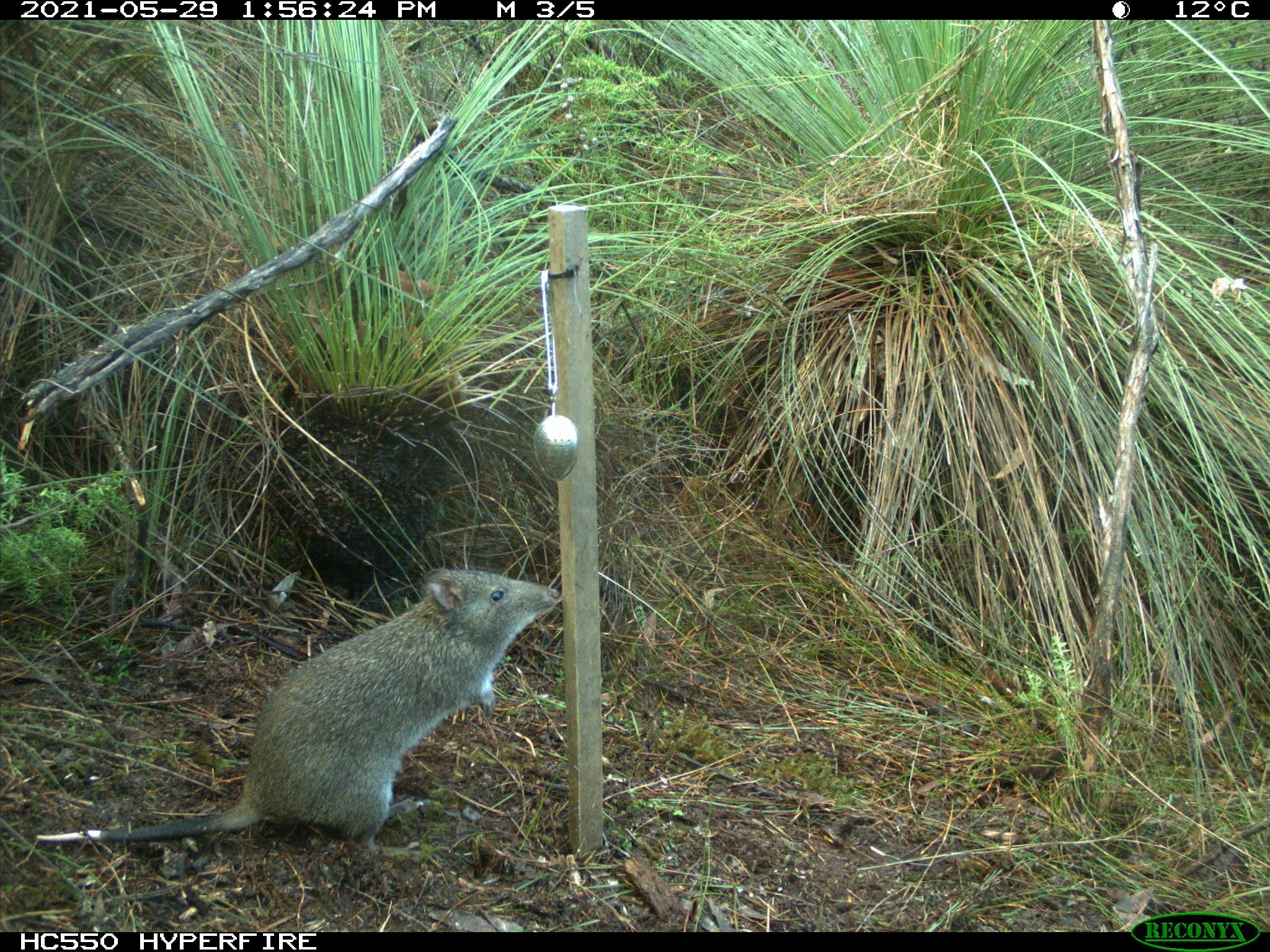
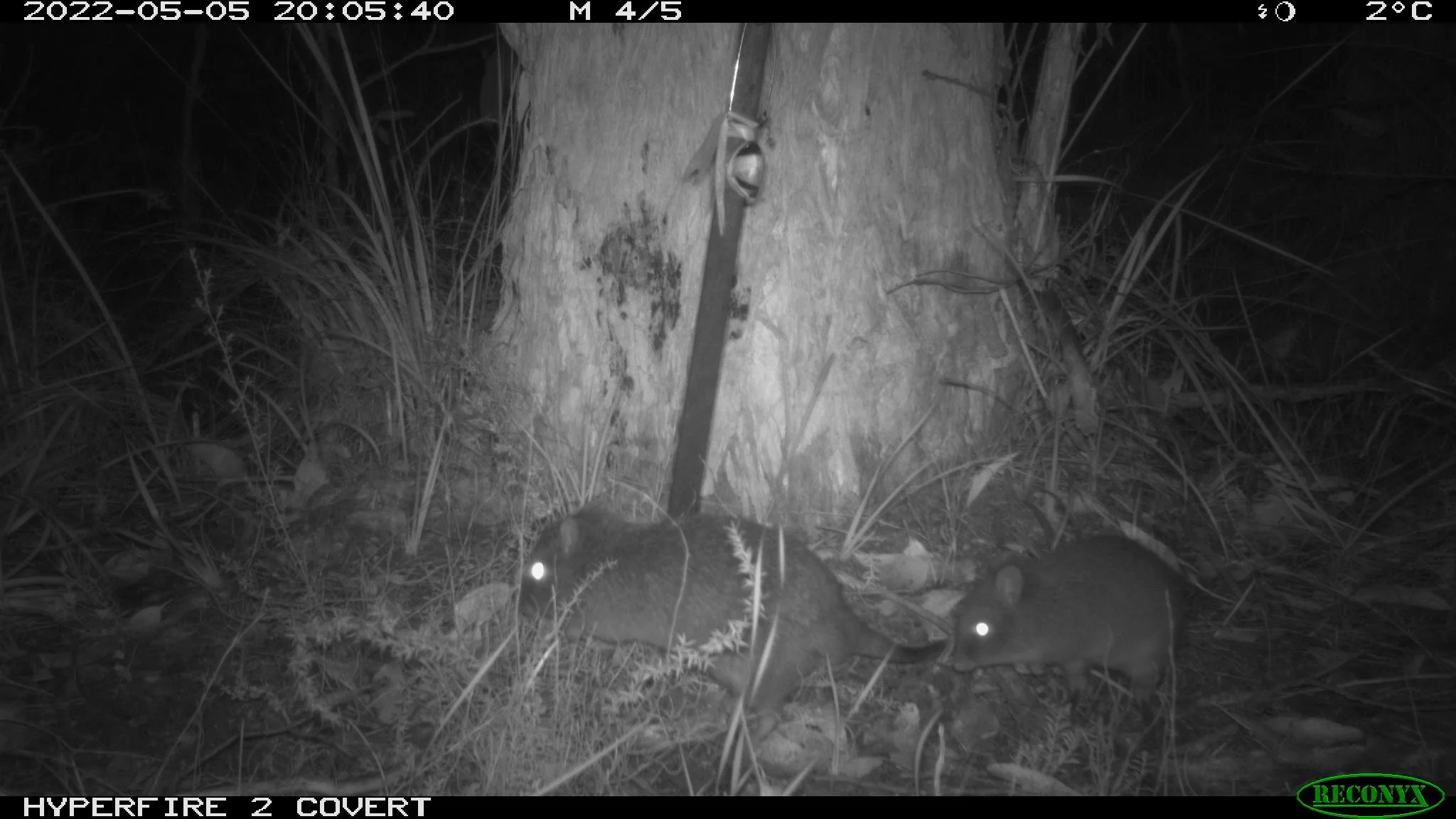
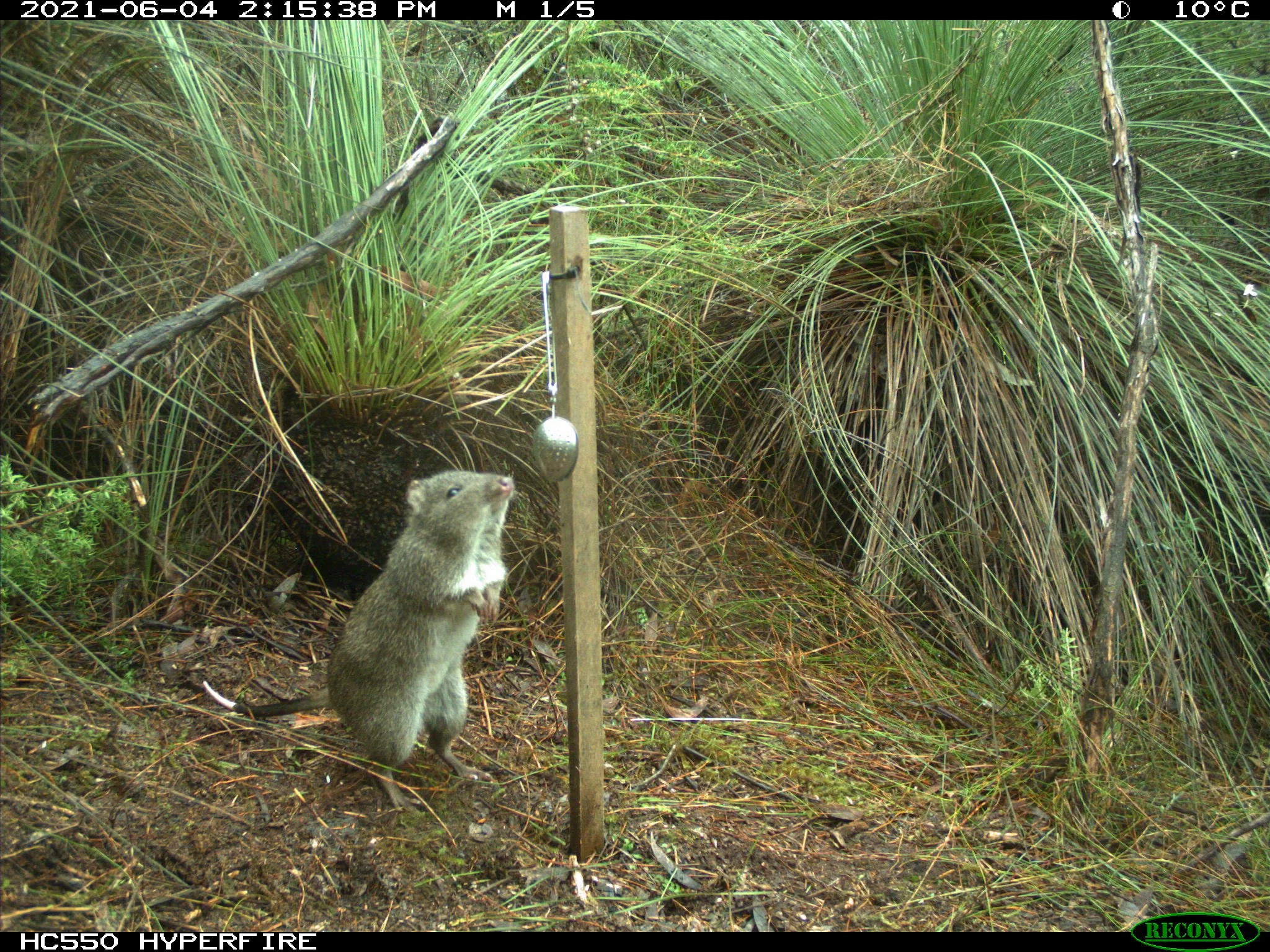
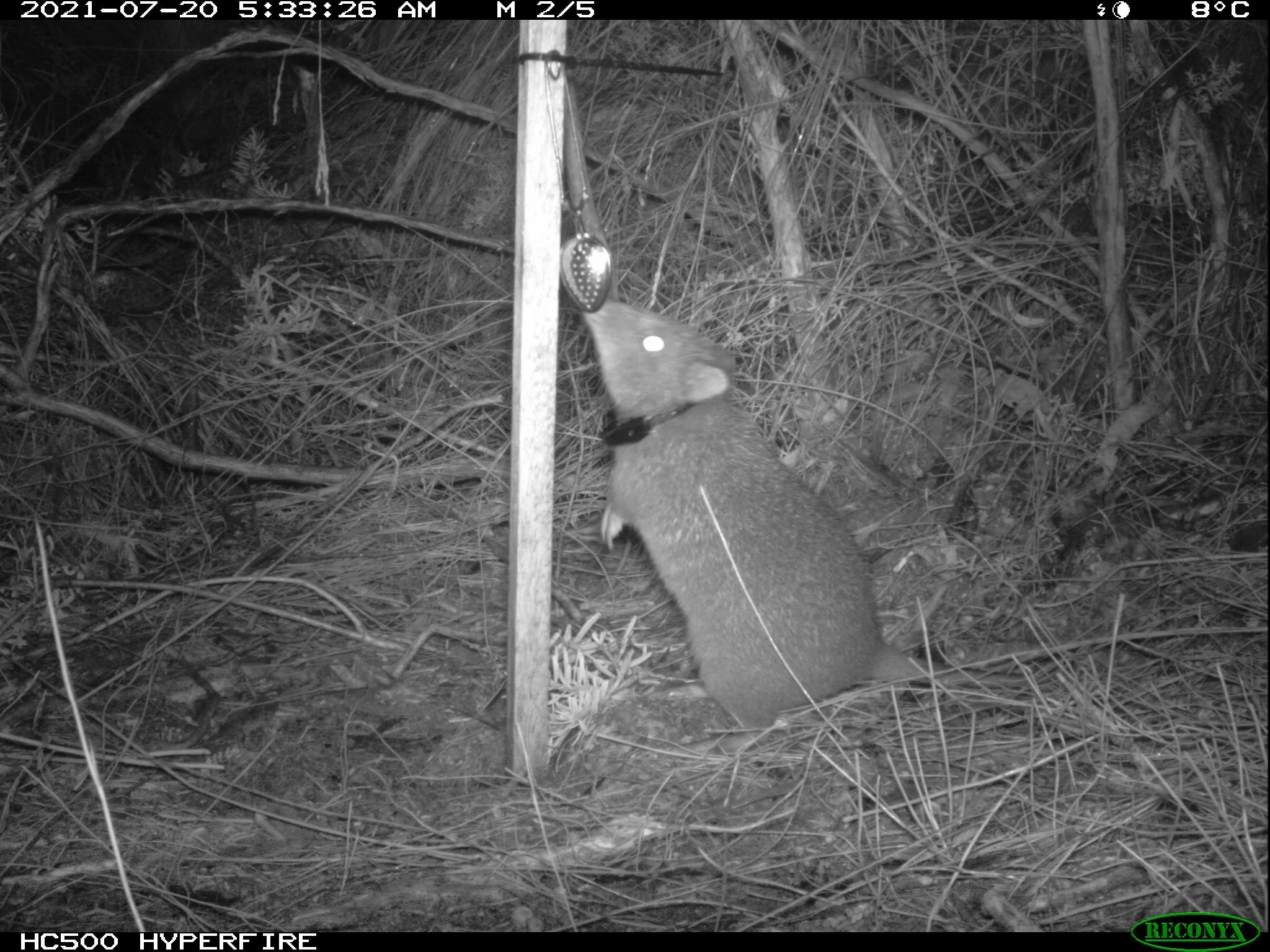
In 2021, PhD student Mark le Pla deployed remote monitoring cameras at 120 sites across the Carlisle Heathlands to study how mammals were using and moving though this heathland before and after a prescribed “planned burn”.
In 2026, a major bushfire impacted the same area, giving us the opportunity to also study the impact of bushfire on Long-nosed Potoroos, other small mammals and feral animals in the Carlisle Heath.
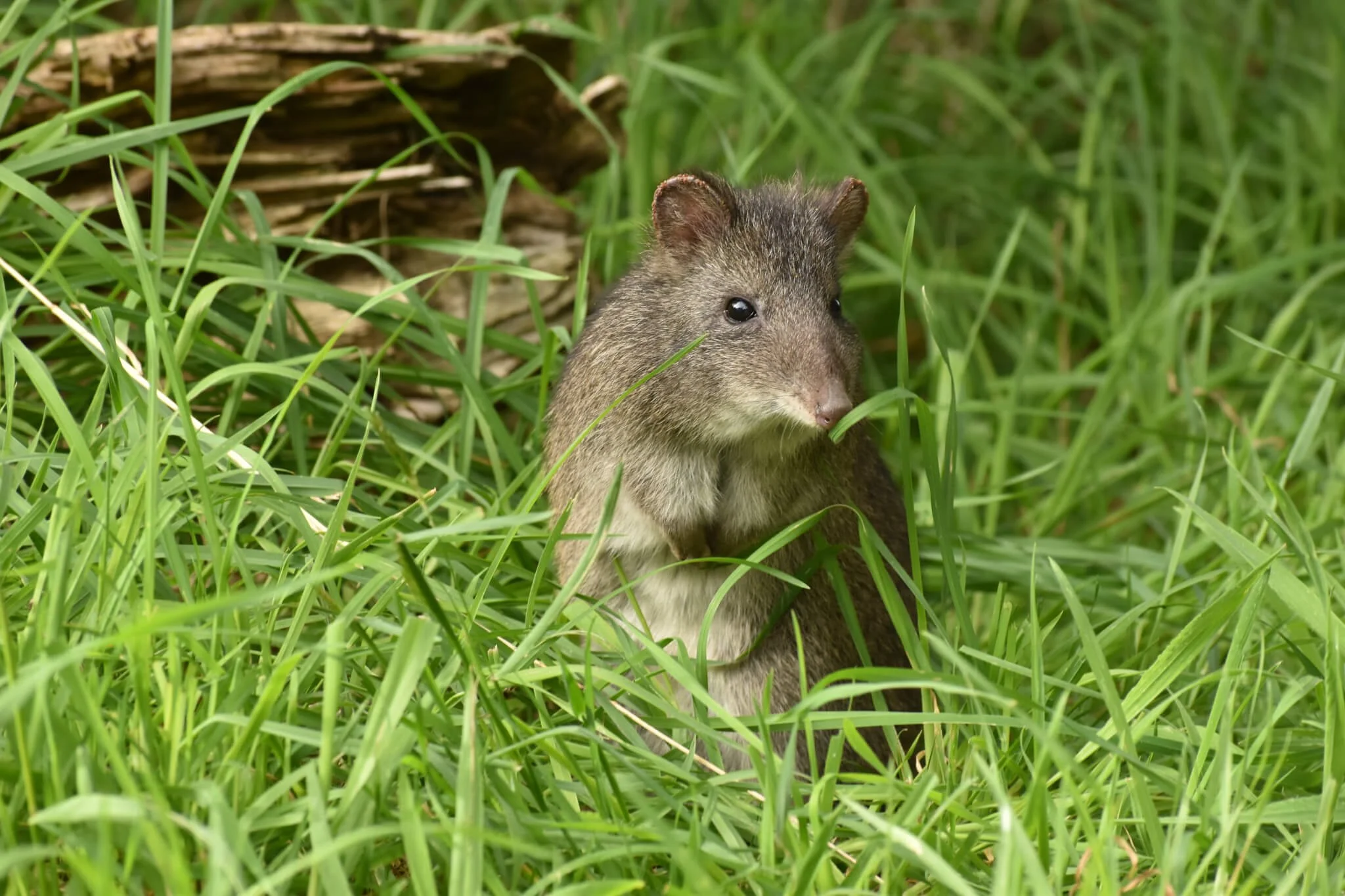
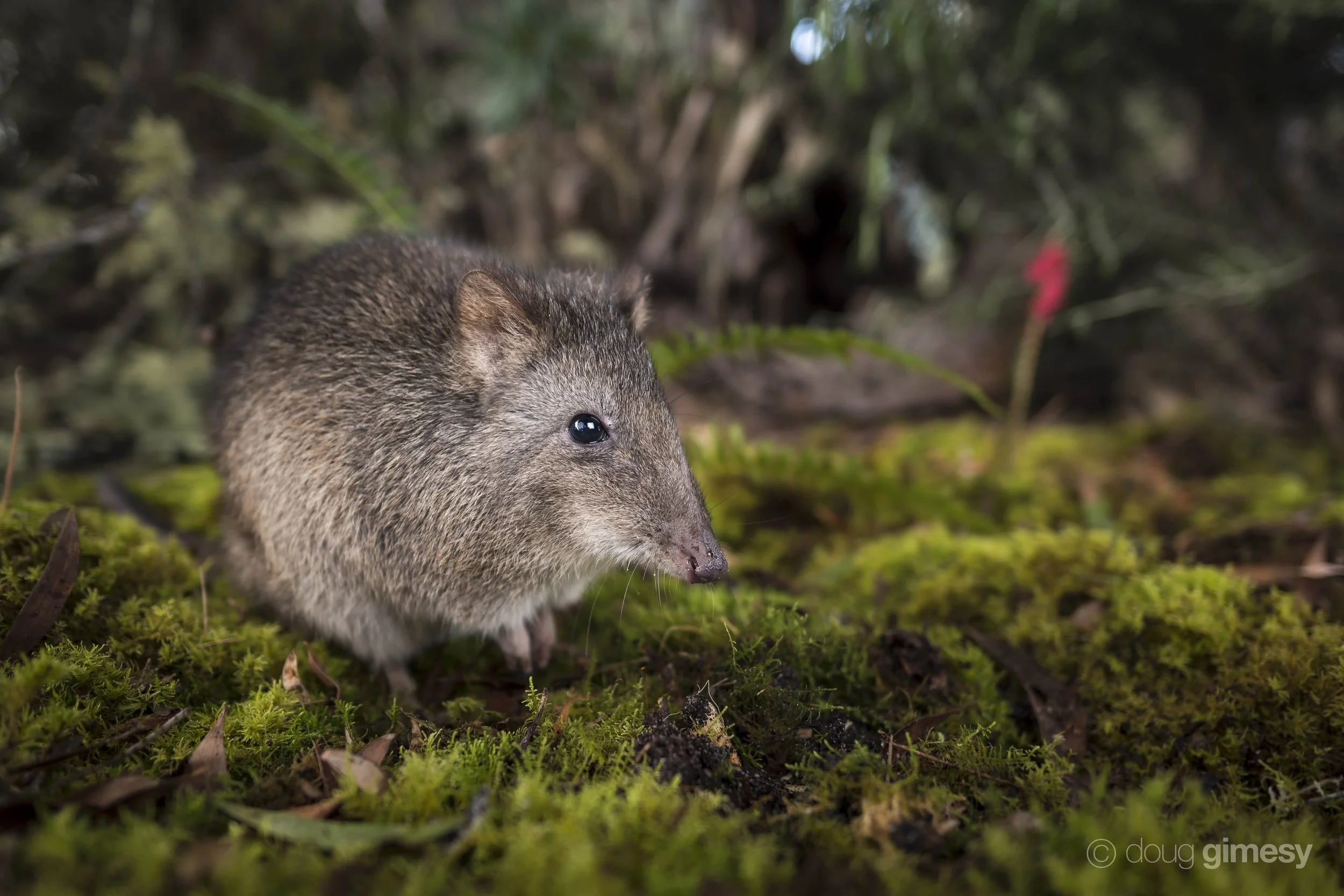
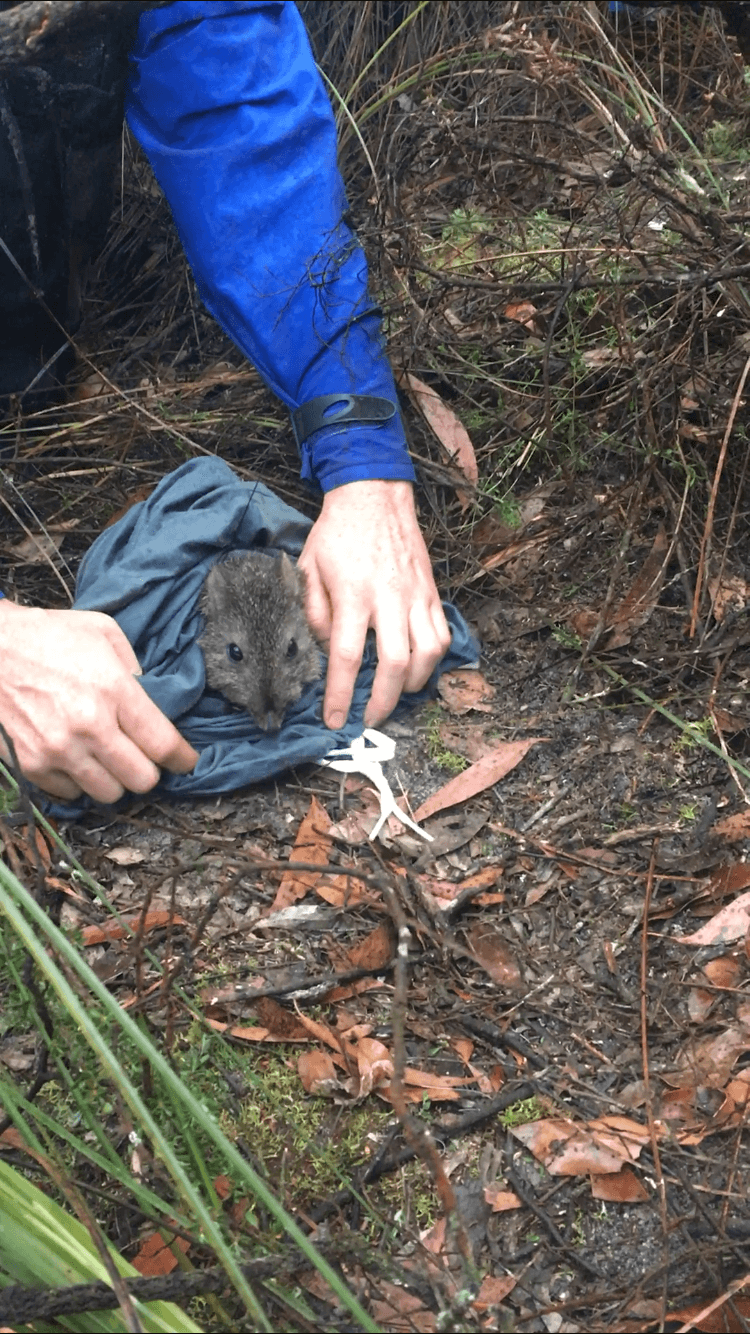
In addition to the cameras, Mark also tracked Long-nosed Potoroos with GPS collars. He found the Long-nosed Potoroos in the Carlisle Heath were able to persist in the landscape after a planned burn, so long as the burn was patchy enough to leave enough vegetation to protect the potoroos from predation by foxes and cats.
The question we are now trying to answer is what happens after a bushfire.
We redeployed cameras at all 240 sites – half of which had been burned in the bushfire and half not. This gives us a solid control to study what the population is like in both the burned and unburned areas and compare this to the baseline data collected by Mark in his PhD.
Initially we will use the data to study how small mammal occupancy and activity have been impacted at each site. We can also report on the prevalence of predators, with the intent of informing appropriate management action
The cameras will also be redeployed every 12 months for the next three years to monitor small mammal recovery trends, with the intent of informing appropriate post-fire management actions to aid small mammal recovery.
News
Videos
Understanding Mammal Assemblages in the Carlisle Heathlands Following the Otway Complex Bushfires
Otways Ecological Research Forum 2026
James Templeton, Conservation Ecology Centre
Predators, Prey and Fire in the Carlisle, a PhD Odyssey
Otways Ecological Research Forum 2024
Dr Mark Le Pla, Conservation Ecology Centre & University of Melbourne
Describing the response of predators and prey to fire in a biodiverse heathland
Otways Ecological Research Forum 2023
Dr Mark Le Pla, Conservation Ecology Centre & University of Melbourne
Influence of fire on Long-nosed Potoroos in the Carlisle Heath
Otways Ecological Research Forum 2022
Stephanie Stylli, University of Melbourne
How do Long-nosed Potoroos respond to fire?
Otway Threatened Species Research Forum 2021
Dr Mark Le Pla, Conservation Ecology Centre & University of Melbourne
Influence of prescribed fire on the density of long-nosed potoroos in the Carlisle Heath
Otways Ecological Research Forum 2023
Dr Bronwyn Hradsky, The University of Melbourne.
Describing the response of predators and prey to fire in the Carlisle Heath
Otways Ecological Research Forum 2022
Dr Mark Le Pla, Conservation Ecology Centre & University of Melbourne
How does the mammal community respond to fire in the Carlisle?
Otway Threatened Species Research Forum 2021
Dr Mark Le Pla, Conservation Ecology Centre & University of Melbourne
Partners & Supporters
Thank you to The University of Melbourne, Parks Victoria, Forest Fire Management Victoria, and the Corangamite Catchment Management Authority for their support of this work.
We also gratefully acknowledge funding from the Ian Potter Foundation, Australian Government’s Wild Otways Initiative, the Hermon Slade Foundation, Natural Resources Conservation Trust, and our generous CEC donors.