Protecting Tall Astelia in the Wet Forests
Otways Landscape Programs > Forests & Woodlands > Protecting Tall Astelia in the Wet Forests
Project Overview
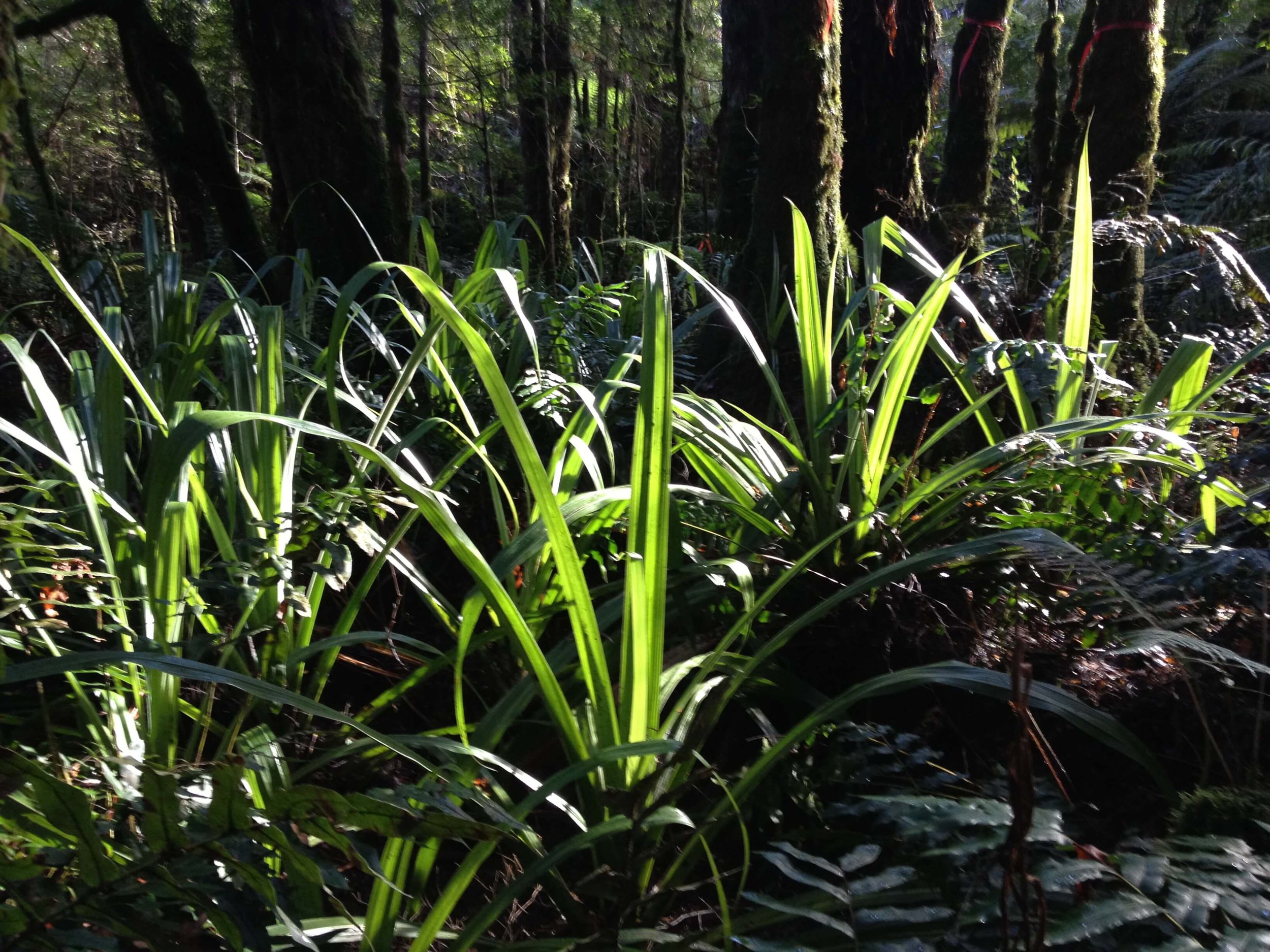
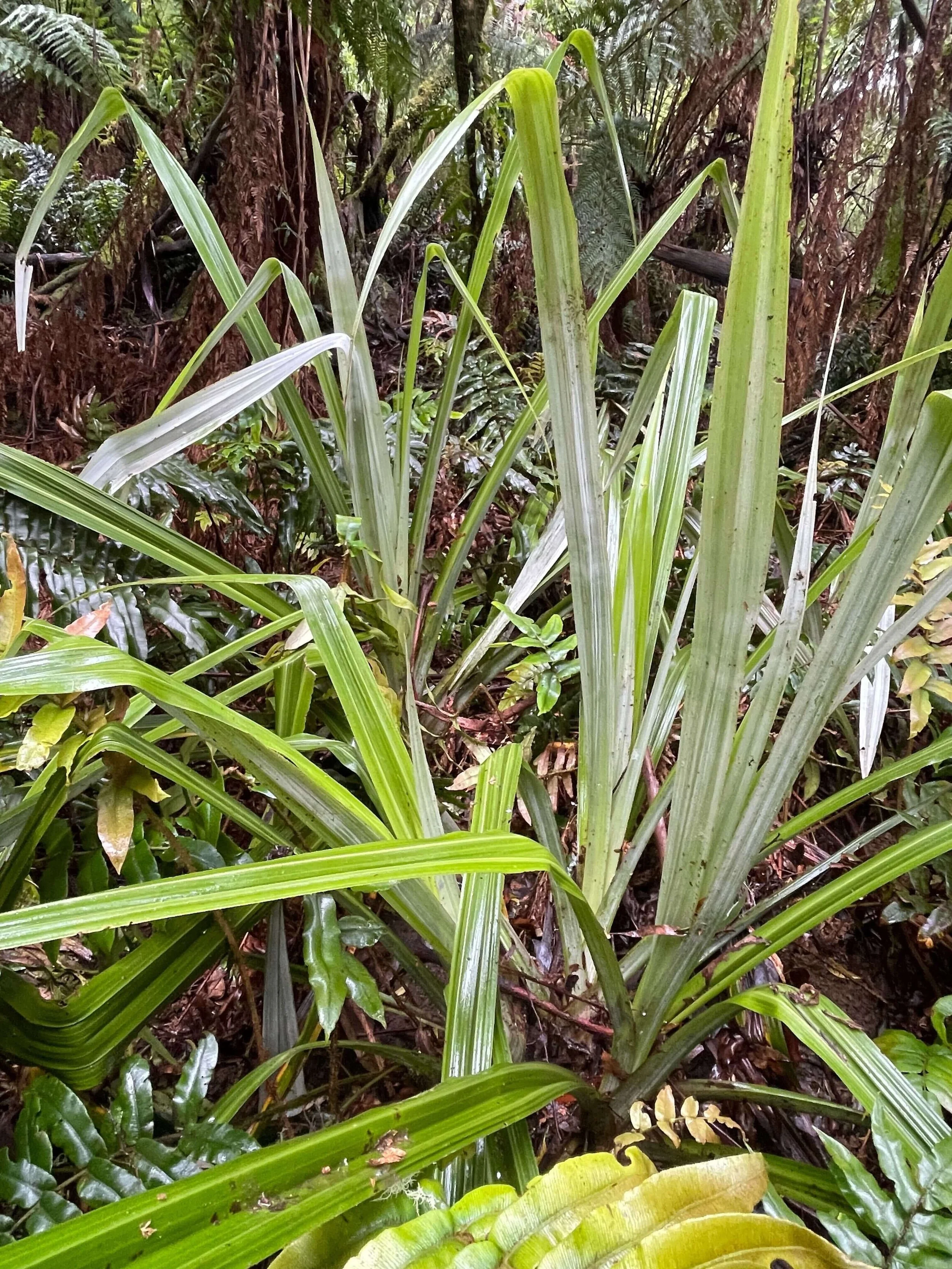
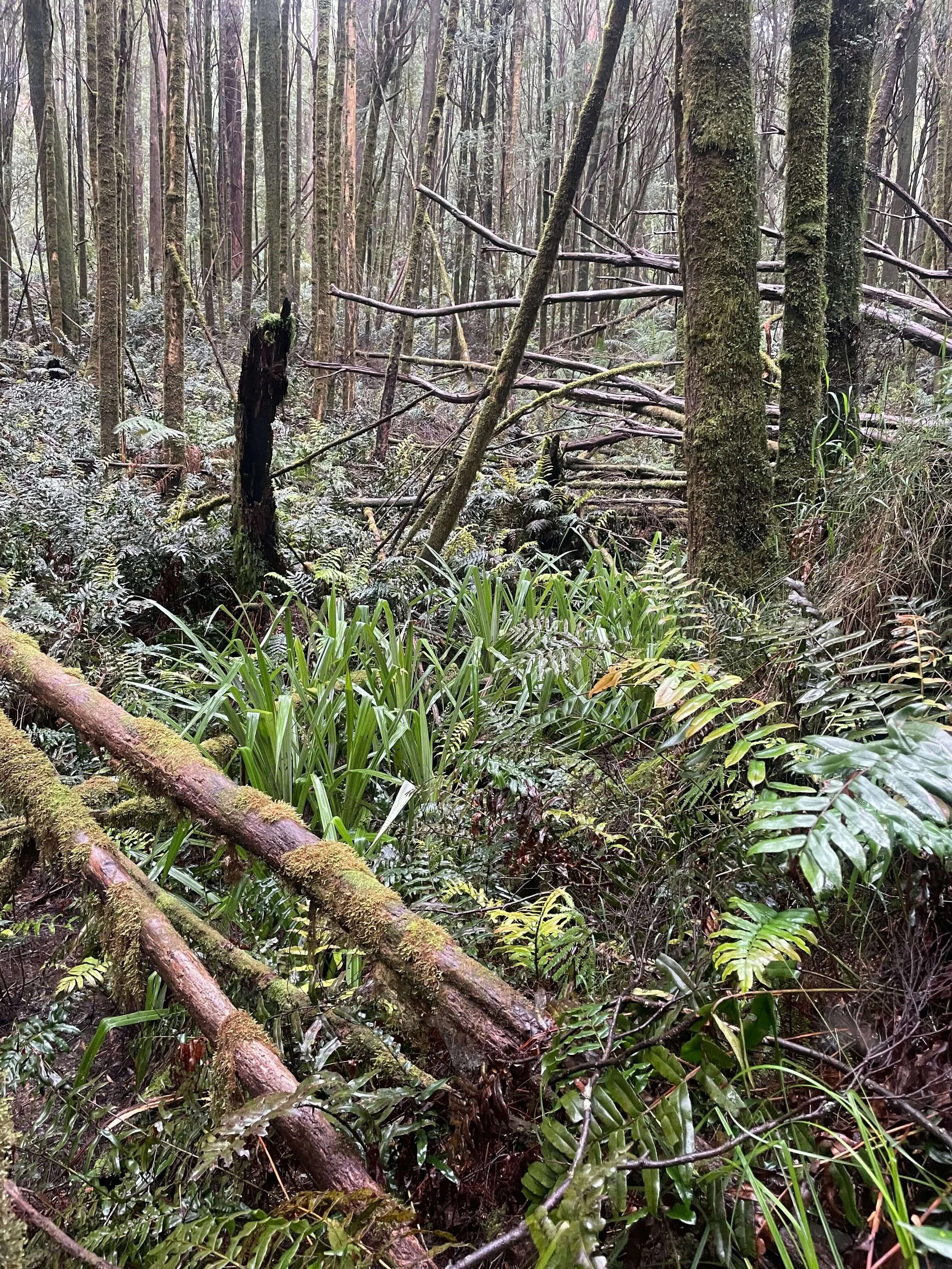
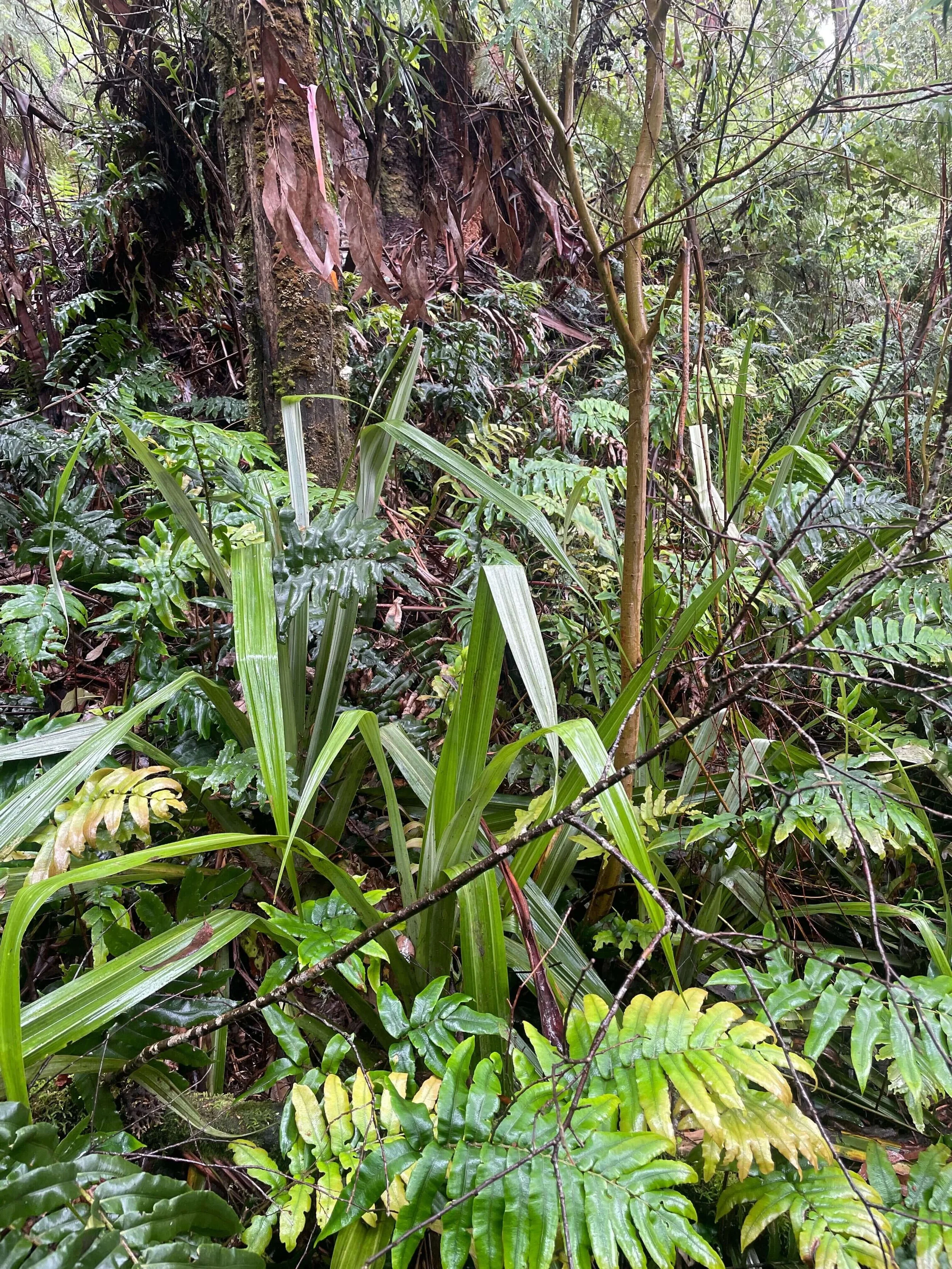
Tall Astelia (Astelia australiana) is a threatened herb which is only known from 15 sites in cool temperate rainforests and riparian thickets in the Central Highlands and Otway Ranges of Victoria.
In the past 20 years numbers of the species have halved, and it is previously known to occur in one location in the Otways. This decline has been attributed to disease (such as Phytophthora spp.), deer and wildfire. Access to light is also crucial to Tall astelia, which require canopy gaps to breed and grow, and the biggest threat to population growth is the limited amount of light available in its preferred habitat.
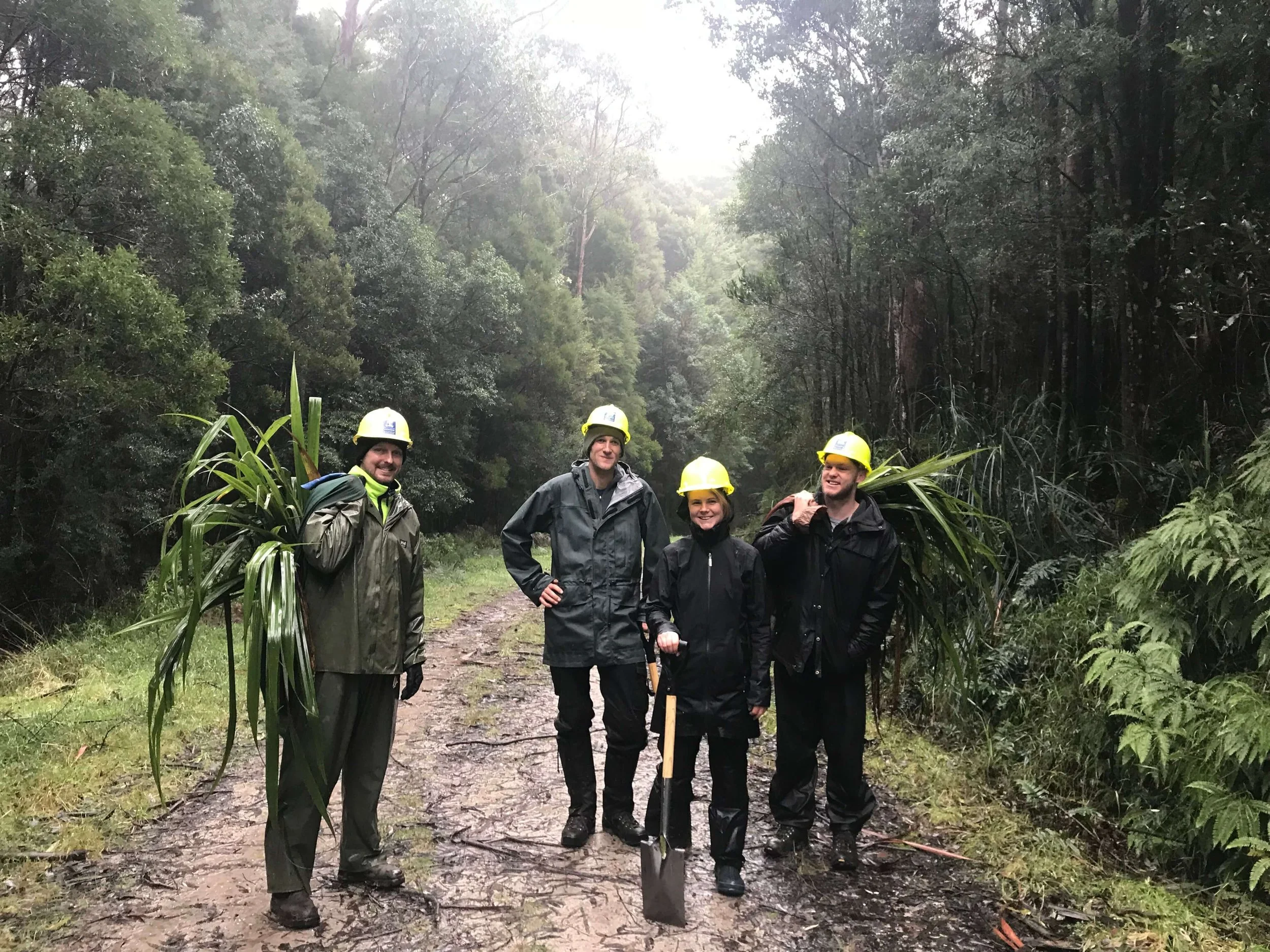
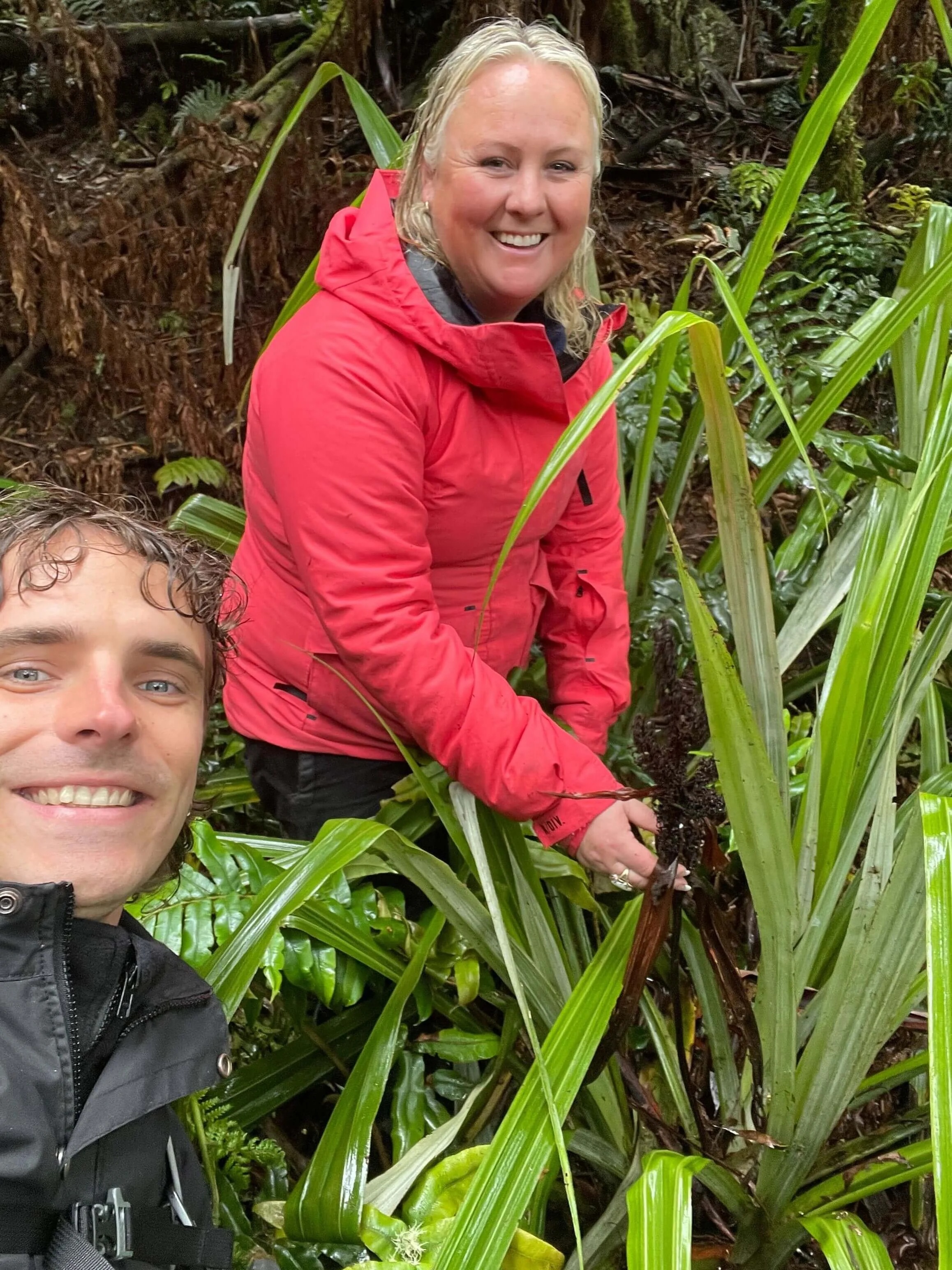
In 2018, we worked with Linda Parker from the University of Melbourne to move 54 individual plants from the one known location in the Otways to new ones and were thrilled that around 80% of them survived the translocation and have begun establishing in their new homes.
The Department of Environment, Land, Water and Planning (DELWP) also supported the translocation of a further 200 plants. As a result, we now have three new populations, including one in the Otway Ranges.
The researchers will now undertake genetic analysis to determine the genetic diversity and gene flow between these populations. This research will then be used to inform future translocation and conservation management of this species.
News
Coming soon.
Videos
Coming soon.
Partners & Supporters
This work is a collaboration between the University of Melbourne, Conservation Ecology Centre, Foundation for Australia’s Most Endangered Species, and the Royal Botanic Gardens Melbourne.