From coastal monitoring to conservation action
Help us move our Otways Marine Ecosystem Resilience initiative (OMER) from coastal monitoring to a program of deeper science and conservation action.
Stand at the edge of the Otways coast at dusk, overlooking Bass Strait and the Great Southern Ocean, and it's hard to believe anything could be wrong.
Pristine beaches with frequent whale sightings. A new breeding colony of seals basking on the reef near Apollo Bay. The Southern Ocean: dramatic blues, dynamic, apparently boundless.
But the data tells us a different story.
We have also now gathered data - about the current health and threats of subtidal and intertidal ecosystems, about species presence and absence. At our 12 monitoring sites, we now have a baseline for detecting change over time – which is perhaps the most important readout when you're trying to protect an ecosystem.
The priorities our data is already pointing to include:
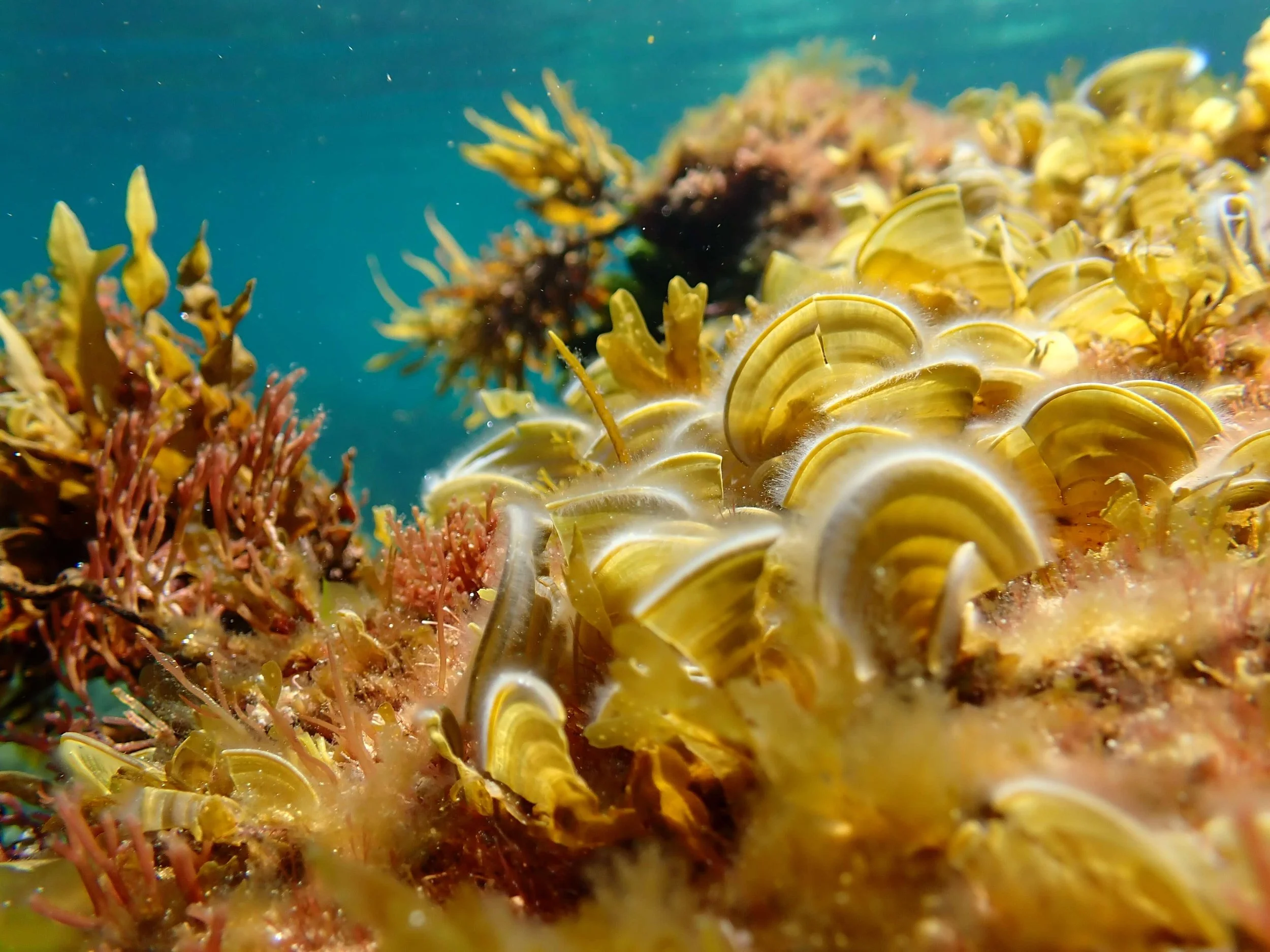
〰 the resilience of kelp forests to storm surges and warming waters
〰 the ecology of the new breeding seal colony at Apollo Bay
〰 freshwater eel populations in Otway coast waterways
〰 the management of seagrass meadows in fragile coastal estuaries.
Make a tax-deductible gift before 30 June and help us move from monitoring to action - for this coast, and the communities who care for it.
From a handful of sites to a coastline watched over
The communities who live and know these waters are instrumental in watching over them.
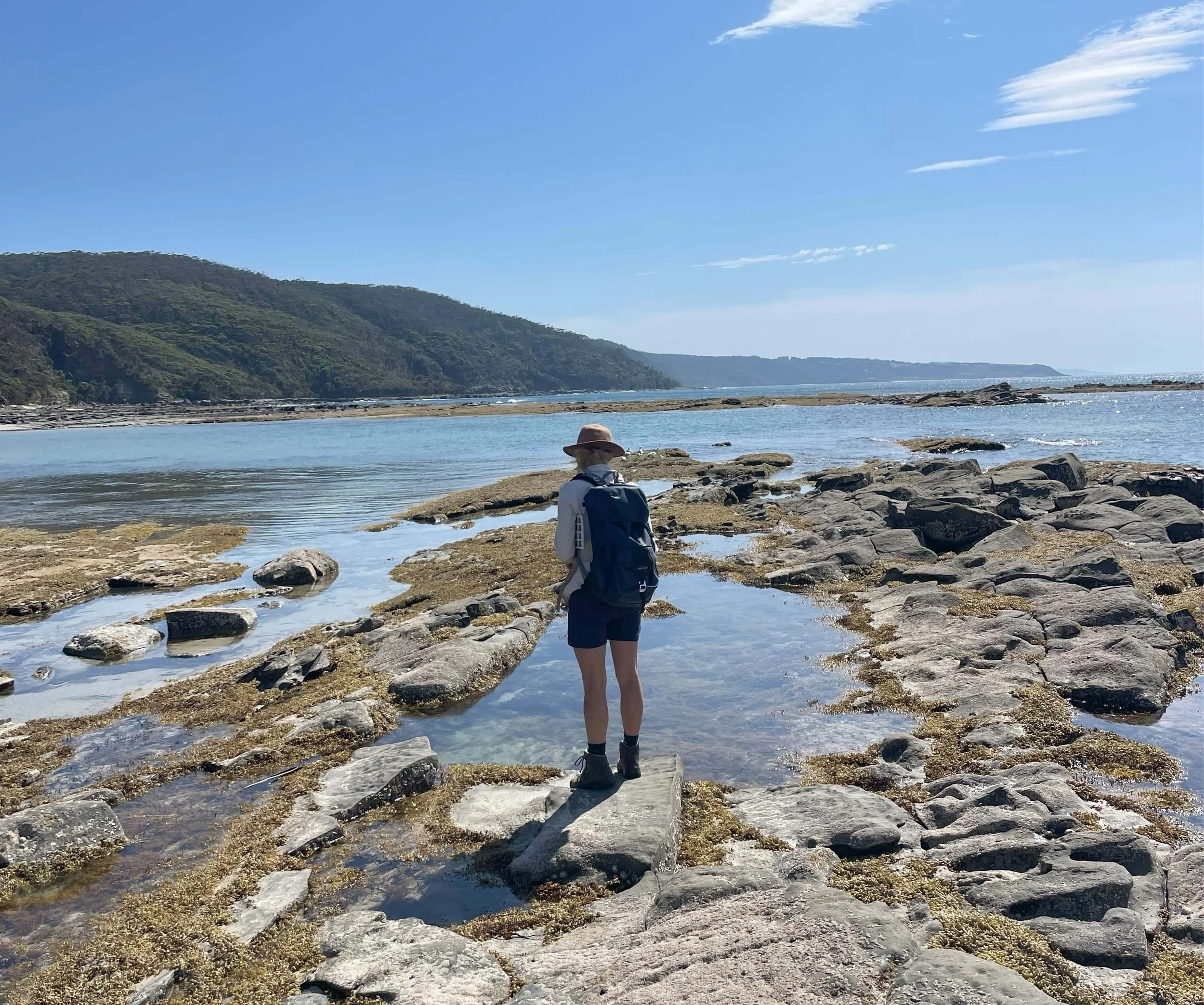
What began with a handful of pilot monitoring sites in 2024 has grown to 12 sites, with funding now secured to expand to a comprehensive network of 20, spanning the full breadth of Eastern Maar Sea Country: from giant kelp forests in Warrnambool, to the rocky reefs off Cape Otway, to the intertidal systems in Lorne that few scientists have studied and fewer still protect.
Through our partnership with Eastern Maar and Otway Ocean Care, we have established a passionate, trained community of citizen scientists who no longer just love this coast – they actively study it.
Phase 1 is complete. Now we move to research and stewardship.
We're asking you to make a tax-deductible gift to help turn that data into action – filling knowledge gaps, springboarding research, and resourcing the communities to care for this coast.
Can you to take the next step with us?
Data alone won't save an ecosystem.
It doesn't protect a seagrass meadow from agricultural runoff, or a favourite swimming beach from an algal bloom. It doesn't help a community respond when a familiar species disappears from a reef they've snorkelled since childhood. It doesn't, by itself, change anything.
What changes things is people - with the right knowledge, the right relationships, and the passion to act.
Phase 2 of OMER is about filling the knowledge gaps our monitoring has revealed, so that the people who already know and care for this coast have the science they need to act.
Our ecologists and citizen scientists will interrogate the monitoring data, identify the gaps, and lead targeted research alongside university partners.
That science will then come to the same table as community knowledge - building place-based stewardship plans that coastal communities will own and drive.
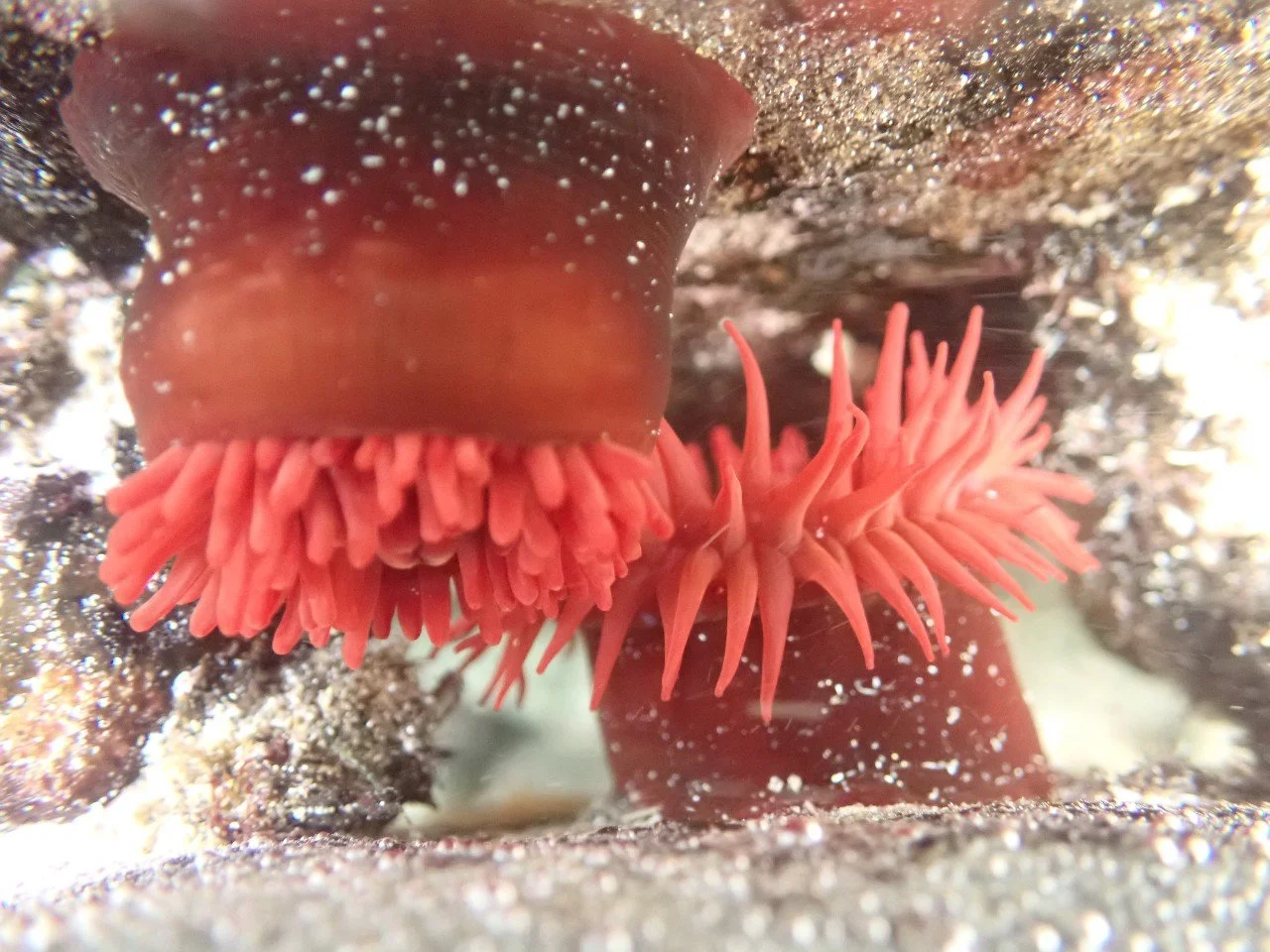
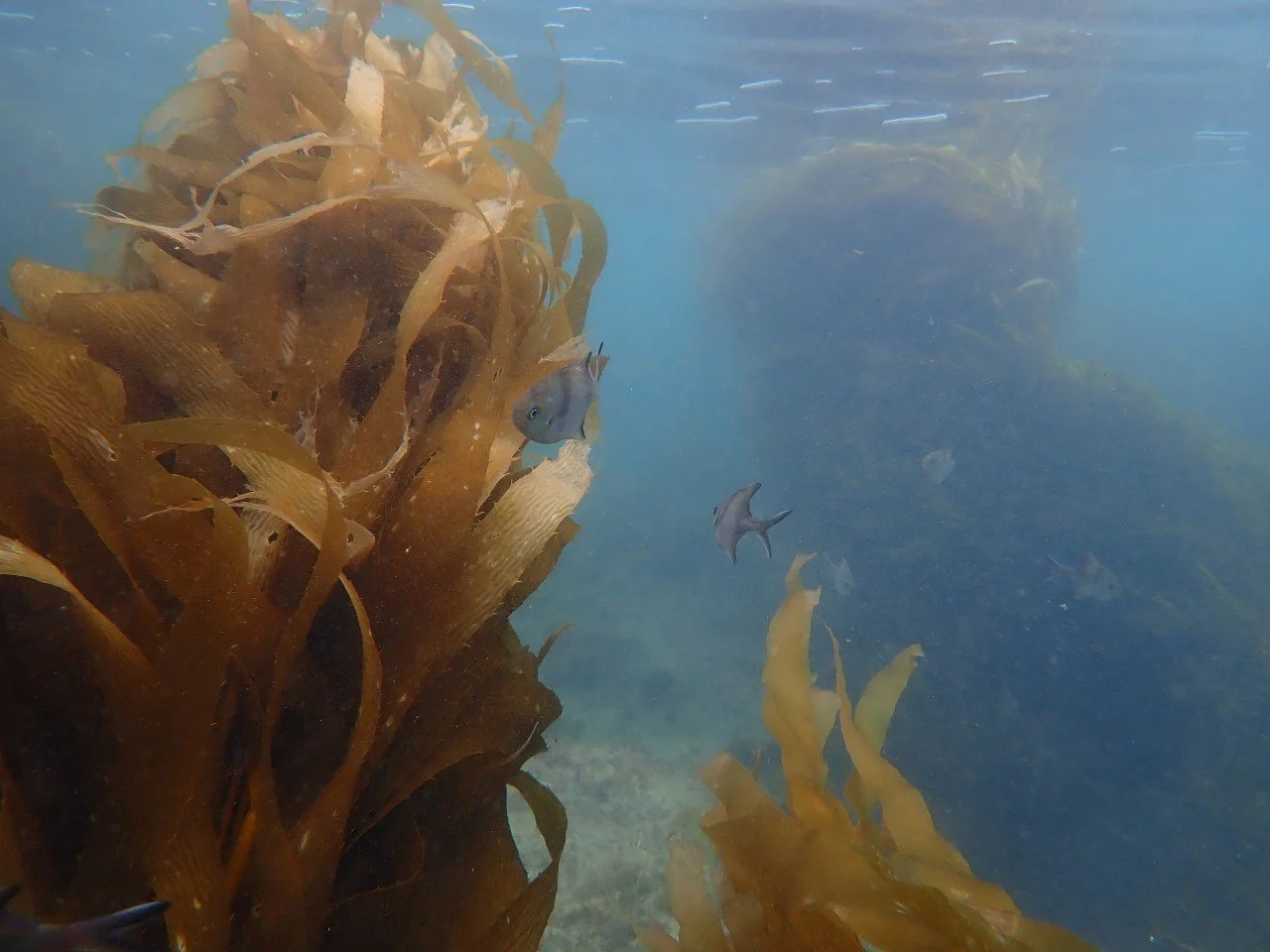
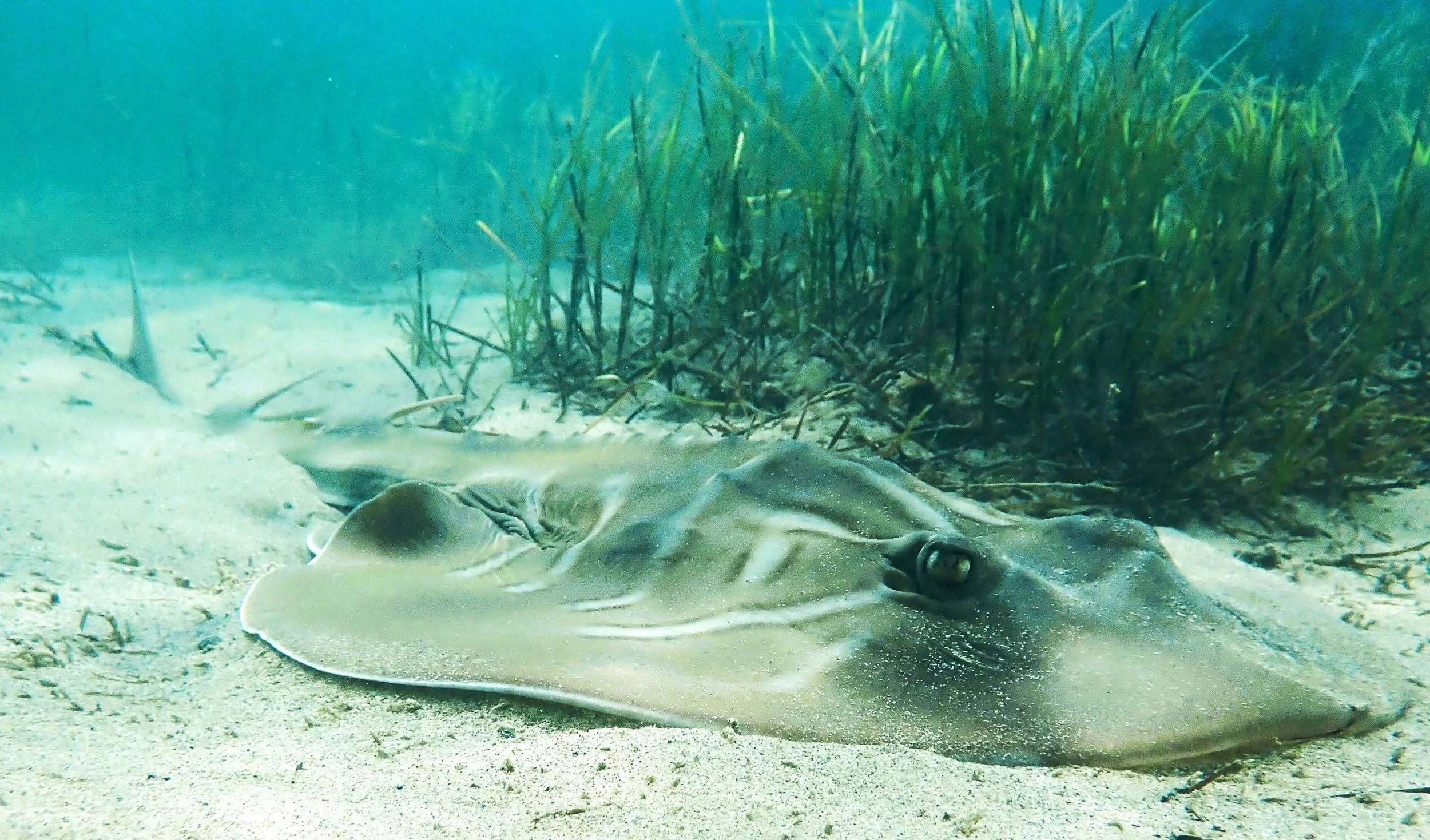
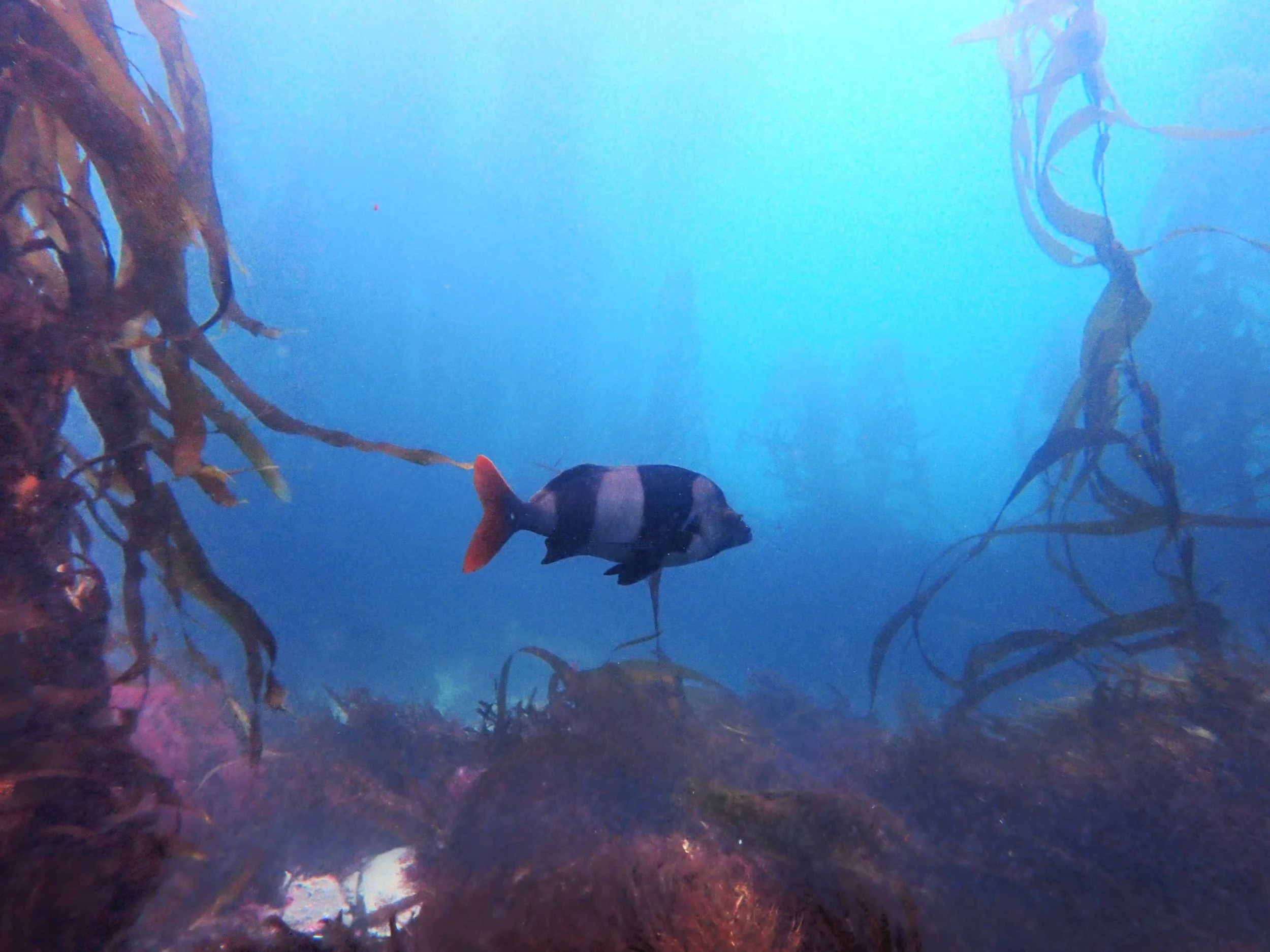
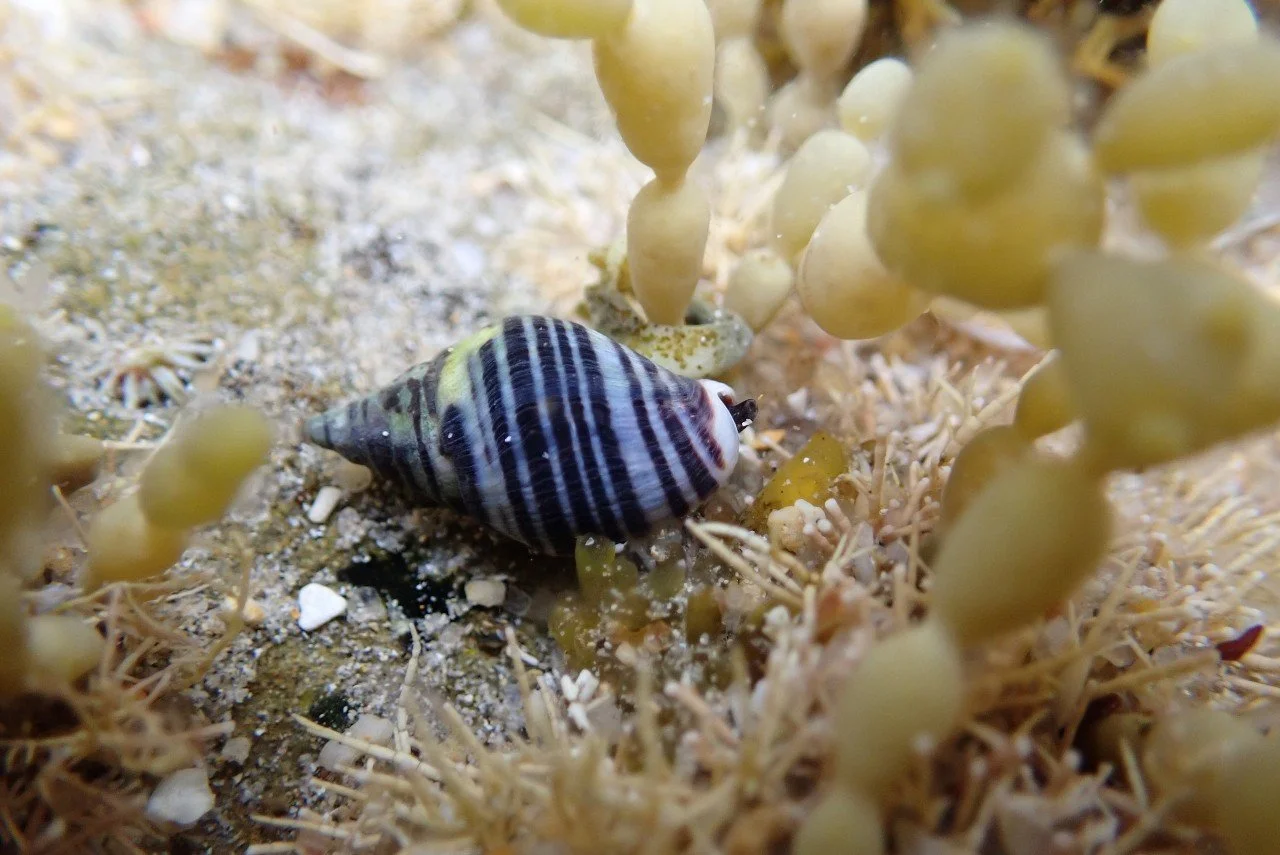
What we need now are the resources to move from monitoring to research - from watching, to understanding, to knowing what to do and how to do it.
〰 The community is ready.
〰 The relationships are built.
〰 The data is being collected.
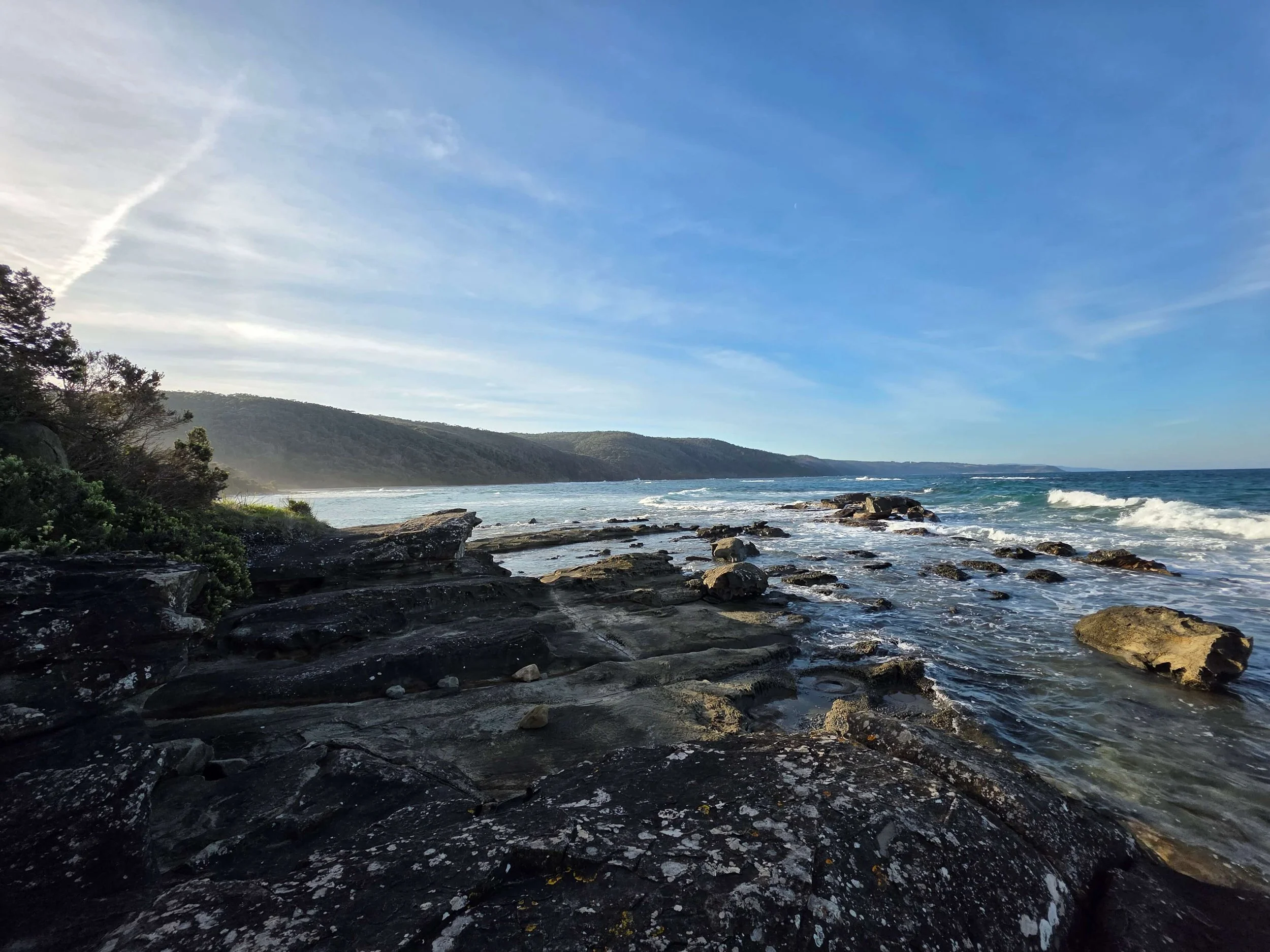
It is beautiful here. Spectacularly, almost heartbreakingly, beautiful.
And beauty can make us complacent - it can make us feel that something so magnificent must surely be looking after itself.
It cannot. No coastline can, anymore.
But it can be looked after - by the people who love it, who know it, and who are willing to keep doing so if we give them the tools and the standing to act.
That is what your gift makes possible.
Make a tax-deductible gift and help us move from monitoring to action for this coast, and the communities who care for it.
What your gift will do
Your donation this June will fund three things:
1. CEC-led data analysis and research design – our ecologists and citizen scientists, working with Eastern Maar Sea Country Guardians, will interrogate the monitoring data to identify knowledge gaps and determine where research effort is most needed. Led by the CEC in partnership with Eastern Maar Aboriginal Corporation, we will design the scientific research that needs to follow.
2. Targeted new research – using our monitoring data as a springboard to answer the questions that will directly inform management. The specific projects will take shape as capacity and partnerships allow, but the priorities our data is already pointing to include: the resilience of kelp forests to storm surges and warming waters; the ecology and habitat needs of the new breeding seal colony at Apollo Bay; the condition of freshwater eel populations in Otway coast waterways, where connections between rivers and sea are poorly understood; and the management of seagrass meadows in fragile coastal estuaries.
3. A model worth replicating – as government funding (and capacity) for compliance and monitoring shrinks in Victoria, someone must step in to watch over our marine life. We believe the long-lasting commitment can come from people who know these waters best. OMER is already showing that community-led monitoring works. This next phase will prove it at a scale for other regions to learn from and build on.
Every dollar you give is tax-deductible, and every dollar goes directly to this work.