Feral Pigs
Otways Landscape Programs > Invasive Species > Feral Pigs
Project Overview
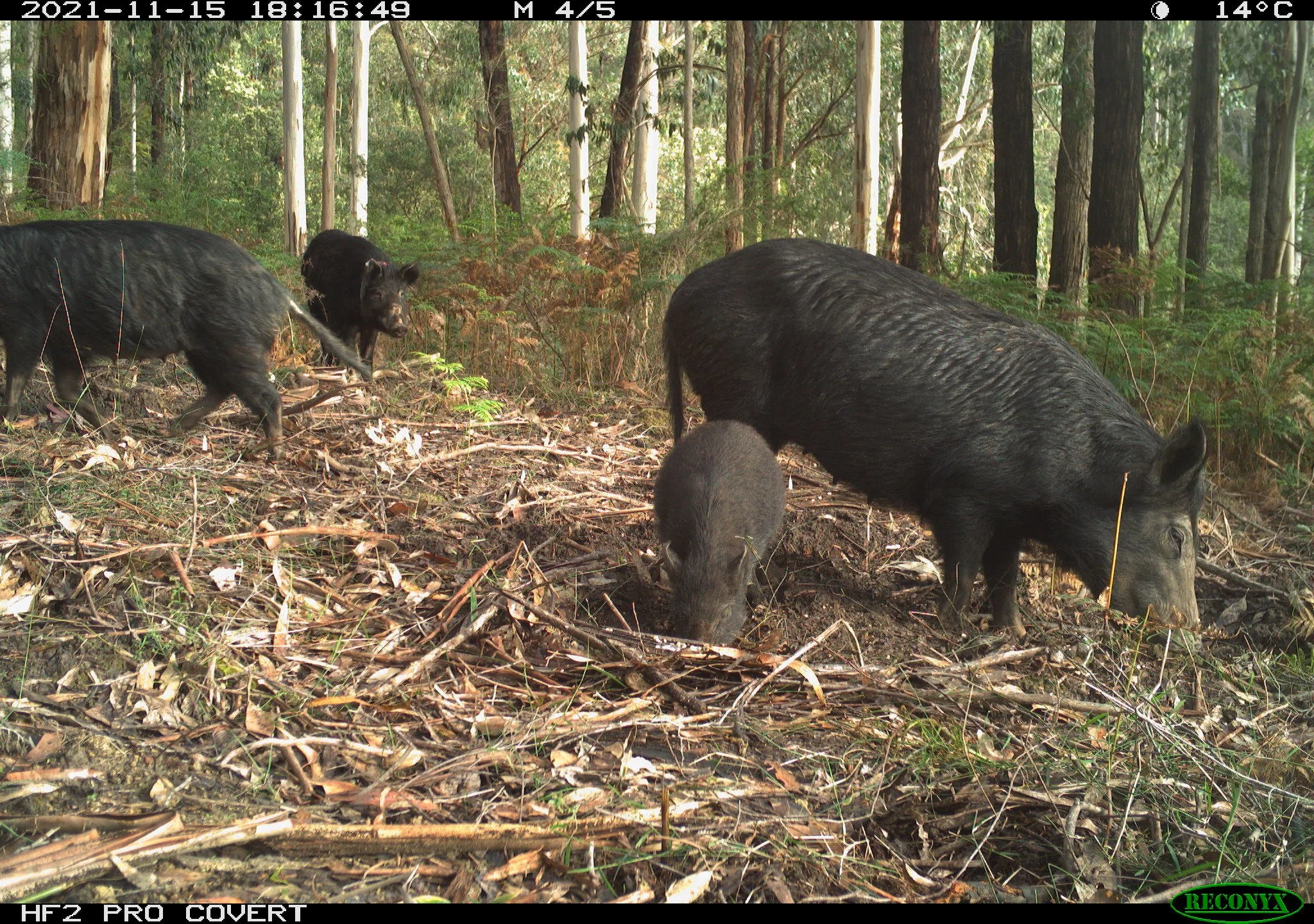
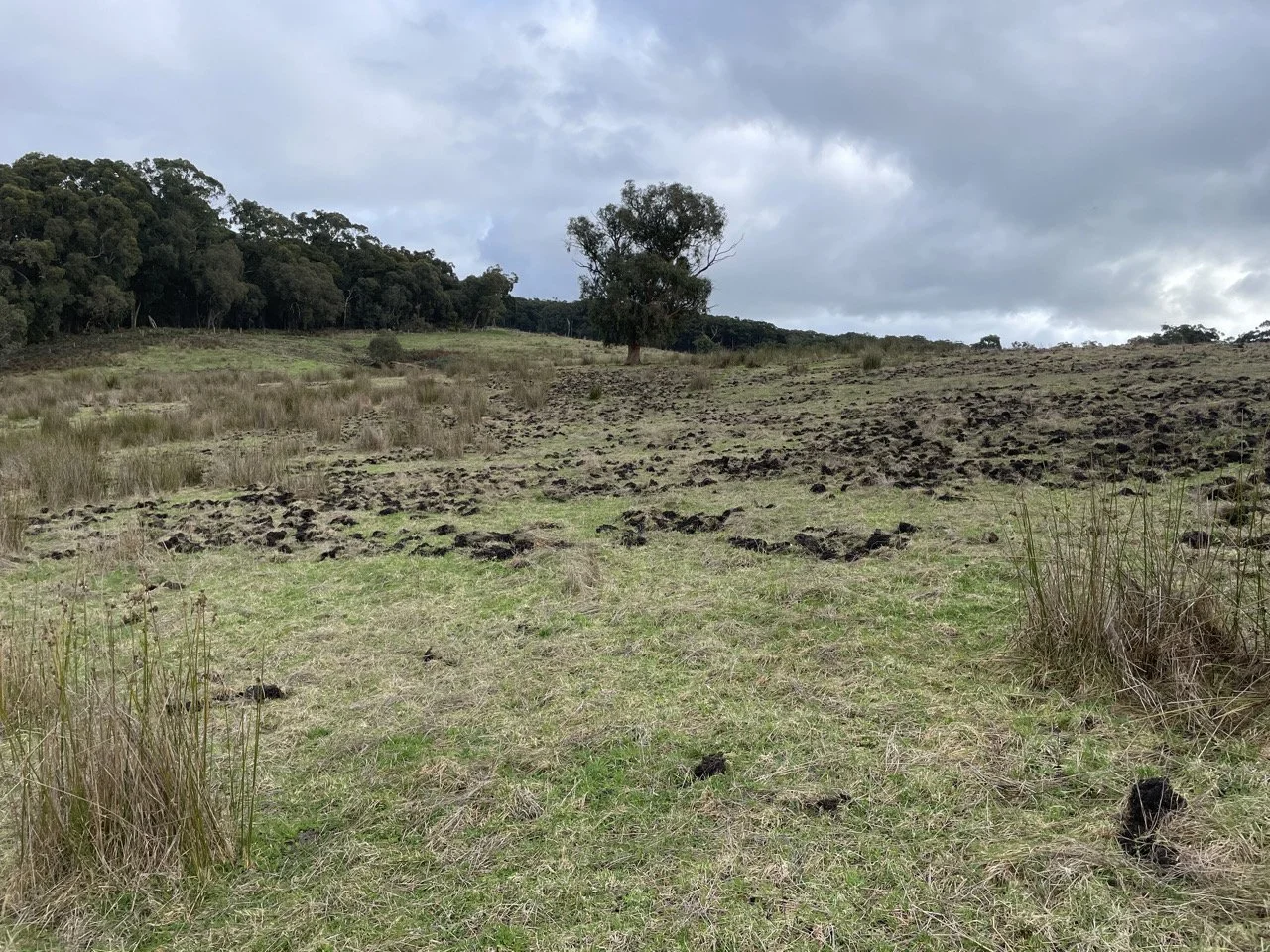
Feral pigs have been sighted in the Otways for decades; however, since 2017, a marked increase in feral pig activity had been observed, including both sightings and damage to farms and public land.
The presence of feral pigs in the Otways poses a real threat to these ecosystems and the threatened species that called the Otways home. However, as they were an emerging threat, we didn’t have a good understanding of how widespread they were, and how they were using the ecosystems in the Otways.
Since 2018, the Conservation Ecology Centre (CEC) has been using ecological methods combined with practical land management techniques to actively manage feral pig populations in the Otways.
Because feral pigs do not respect property boundaries, the CEC takes a whole-of-landscape, cross-tenure approach, working with National Parks, Forest Parks, private plantations, water authorities, and private landholders to deliver a coordinated, region-wide response.
The program is grounded in data and applied research, building a detailed understanding of pig behaviour, movement patterns, and impact hotspots to target control efforts effectively. It also incorporates social science to explore the human dimensions of the problem, such as attitudes toward control, the challenges of illegal releases, and barriers to reporting. These insights inform more targeted, effective, and community-informed management strategies.
The Otways model is also contributing to feral pig management capability nationwide, demonstrating how locally grounded, collaborative approaches can have far-reaching impact.
Tools and Techniques
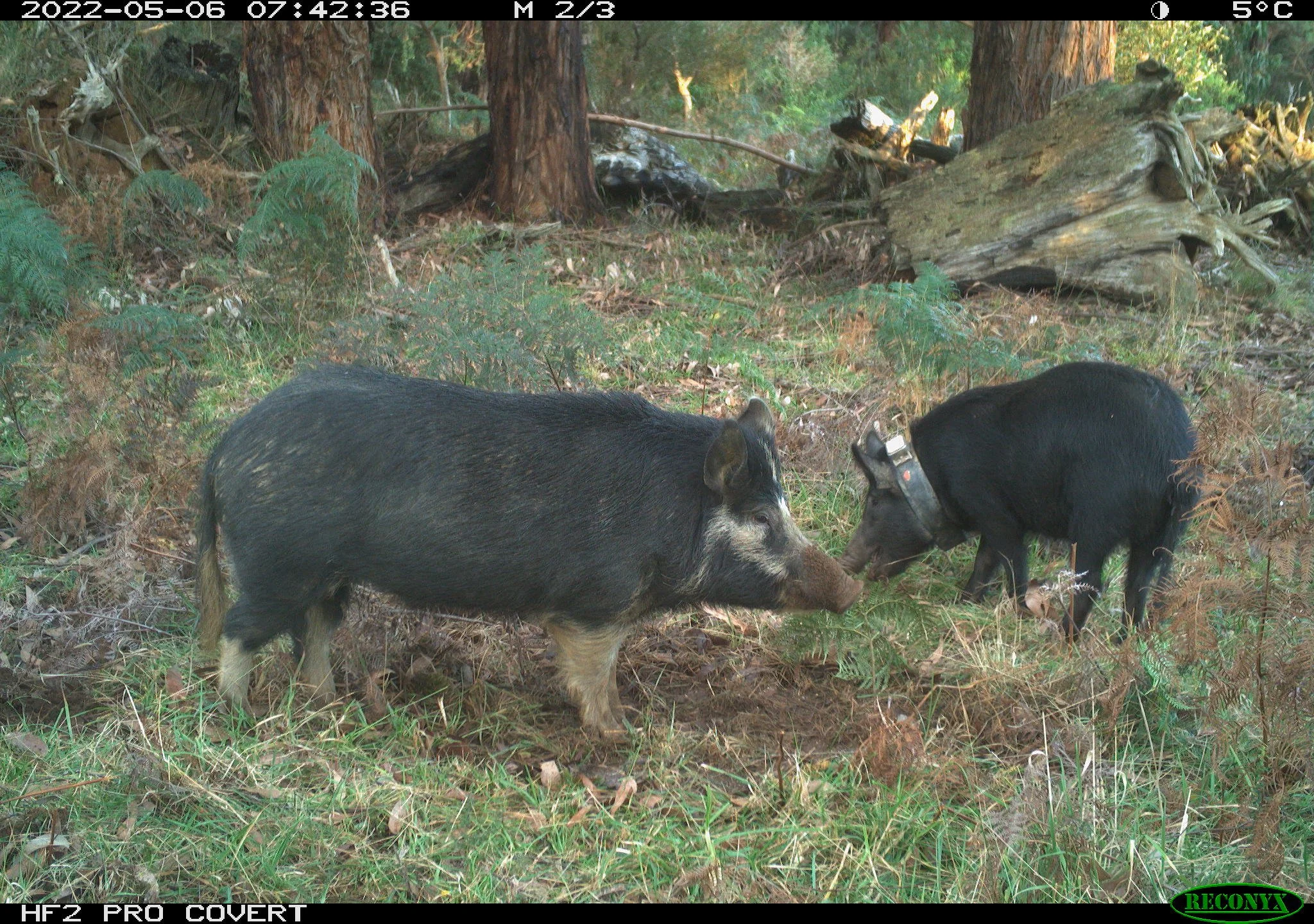
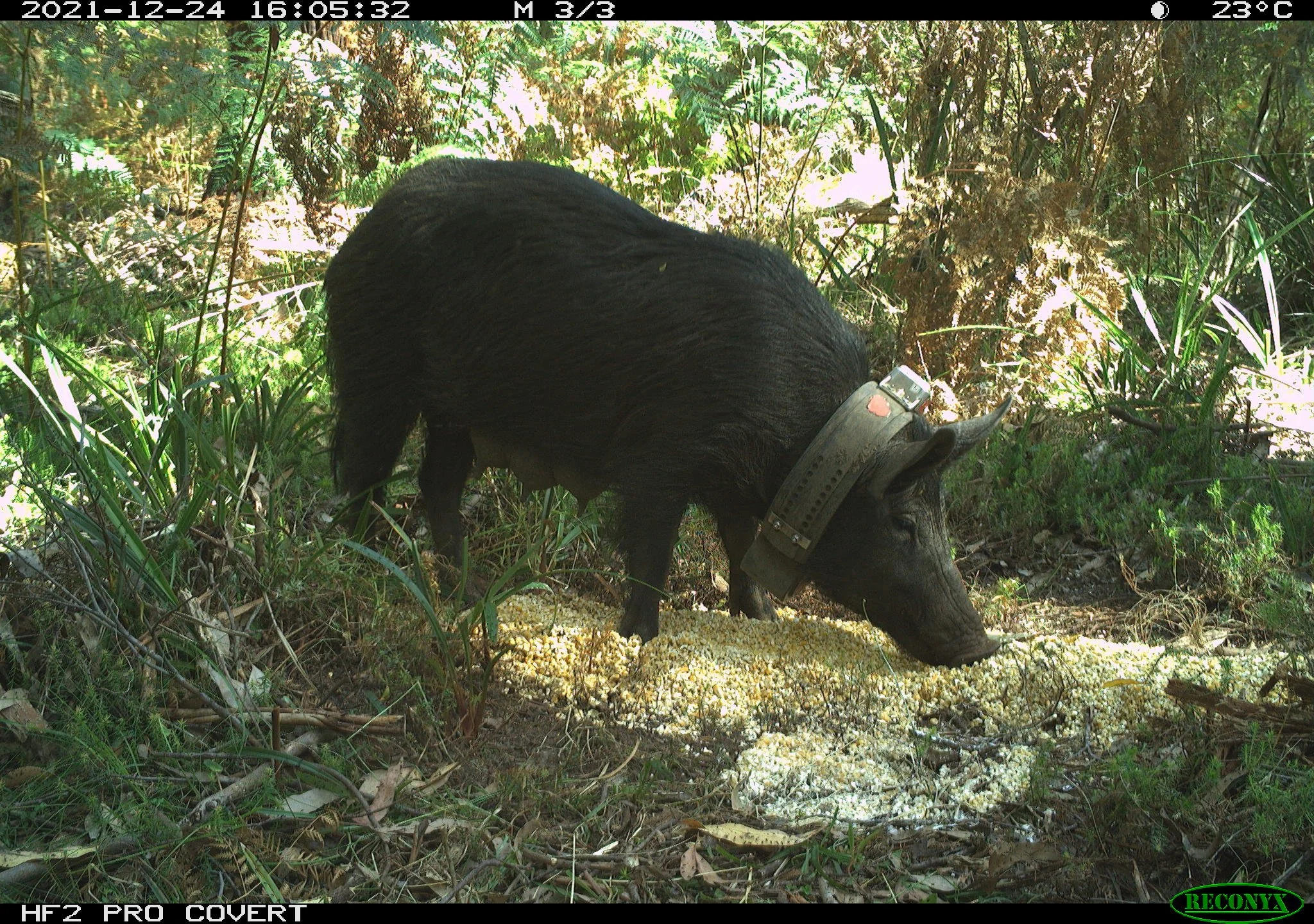
GPS tracking collars fitted to boars and sows to provide insight into movement, habitat use, and behaviour, helping identify where pigs are most active and where outlying populations may persist
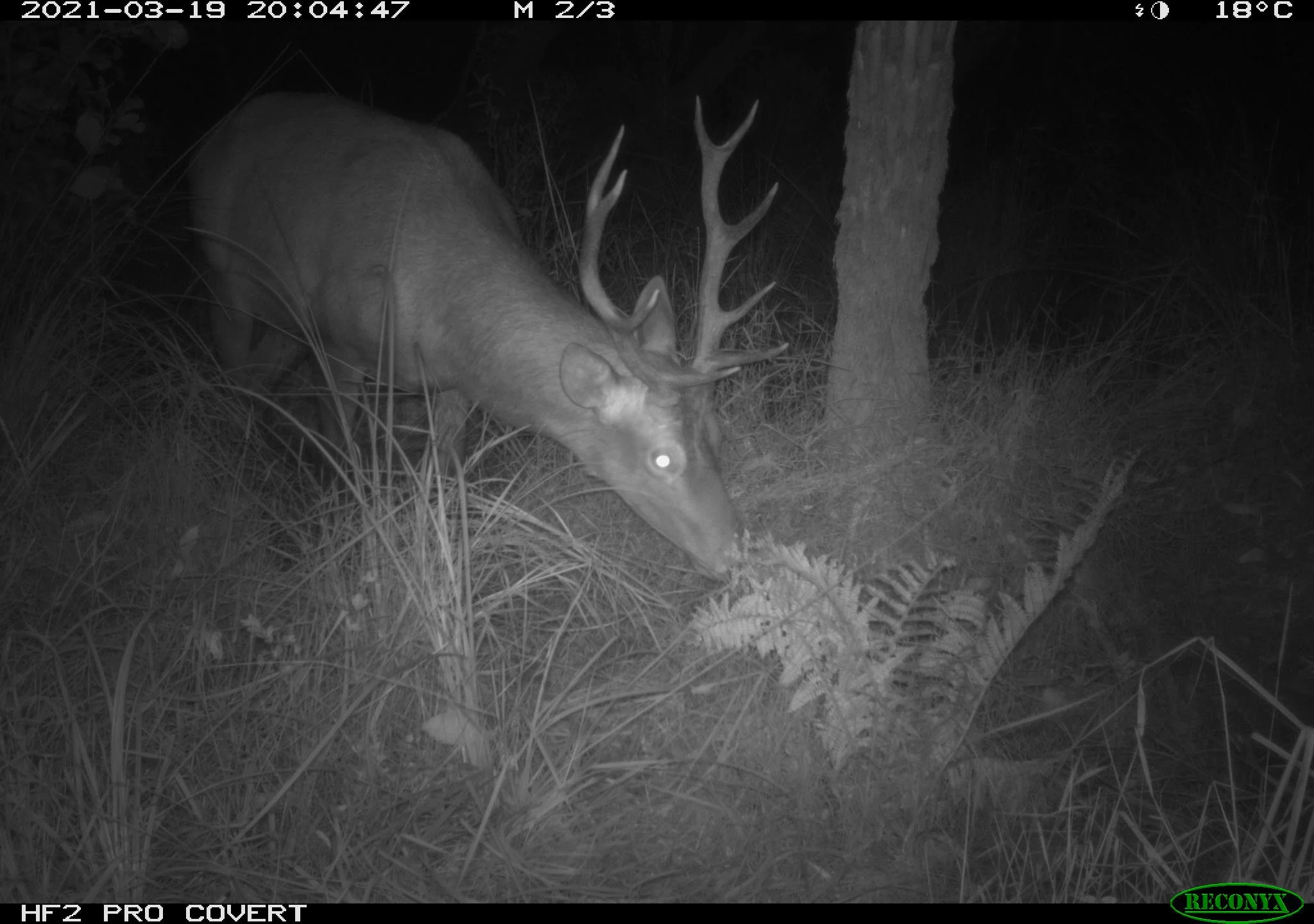
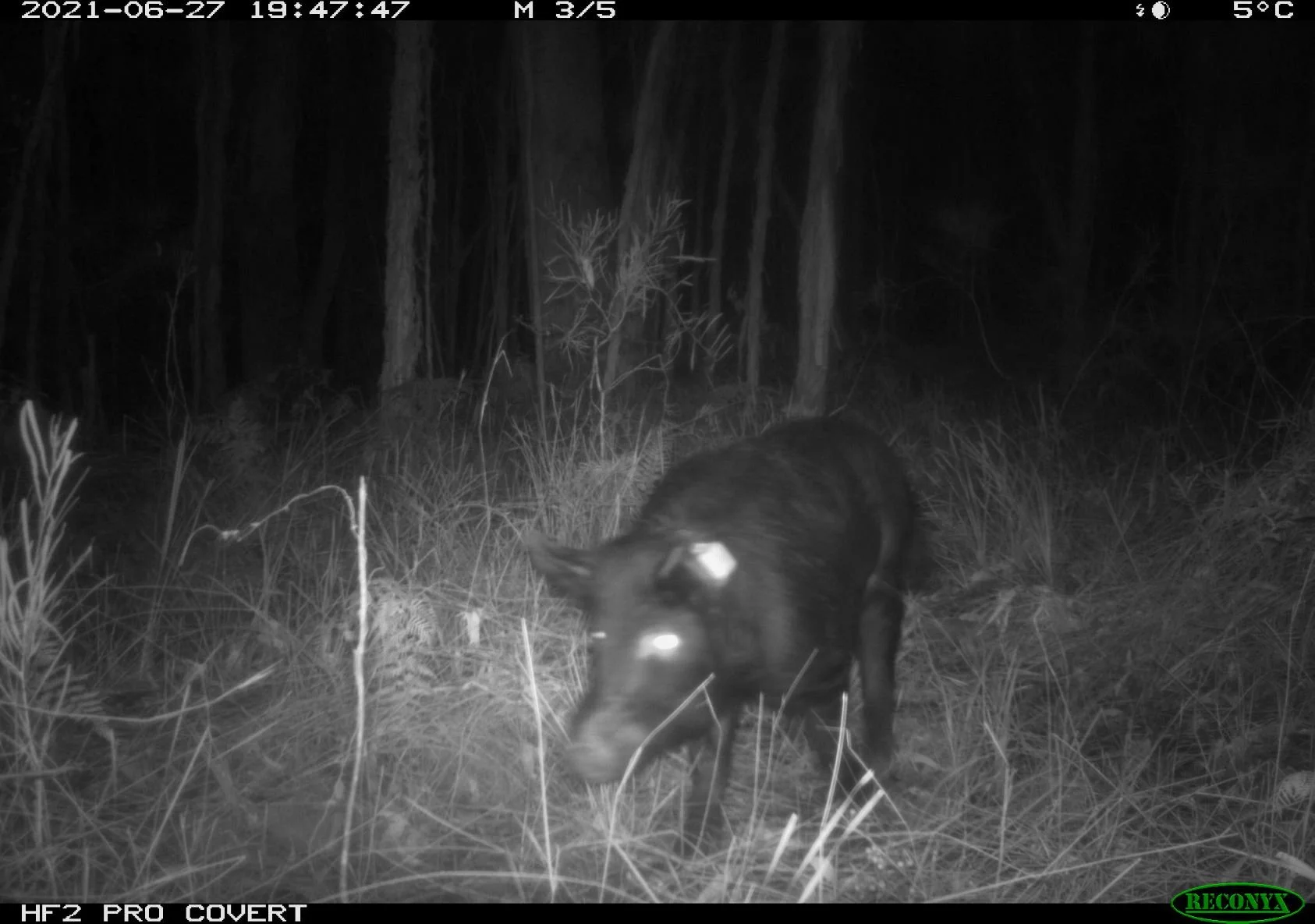
Camera grids deployed across key target areas to monitor activity, assess numbers, and target control efforts precisely, while also providing insight into other native and invasive species
Remotely operated cage traps, the primary management tool, using a fermented corn mixture as bait and livestream cameras so entire groups can be captured at once, avoiding the dispersal effect of methods like ground shooting
Sodium nitrite bait stations, used in remote areas where cage trapping is impractical, though less preferred due to reduced control and higher effort
We also trialled Environmental DNA (eDNA) analysis and aerial infrared surveys but their application was found to be limited.
From 2024 to 2027, the program has expanded with funding from The Ian Potter Foundation and the Agriculture Victoria: Partnerships Against Pests program. Current objectives include:
Growing knowledge of feral pig population size, distribution, and the illegal behaviours contributing to their spread within the Otway Ranges
Increasing land manager engagement with feral pig management, regionally and nationally
Raising awareness and building capacity for effective management through training events and educational materials
Significantly reducing feral pig distribution in the Otway Ranges, aiming for effective localised eradication as a demonstration of best practice for similar landscapes across Australia
Future Directions
At the heart of the project is the development of long-term strategies for effective feral pig control, supported by a sustainable surveillance network of land managers, community members, and agency partners. By investing in local capacity and knowledge-sharing, the project is helping build a regionally cohesive and enduring response.
To report sightings or damage caused by feral pigs, use the FeralScan app or contact the Conservation Ecology Centre directly.
News




Videos
Spot the Signs: How to Identify Feral Pig Activity
James Templeton, Conservation Project Manager, Conservation Ecology Centre
Conservation in Agriculture: protecting pasture and nature from feral pigs
Margie Drake, Black Angus Beef Farmer
James Templeton, Conservation Project Manager, Conservation Ecology Centre
Andy Gray, Facilitator, Central Otways Landcare Network
Navigating Complex Landscapes: multi-agency feral pig control across land tenure
Brigid Creasey, Water and Catchment Officer, Barwon Water
Michael Mackenzie, Park Ranger, Parks Victoria
James Templeton, Conservation Project Manager, Conservation Ecology Centre
Pig Brother: Expanding Monitoring, Management & Collaboration on Feral Pigs in the Otways
Otways Ecological Research Forum - 2025
James Templeton, Conservation Project Manager, Conservation Ecology Centre
Boaring into the Data - managing feral pigs in the Otways
Otways Ecological Research Forum - 2025
James Templeton, Conservation Project Manager, Conservation Ecology Centre
Unexpected Conservation Partners: tackling feral pigs together with forestry
Simon Poynton, Plantations Manager, Midway Forestry
James Templeton, Conservation Project Manager, Conservation Ecology Centre
People Power is Key to Effective Feral Pig Management
Otways Ecological Research Forum - 2025
Dr. Heather Channon, National Feral Pig Action Plan
Best Practice Feral Pig Management in the Otways
James Templeton, Conservation Project Manager, Conservation Ecology Centre
Socal Science Perspectives on Problematic Species
Otways Ecological Research Forum - 2025
Rebecca Tooheys, The University of Melbourne
Partners & Supporters
The program has received support from Parks Victoria and DEECA under the Biodiversity Response Planning and Protecting Biodiversity program, the Australian Government’s Wild Otways Initiative.
We gratefully acknowledge current funding from the Ian Potter Foundation and Agriculture Victoria’s Partnership Against Pests program.